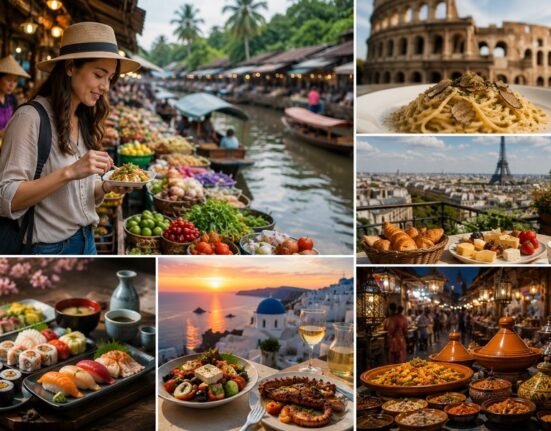
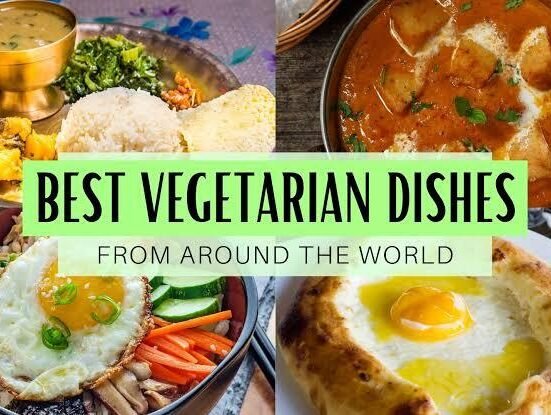
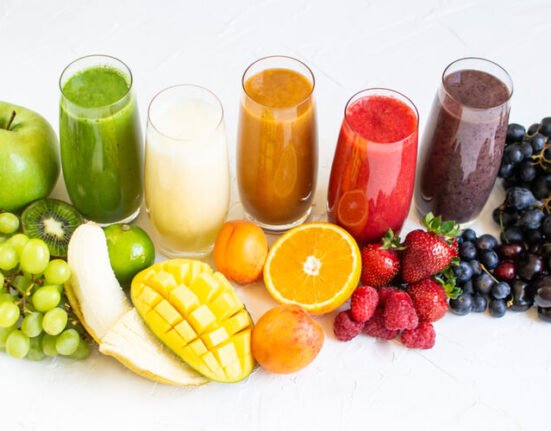
What if the secret to living a longer, healthier life wasn’t found in a pill, but on your plate? In regions known as Blue Zones, people live significantly longer than the global average—often well into their 90s and 100s, with remarkably low rates of chronic disease. These areas have been identified by National Geographic explorer and researcher Dan Buettner and include: Okinawa (Japan), Sardinia (Italy), Nicoya (Costa Rica), Icaria (Greece), and the Seventh-day Adventist community in Loma Linda, California.
What do these communities have in common? A strong sense of purpose, regular movement, close social ties—and most importantly, a unique approach to food. Let’s take a closer look at the diet that fuels some of the world’s longest-living people.
1. Plant-Based, Not Plant-Exclusive
Across all five Blue Zones, diets are primarily plant-based, consisting of whole, minimally processed foods. While not all residents are vegetarians or vegans, animal products are consumed sparingly—typically in small portions, and not every day.
Common staples include:

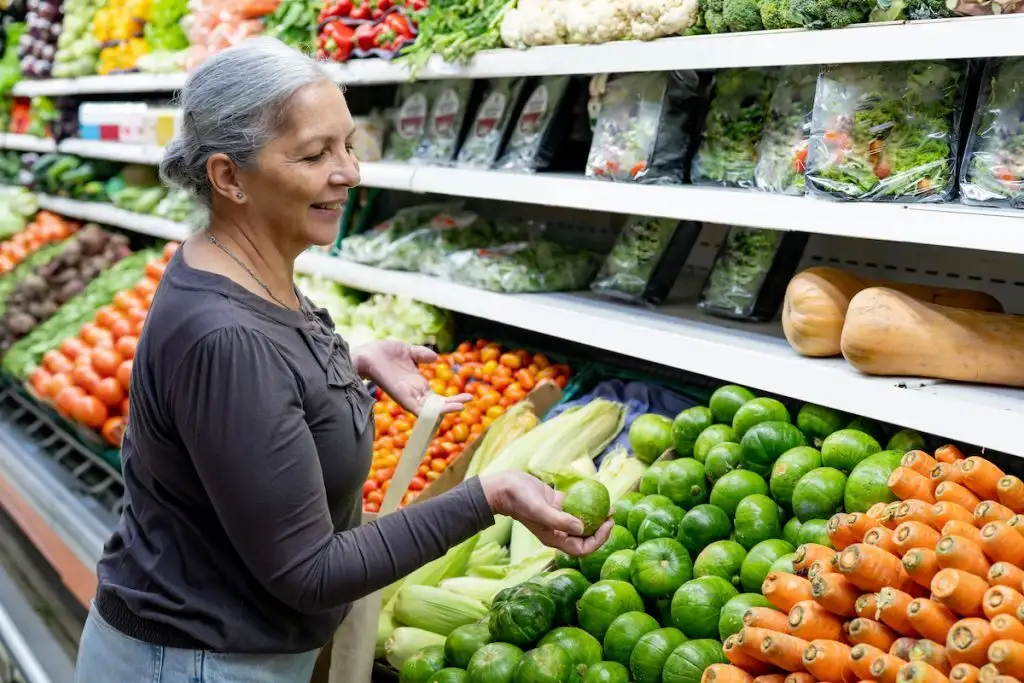
- Leafy greens
- Beans and legumes (like lentils, black beans, chickpeas)
- Whole grains (brown rice, oats, barley)
- Nuts and seeds
- Fresh fruits and vegetables
Legumes are particularly central to the Blue Zones diet. In Okinawa, for instance, residents eat soybeans and tofu, while in Nicoya, black beans are a daily staple. These foods are rich in fiber, protein, and antioxidants, promoting heart and digestive health.
2. Limited Meat and Dairy
In Blue Zones, meat is usually eaten only a few times a month, often as a side dish rather than a main course. When consumed, it’s typically locally raised and lean, such as free-range chicken or grass-fed pork.
Dairy consumption varies. For example:
- In Sardinia and Icaria, people enjoy goat and sheep’s milk cheeses, which are easier to digest and higher in certain nutrients than cow’s milk.
- In Okinawa, dairy is almost absent, replaced by calcium-rich plant foods like sweet potatoes and greens.
This moderate approach helps reduce risks associated with high saturated fat intake, which can contribute to heart disease and other chronic conditions.
3. Low Sugar, Low Processed Foods
Refined sugars and processed foods are nearly nonexistent in traditional Blue Zones diets. Sweets are reserved for special occasions, and sugary beverages are rarely consumed. Instead of sodas or energy drinks, people drink:
- Water
- Herbal teas
- Red wine (in moderation, especially in Sardinia and Icaria)
- Coffee (often black and unsweetened)
This dramatically lowers the risk of diabetes, obesity, and inflammation, which are often tied to modern processed food consumption.
4. Smaller Portions and Mindful Eating
In Okinawa, there’s a traditional saying: “Hara hachi bu,” which means “eat until you’re 80% full.” This practice prevents overeating and promotes a healthy weight. Blue Zones residents also eat their smallest meal in the late afternoon or early evening, avoiding late-night snacking.
Meals are eaten slowly and often with family or friends, reinforcing both digestive health and social connection—another key to longevity.

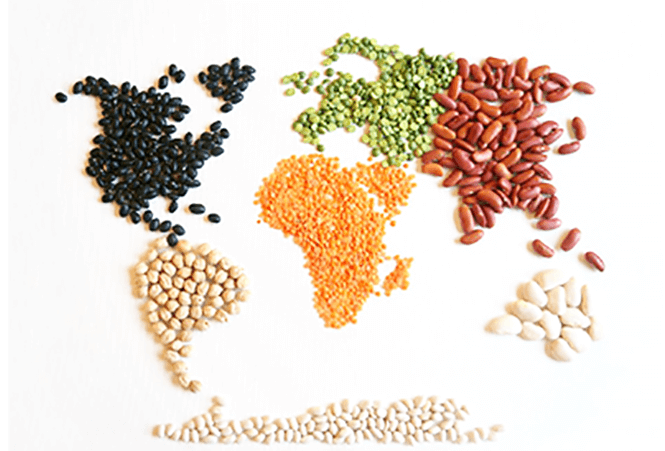
5. Local and Seasonal Eating
Blue Zones diets are deeply rooted in local agriculture and seasonality. People grow their own vegetables, buy from nearby markets, and eat what’s available based on the time of year. This means food is:
- Fresher
- Nutrient-dense
- Free from chemical preservatives
For example, Icaria’s residents grow herbs like oregano, mint, and rosemary, which are used both for flavor and medicinal benefits.
Conclusion
The diet of people in Blue Zones isn’t about counting calories or trendy superfoods. It’s about simplicity, tradition, and balance. By emphasizing whole plants, limiting processed foods and meat, eating mindfully, and staying connected to their communities, these populations enjoy long, vibrant lives.
If you’re looking for a sustainable and proven path to better health, the Blue Zones lifestyle offers timeless lessons—one meal at a time.
Let me know if you’d like this adapted into a meal plan or visual guide!