
Vitamin D plays a crucial role in supporting bone strength, immune health, mood balance, and overall well-being. Yet, many people struggle to maintain healthy vitamin D levels—even when they spend time outdoors or take supplements. The reason often lies not in intake, but in absorption. Your body’s ability to absorb and use vitamin D depends heavily on daily habits.
Here are four simple, science-backed lifestyle practices that can significantly improve how effectively your body absorbs vitamin D.
1. Pair Vitamin D With Healthy Fats
Vitamin D is a fat-soluble vitamin, which means your body absorbs it more efficiently when consumed alongside dietary fats. Without enough healthy fat in your diet, much of the vitamin D you consume—whether from food or supplements—may not be fully utilized.

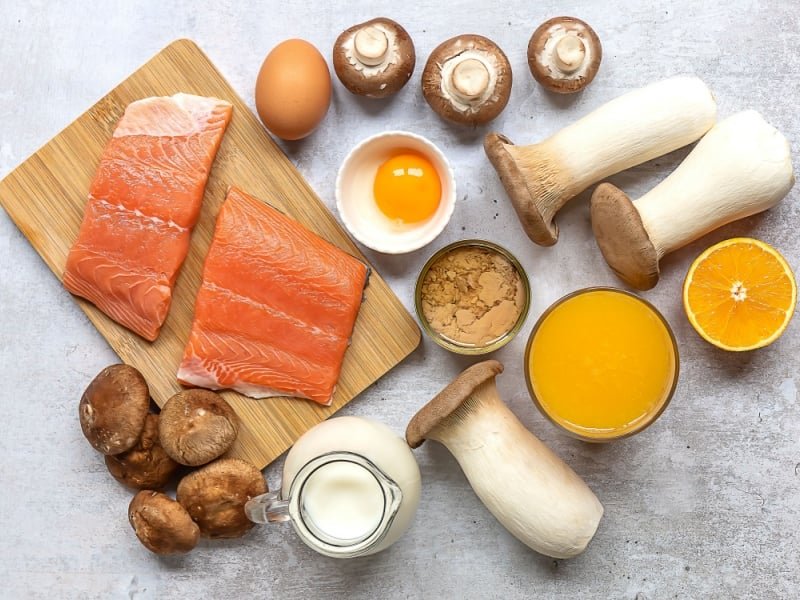
Including sources such as avocados, nuts, seeds, olive oil, and fatty fish can make a noticeable difference. Even small additions, like cooking vegetables in olive oil or adding seeds to meals, can help optimize absorption. This habit is especially important for individuals following low-fat diets, where vitamin absorption may be unintentionally compromised.
2. Get Smart Sun Exposure
Sunlight remains one of the most effective ways for the body to produce vitamin D naturally. When your skin is exposed to sunlight, it synthesizes vitamin D through a natural process. However, not all sun exposure is equally effective.
Spending short periods outdoors with uncovered arms or legs—while being mindful of skin protection—is often more beneficial than extended exposure through clothing or glass. Midday sunlight tends to be more effective for vitamin D synthesis, though individual needs vary based on location, season, and skin tone.
Balancing sun exposure with skin safety is key. Even brief, consistent exposure can support vitamin D levels when done regularly.
3. Maintain a Healthy Gut
Your gut health plays a surprisingly important role in vitamin D absorption. Since vitamin D is absorbed through the digestive system, a well-functioning gut helps ensure that nutrients are efficiently processed and delivered throughout the body.
A diet rich in fiber, fermented foods, and whole ingredients supports beneficial gut bacteria. Foods like yogurt, kefir, sauerkraut, and fiber-rich vegetables help maintain digestive balance. When gut health is compromised, nutrient absorption—including vitamin D—can be reduced, even with adequate intake.
Staying hydrated and managing stress also contribute to gut health, indirectly supporting better nutrient absorption.
4. Support Magnesium Levels
Magnesium is an essential mineral that helps activate vitamin D in the body. Without sufficient magnesium, vitamin D may remain inactive and less effective, regardless of how much you consume.
Magnesium supports the enzymes that convert vitamin D into its usable form. Foods such as leafy greens, whole grains, nuts, seeds, and legumes naturally provide magnesium and complement vitamin D absorption. Ensuring a balanced intake of both nutrients allows the body to use vitamin D more efficiently.
This connection highlights the importance of looking at nutrition holistically rather than focusing on one nutrient in isolation.
Why Absorption Matters More Than Intake
Many people assume that simply increasing vitamin D intake will solve deficiencies. However, absorption and activation are just as important as consumption. Lifestyle factors, dietary balance, and internal health all influence how much vitamin D your body can actually use.

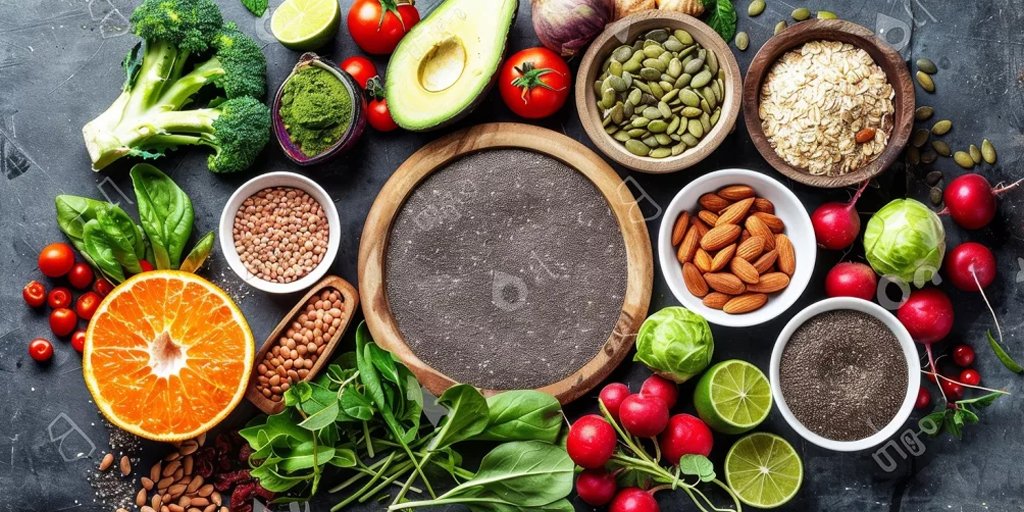
Improving absorption doesn’t require drastic changes. Small, consistent habits—such as pairing meals wisely, supporting gut health, and spending mindful time outdoors—can make a meaningful difference over time.
Final Thoughts
Vitamin D is essential, but your body’s ability to absorb and activate it determines its true impact. By incorporating healthy fats, managing sun exposure wisely, supporting digestive health, and maintaining adequate magnesium levels, you can naturally enhance vitamin D absorption.
Rather than relying on quick fixes, focus on sustainable habits that work together. When your lifestyle supports absorption, your body can make the most of this vital nutrient—helping you feel stronger, healthier, and more balanced every day.