A few years ago, the term biohacking lived on the fringes of wellness culture—spoken quietly in niche podcasts, late-night Reddit threads, and Silicon Valley conferences. Today, it has stepped boldly into the spotlight, thanks to mainstream fitness influencers who have adopted (and enthusiastically marketed) a new wave of science-driven, data-heavy routines aimed at upgrading the body like a piece of software. Their millions of followers are now watching, experimenting, and asking: What if peak performance is no longer just about exercise—it’s about optimization?
From Fitness to Performance Science
What’s fueling the shift? Influencers say traditional workouts alone no longer satisfy an audience hungry for efficiency, longevity, and measurable results. Viewers want more than reps—they want insights, biometrics, and evidence-based habits. As a result, fitness creators have begun integrating biohacking rituals into their daily content: tracking glucose, monitoring sleep cycles, fine-tuning hormones, experimenting with cold exposure, and adjusting nutrition in ways once reserved for elite athletes.

This merging of fitness inspiration and quantified-self experimentation has created a new hybrid identity: the performance influencer. Their routines aren’t just about looking good. They’re about functioning at a higher level.
The Rise of Data-Driven Fitness
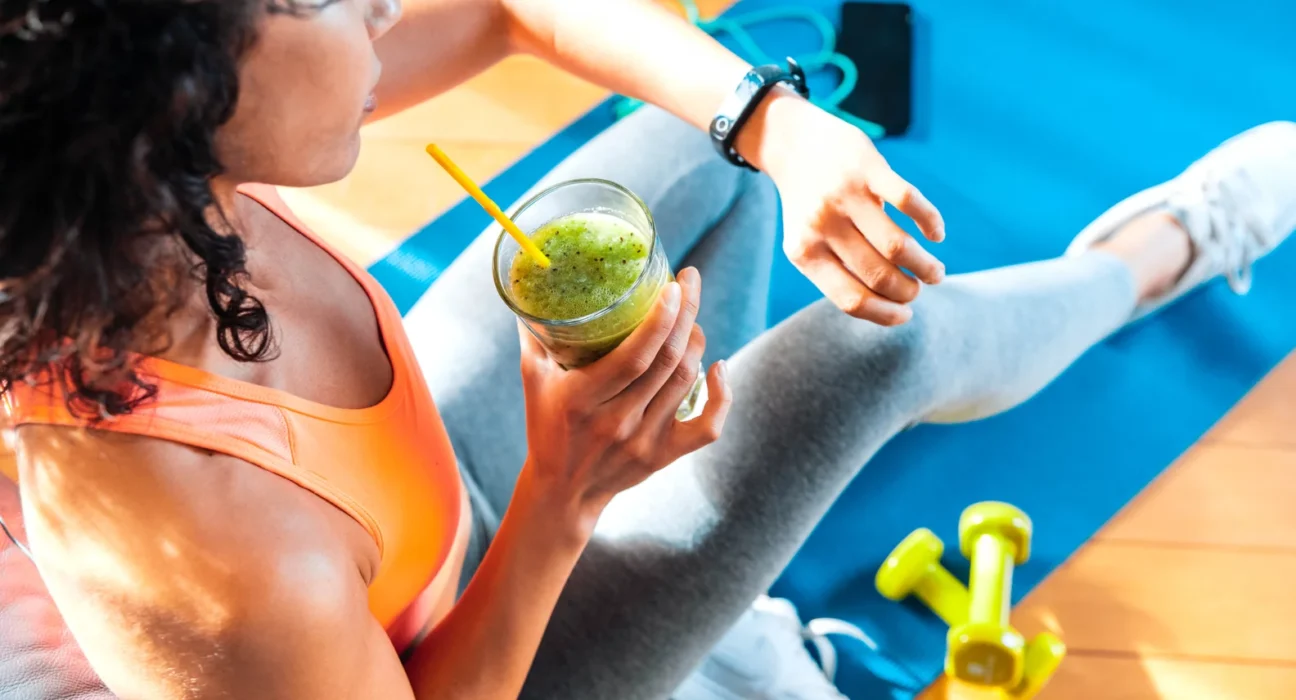
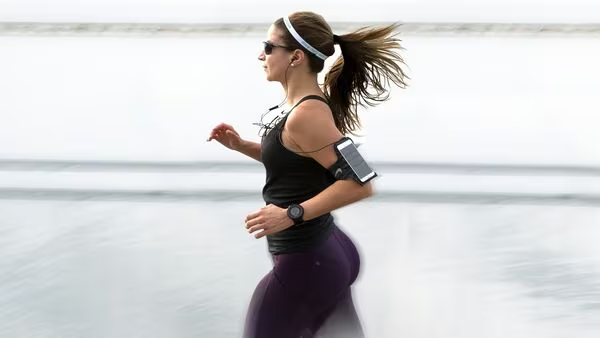
One of the most visible shifts is the adoption of wearables and biomarker tracking tools. Influencers now post their real-time heart rate variability, sleep zones, and continuous glucose monitor (CGM) graphs like digital trophies. These devices allow them to narrate their day with scientific detail—why they fasted until noon, how an evening workout spiked their cortisol, or which supplement flattened their glucose curve after a carb-heavy meal.
Followers love this transparency because it replaces guesswork with quantifiable cause-and-effect. The appeal isn’t just copy this workout, but copy this protocol backed by my data.
Cold Exposure: The Icy Trend That Won’t Melt
Cold plunges have become a symbol of modern biohacking—so popular that influencers now film dramatic sunrise immersions, complete with timers, breathing rituals, and a motivational speech. The draw? Claims of improved recovery, reduced inflammation, sharper focus, and dopamine surges.
While some see it as a fad, others argue that cold exposure’s psychological effects—mental resilience, stress adaptation, and a sense of accomplishment—explain its popularity. Influencers have turned this into a compelling content formula: discomfort + benefits + aesthetics = viral biohacking.
Intermittent Fasting Makes a Comeback
Intermittent fasting (IF) is not new. But in 2025, influencers are approaching it with more nuance and personalization. Many now pair fasting windows with biometric data, adjusting their eating schedules based on sleep quality, training intensity, and glucose response.
Long gone are the days of “16:8 is for everyone.” Instead, influencers promote flexible fasting protocols—some choosing circadian-aligned eating, others using short fasts for metabolic resets. The modern narrative is less rigid and more responsive to individual physiology.
Micro-Supplementation: Tiny Doses, Big Claims
Another trend sweeping through fitness pages is micro-dosing supplements—not psychedelics, but nutrients such as magnesium, glycine, creatine, electrolytes, and nootropics. Influencers highlight how tiny, frequent doses can “smooth out energy,” enhance recovery, or improve focus throughout the day.
Mini-hydration packets, micro-creatine shots, and functional gummies have become content staples. Brand partnerships naturally follow, turning these routines into a growing commercial ecosystem.
Red Light Therapy and Recovery Tech
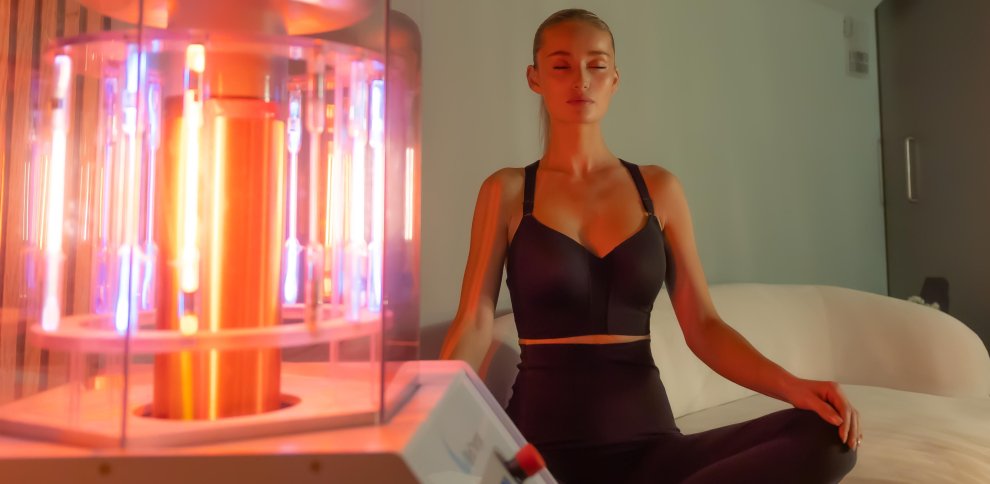
Red light panels now glow in the backgrounds of influencer homes like futuristic décor. Paired with massage guns, vibration plates, and infrared saunas, recovery tech has become a cornerstone of biohacking-inspired fitness routines.

Creators say these tools accelerate healing, boost circulation, and help manage chronic soreness from heavy training schedules. Critics argue the evidence is mixed, but audiences remain captivated by the sleek visuals and promises of effortless recovery.
The Mindset Shift: Fitness as Self-Experimentation
One of the more powerful impacts of this movement is the shift in philosophy: fitness is no longer just physical—it’s experimental. Influencers encourage followers to think like scientists, test variables, and track progress through more than mirror selfies.
This mindset empowers people to understand their bodies in deeper ways, but it also raises important questions about sustainability, accessibility, and the pressure to constantly optimize.
The Future of Mainstream Biohacking
As biohacking crosses from niche culture into everyday fitness, the trend is likely to evolve toward more personalized, less extreme methods. We may see more AI-driven habit recommendations, genetic-based training plans, and influencer-led longevity challenges.
For now, biohacking remains a blend of science, curiosity, discipline, and digital storytelling—and influencers are shaping how millions approach wellness in 2025.