In today’s technology-driven era, software plays a crucial role in almost every aspect of our lives. From smartphones and laptops to businesses and global systems, software is the backbone that keeps everything running smoothly.
As we move further into 2026, software continues to evolve rapidly—making tasks easier, faster, and more efficient than ever before.
What is Software?
Software refers to a set of programs and applications that enable devices to perform specific tasks. Unlike hardware, which is physical, software is intangible and operates behind the scenes.
There are two main types of software:
- System Software: Includes operating systems that manage hardware and basic functions
- Application Software: Includes apps and tools used for specific tasks like writing, designing, or communication
Both types work together to create a seamless digital experience.
Why Software is More Important Than Ever


Software is now deeply integrated into everyday life. It helps individuals and businesses:
- Automate repetitive tasks
- Improve productivity and efficiency
- Store and manage data securely
- Communicate and collaborate globally
Without software, modern digital systems simply wouldn’t function.
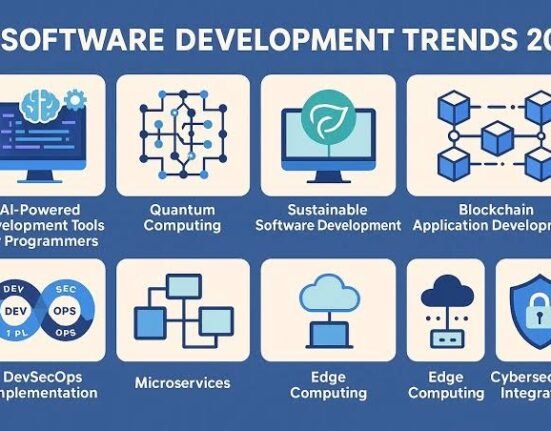
Key Trends in Software Development
1. Cloud-Based Solutions
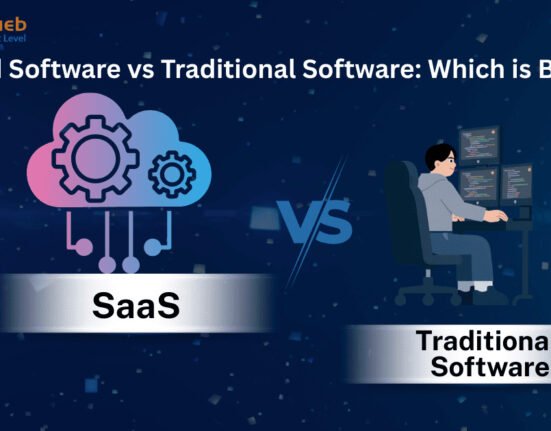
Cloud software allows users to access applications from anywhere without needing installation. It offers flexibility and scalability.
2. Artificial Intelligence Integration
AI-powered software can analyze data, automate decisions, and provide personalized experiences.
3. Low-Code & No-Code Platforms
These tools allow users to build applications with minimal coding knowledge, making development more accessible.
4. Cybersecurity Focus
With increasing digital threats, software security has become a top priority for developers and businesses.
5. Remote Work Tools
Software designed for collaboration, communication, and project management continues to grow in demand.
Benefits of Using Modern Software
Modern software solutions offer numerous advantages:
- Efficiency: Automates tasks and reduces manual work
- Accuracy: Minimizes human errors
- Accessibility: Enables work from anywhere
- Scalability: Grows with business needs
- Cost-Effectiveness: Reduces operational costs over time
These benefits make software essential for both personal and professional use.
Challenges in the Software World
Despite its advantages, software also comes with challenges:


- Compatibility issues between systems
- Data privacy concerns
- Frequent updates and maintenance
- Learning curves for new tools
Understanding these challenges helps users make better choices and use software effectively.
Tips for Choosing the Right Software
Selecting the right software can make a big difference. Here are some tips:
- Identify your specific needs
- Compare features and pricing
- Check user reviews and ratings
- Ensure security and reliability
- Look for good customer support
Choosing wisely ensures you get the best value and performance.
The Future of Software
The future of software looks promising, with innovations focusing on:
- Smarter automation
- More personalized user experiences
- Seamless integration across devices
- Increased focus on privacy and security
Software will continue to shape how we work, communicate, and live.