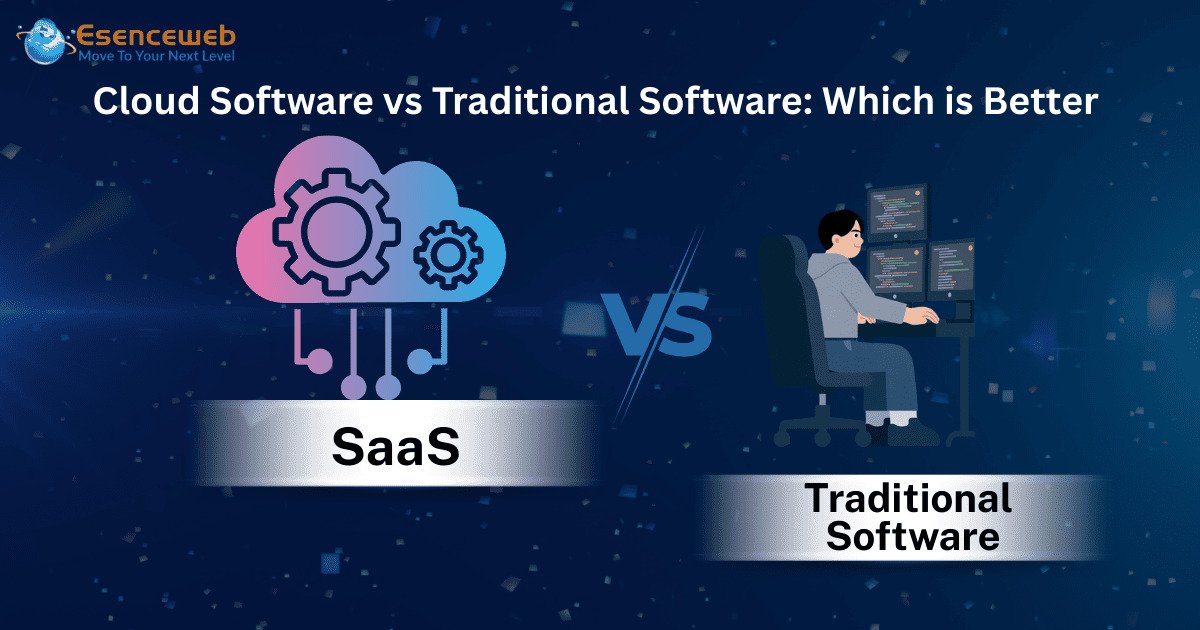
Software has become an essential part of how people work, communicate, manage information, and run businesses. However, not all software works in the same way. Two common approaches are cloud software and traditional software, also known as on-premise or locally installed software. Understanding the difference can help individuals and businesses choose a solution that fits their needs.
While traditional software has been around for decades, cloud-based software has become increasingly popular because of its flexibility, accessibility, and scalability.
What Is Traditional Software?
Traditional software is typically installed directly on a computer or hosted on servers owned and managed by an organization. Users generally access the software from specific devices where it has been installed or through an internal network.

Businesses using traditional software may need to purchase licenses, maintain servers, install updates, and manage security themselves. This approach can provide organizations with significant control over their systems and data.
However, it can also require more technical resources and upfront investment, particularly when a company needs dedicated hardware or an in-house IT team.
What Is Cloud Software?
Cloud software runs on remote servers and is accessed through an internet connection, often using a web browser or dedicated application. Instead of installing and maintaining everything locally, users can access the software and their data through the cloud.
Cloud-based solutions are commonly offered through subscription models. The provider generally manages infrastructure, software updates, maintenance, and many aspects of security.
This makes cloud software particularly attractive to businesses that want to reduce the burden of managing their own IT infrastructure.
Accessibility and Flexibility
One of the biggest differences between the two approaches is accessibility.
Traditional software may be limited to specific computers or networks, depending on how it has been configured. Cloud software, on the other hand, can typically be accessed from multiple compatible devices as long as users have an internet connection and the necessary permissions.


This flexibility can be especially useful for remote and hybrid teams. Employees can access shared applications and information while working from different locations.
Cost Considerations
Traditional software can involve significant upfront costs, including licenses, hardware, installation, and maintenance. Businesses may also need to budget for future upgrades and technical support.
Cloud software often uses a subscription-based pricing model. This can reduce initial costs and make expenses more predictable, although ongoing subscription fees can add up over time.
The better option depends on the organization’s budget, size, usage requirements, and long-term plans.
Updates and Maintenance
With traditional software, organizations may be responsible for installing updates, maintaining hardware, and addressing technical issues.
Cloud software generally simplifies this process because updates and maintenance are often handled by the service provider. Users can therefore spend less time managing infrastructure and more time using the software for their actual work.
Security and Control
Security is another important consideration. Traditional software can give organizations greater direct control over their systems and data, but that also means they are responsible for implementing and maintaining appropriate security measures.
Cloud providers typically invest in infrastructure, security controls, backups, and monitoring. However, businesses still need to manage user permissions, passwords, access policies, and other security responsibilities.
Which One Should You Choose?
There is no universal answer. Traditional software may be suitable for organizations that require extensive control over infrastructure, have specialized technical requirements, or need systems to operate within a controlled environment.
Cloud software can be a strong choice for businesses that value flexibility, remote access, easier maintenance, and scalable solutions.
Final Thoughts
The difference between cloud software and traditional software largely comes down to where the software and data are hosted, how they are accessed, and who manages the underlying infrastructure.
As businesses increasingly adopt flexible and digital-first working models, cloud software continues to gain popularity. However, traditional software still has an important role in situations where control, customization, or specific infrastructure requirements are priorities. The right choice ultimately depends on your organization’s goals, resources, and technology needs.