Software is evolving faster than ever, influencing how businesses operate, how people work, and how digital services are delivered. New technologies are making software more intelligent, connected, flexible, and accessible. From artificial intelligence to cloud computing and automation, these developments are shaping the future of the digital world.
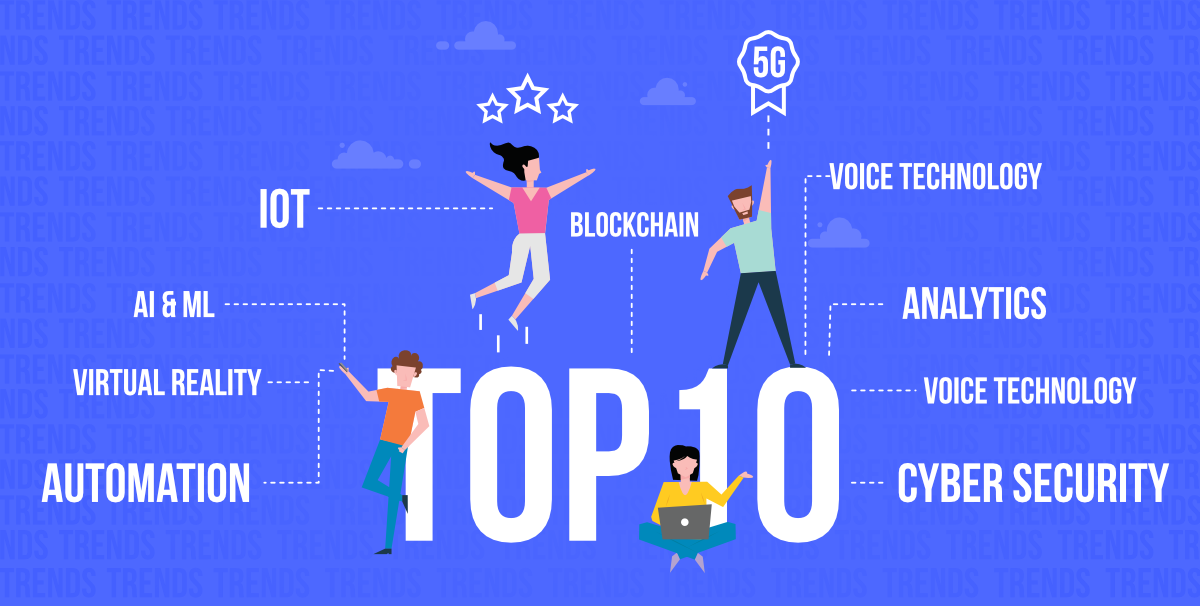
Here are ten software trends that are having a significant impact on businesses and everyday technology.
1. Artificial Intelligence and Generative AI
Artificial intelligence is one of the biggest forces transforming software. AI-powered applications can help users analyze information, generate content, automate repetitive tasks, and make faster decisions. Generative AI is also being integrated into everyday software, making applications more capable of assisting users rather than simply following predefined commands.
2. Cloud-Based Software
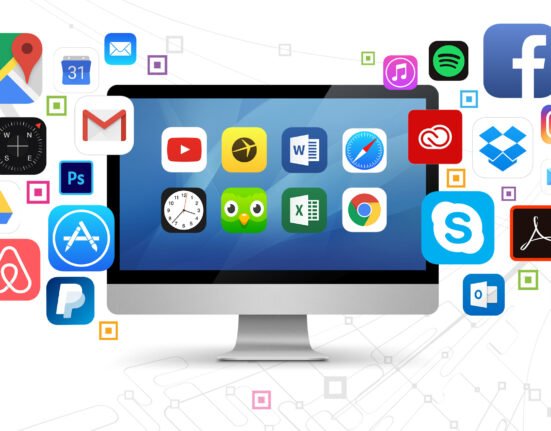
Cloud software allows users to access applications and data through the internet instead of relying entirely on local devices or servers. This makes software more flexible and accessible, particularly for businesses with remote and hybrid teams.

Cloud platforms can also make it easier for organizations to scale their technology as their needs change.
3. Low-Code and No-Code Development
Low-code and no-code platforms are making software development more accessible. Instead of requiring extensive programming knowledge, these tools allow users to create applications using visual interfaces and pre-built components.
This can help businesses develop simple internal tools and automate workflows without relying entirely on professional developers.
4. Automation
Software automation is becoming increasingly common across industries. Businesses can automate repetitive processes such as data entry, reporting, scheduling, notifications, and customer communications.
By reducing manual work, automation can allow employees to spend more time on activities that require creativity, judgment, and strategic thinking.
5. Cybersecurity Software
As organizations become more dependent on digital systems, cybersecurity has become a major priority. Modern security software is increasingly using technologies such as AI, behavioral analysis, and automated threat detection to identify suspicious activity.
Businesses are also placing greater emphasis on protecting sensitive information and controlling access to digital systems.
6. Software-as-a-Service
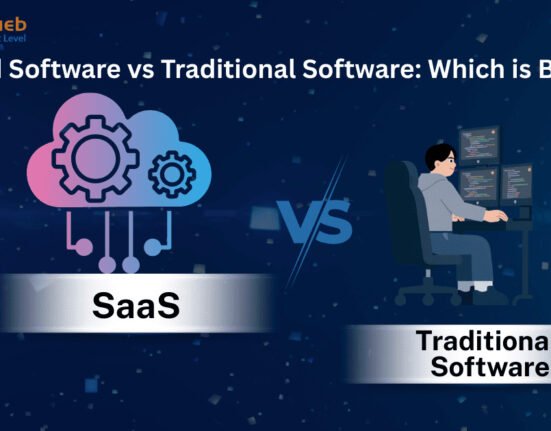
Software-as-a-Service, commonly known as SaaS, has changed how businesses access and pay for software. Instead of purchasing and installing software permanently, users can access applications through subscription-based services.


This model can make advanced software more accessible while allowing businesses to adjust their plans as their requirements change.
7. Data-Driven Software
Organizations are generating enormous amounts of digital information, increasing the demand for software that can turn data into useful insights. Analytics and business intelligence platforms help companies identify trends, measure performance, and support decision-making.
As data becomes increasingly valuable, software that can organize and interpret information will continue to play an important role.
8. Internet of Things Integration
The Internet of Things connects physical devices to digital systems, allowing them to collect and exchange information. Software plays a crucial role in managing these connected devices.
From smart homes and wearable technology to connected manufacturing equipment, IoT software is helping create more responsive and automated environments.
9. Personalization
Users increasingly expect digital experiences to feel relevant to their individual needs. Software is responding through personalized recommendations, interfaces, notifications, and content.
By analyzing user preferences and behavior, applications can provide more customized experiences while helping businesses better understand their customers.
10. Edge Computing
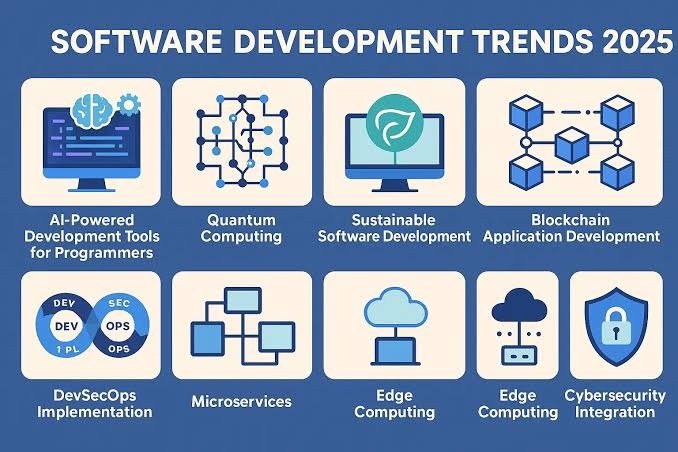
Edge computing brings data processing closer to the devices and systems generating that data. Instead of sending everything to a centralized cloud environment, some information can be processed closer to where it is created.
This can help reduce delays and support applications that require faster responses, particularly in areas such as connected devices, industrial systems, and real-time services.
Final Thoughts
The software industry is moving toward solutions that are smarter, more automated, flexible, and connected. AI, cloud computing, cybersecurity, automation, and data analytics are just some of the technologies influencing this transformation.
For businesses, keeping track of these trends can help identify opportunities to improve efficiency and stay competitive. For individuals, understanding how software is evolving can provide a better perspective on the digital tools shaping everyday life. As technology continues to advance, software will remain one of the key drivers of digital transformation.