

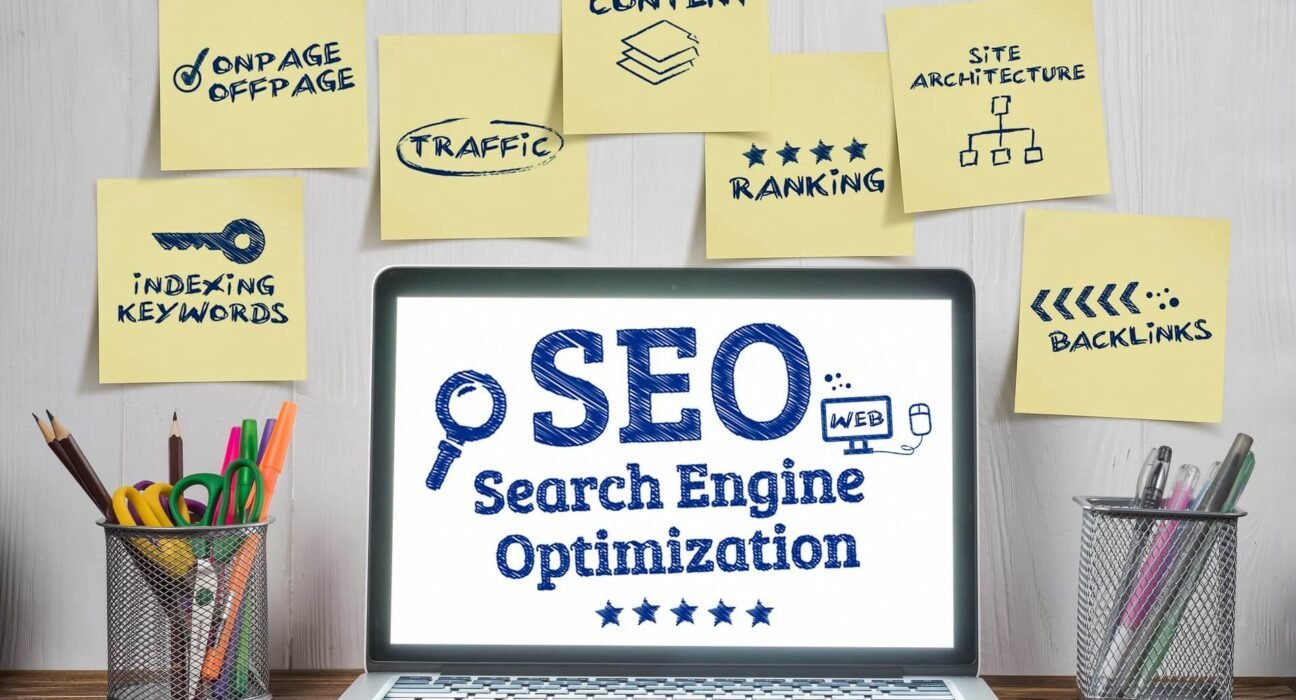
In the competitive world of e-commerce, simply launching an online store isn’t enough. With thousands of businesses selling similar products, getting your website noticed can be challenging. This is where Search Engine Optimization (SEO) becomes essential. SEO helps your online store appear higher in search engine results, making it easier for potential customers to discover your products organically.
Unlike paid advertising, SEO provides long-term visibility and can drive consistent, high-quality traffic to your website. Here are some essential SEO tips every online store should follow to improve rankings and increase sales.
1. Conduct Keyword Research
Every successful SEO strategy begins with understanding what your customers are searching for.
Use keyword research tools to identify terms related to your products, including long-tail keywords that reflect specific buying intent. For example, instead of targeting a broad keyword like “running shoes,” consider phrases such as “lightweight running shoes for beginners” or “waterproof trail running shoes.”
Using relevant keywords naturally throughout your website helps search engines understand your content and match it with user searches.
2. Optimize Product Pages
Your product pages are among the most valuable parts of your website.
Each page should include:
- A unique product title
- Detailed product descriptions
- High-quality images
- Descriptive image alt text
- Customer reviews
- Clear pricing and availability
Avoid copying manufacturer descriptions, as original content is more likely to perform well in search results and provide greater value to customers.
3. Improve Website Speed
Website speed plays a significant role in both user experience and SEO.
Slow-loading pages can frustrate visitors and increase bounce rates. To improve performance:
- Compress images
- Minimize unnecessary code
- Enable browser caching
- Use a reliable hosting provider
- Reduce unnecessary plugins
A faster website not only ranks better but also encourages visitors to stay longer and complete purchases.
4. Make Your Store Mobile-Friendly
With many shoppers browsing and purchasing from smartphones, mobile optimization is no longer optional.
Your website should feature:
- Responsive design
- Easy navigation
- Readable text
- Fast loading times
- Mobile-friendly checkout
Search engines prioritize mobile-friendly websites, making this an essential aspect of modern SEO.
5. Write Valuable Content
Content marketing supports SEO by attracting visitors through informative articles.
Consider publishing blogs on topics related to your products, such as buying guides, product comparisons, maintenance tips, or industry trends.
Helpful content establishes your brand as a trusted resource while creating additional opportunities to rank for relevant search queries.
6. Optimize Meta Titles and Descriptions
Every page should have a unique meta title and meta description.

These elements appear in search results and influence whether users click on your website.
Include your primary keyword while writing compelling descriptions that clearly explain what visitors can expect to find.
7. Use Internal Linking
Internal links connect related pages across your website.
For example, a blog about hiking equipment can link to hiking backpacks, boots, and camping gear available in your store.
Internal linking helps search engines understand your site’s structure while guiding visitors toward additional products and content.
8. Encourage Customer Reviews
Customer reviews benefit both shoppers and search engines.
Reviews provide fresh, user-generated content while increasing trust and credibility. Positive reviews can also improve click-through rates by giving potential buyers greater confidence in your products.
Responding professionally to reviews further demonstrates your commitment to customer satisfaction.
9. Optimize Images
Images are essential for online shopping, but they should also support SEO.
Use descriptive file names, write meaningful alt text, and compress images to reduce loading times without sacrificing quality.
Well-optimized images improve accessibility and can appear in image search results, driving additional traffic to your store.
10. Monitor Your SEO Performance
SEO is an ongoing process, not a one-time task.
Regularly track important metrics such as:
- Organic traffic
- Keyword rankings
- Conversion rates
- Bounce rate
- Page load speed
Analyzing this data helps identify opportunities for improvement and ensures your SEO strategy continues delivering results over time.
Final Thoughts
SEO is one of the most valuable long-term investments an online store can make. By conducting keyword research, optimizing product pages, improving website speed, creating valuable content, and maintaining a mobile-friendly shopping experience, businesses can attract more qualified visitors and increase sales without relying solely on paid advertising.
Success in e-commerce isn’t just about having great products—it’s about making sure customers can find them. A strong SEO strategy improves visibility, builds trust, and creates sustainable growth, helping your online store compete effectively in today’s digital marketplace. With consistent optimization and a focus on user experience, your website can become a powerful engine for long-term online success.





Leave feedback about this