

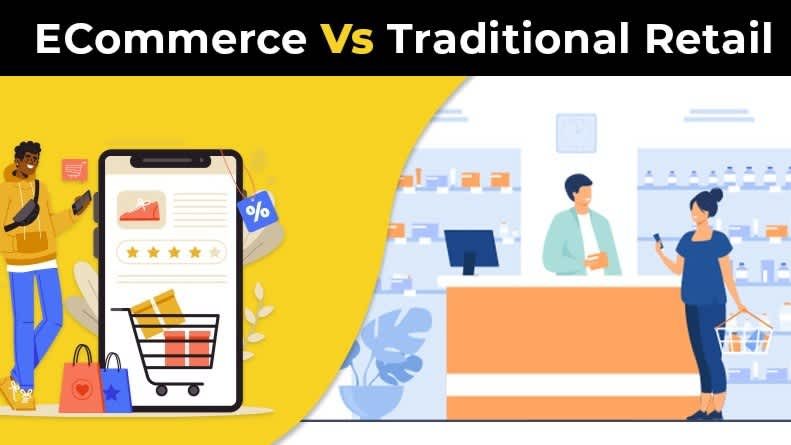
The way people shop has changed dramatically over the past decade. With just a few taps on a smartphone, consumers can order everything from groceries and clothing to electronics and furniture without leaving home. At the same time, traditional retail stores continue to attract shoppers who enjoy seeing products in person and experiencing face-to-face customer service.
So, which is better—e-commerce or traditional retail? The answer isn’t as simple as choosing one over the other. Each offers unique advantages, and the best option often depends on the shopper’s needs and preferences. Let’s explore how these two shopping experiences compare.
The Rise of E-Commerce
E-commerce has transformed the retail industry by making shopping more convenient than ever. Online stores operate 24/7, allowing customers to browse products, compare prices, read reviews, and make purchases from virtually anywhere.
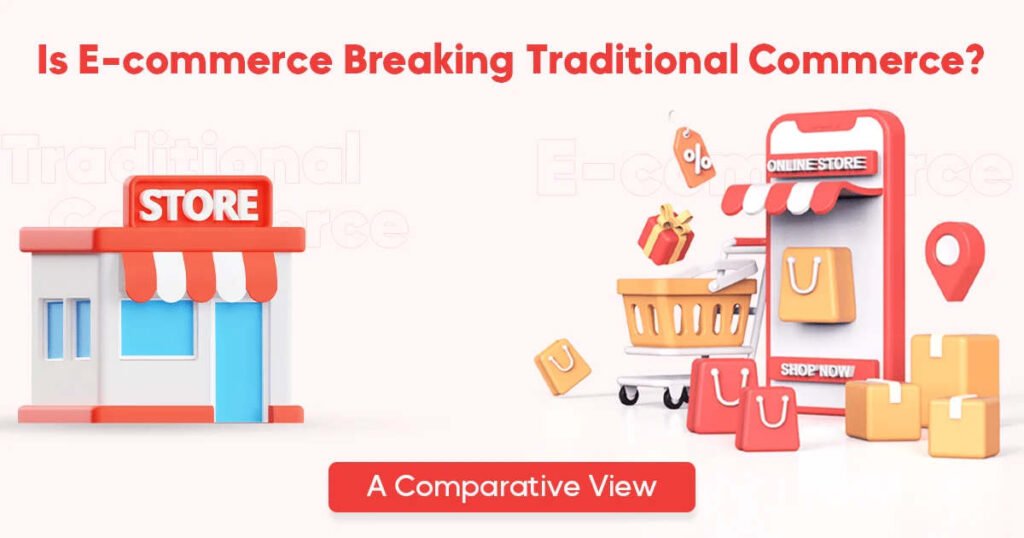
The popularity of e-commerce continues to grow because it saves time and offers access to a wider range of products than most physical stores can stock. Whether you’re shopping from home, during your lunch break, or while traveling, online shopping makes purchasing simple and accessible.
Why Traditional Retail Still Matters
Despite the rapid growth of online shopping, brick-and-mortar stores remain an essential part of the retail landscape. Many shoppers still value the opportunity to see, touch, and test products before making a purchase.
Traditional retail also provides instant gratification. Instead of waiting for delivery, customers can take their purchases home immediately. For products like clothing, furniture, or luxury items, the in-store experience often builds greater confidence in buying decisions.
Convenience vs. Experience
One of the biggest differences between e-commerce and traditional retail is convenience.
Online shopping offers:
- 24/7 accessibility
- Home delivery
- Easy price comparisons
- A wider product selection
- Customer reviews before purchase
Traditional retail offers:
- Immediate product availability
- Personalized customer service
- Hands-on product experience
- Easier product demonstrations
- Instant returns and exchanges
Both experiences appeal to different shopping habits, making them valuable in different situations.
Pricing and Discounts
Online retailers often have lower operating costs than physical stores, allowing them to offer competitive pricing and frequent promotions. Flash sales, discount codes, and seasonal deals make e-commerce attractive for budget-conscious shoppers.
However, traditional retailers also compete by offering exclusive in-store promotions, loyalty programs, and personalized assistance that adds value beyond the price tag.
Savvy shoppers frequently compare both online and in-store prices before making a purchase.
Customer Trust and Shopping Confidence
Trust plays a major role in purchasing decisions.
Physical stores allow customers to inspect products, ask questions, and receive immediate support from sales representatives. This can reduce uncertainty, especially when buying expensive items.
Online retailers build trust through customer reviews, secure payment methods, detailed product descriptions, and transparent return policies. As e-commerce continues to evolve, many businesses are investing in virtual product demonstrations, augmented reality tools, and live customer support to recreate aspects of the in-store experience.
The Rise of Omnichannel Shopping
Rather than competing directly, many businesses now combine both online and offline shopping through an omnichannel approach.
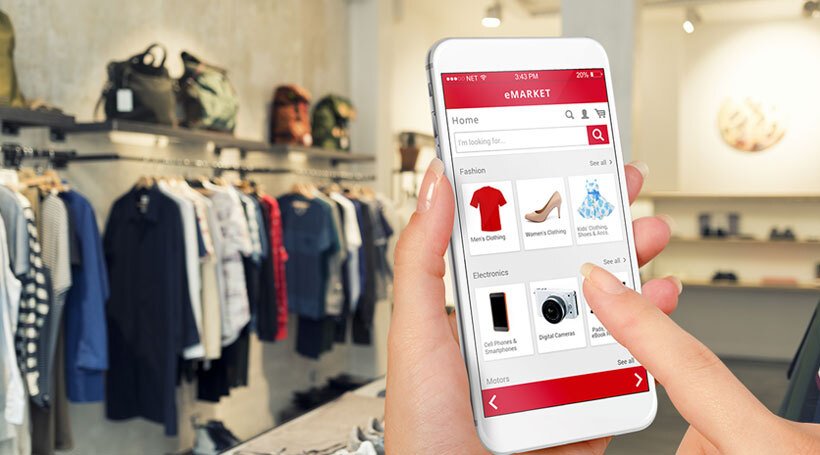
Customers may research products online, visit a physical store to see them in person, and complete the purchase through a website or mobile app. Others order online and collect their purchases in-store for added convenience.
This seamless integration gives shoppers greater flexibility while helping retailers serve customers more effectively.
Which Option Is Better?
The answer depends on what you’re buying and what matters most to you.
E-commerce is ideal if you value convenience, wider product choices, and the ability to shop anytime. Traditional retail is often the better choice when you want to examine products closely, receive personal assistance, or take your purchase home immediately.
For many consumers, the ideal shopping experience combines the strengths of both.
Final Thoughts
The debate between e-commerce and traditional retail isn’t about choosing a single winner—it’s about understanding how each serves different customer needs. Online shopping offers unmatched convenience and variety, while physical stores provide personal interaction, immediate access, and hands-on experiences.
As technology continues to reshape consumer behavior, the future of retail lies in blending the best of both worlds. Businesses that successfully combine digital convenience with exceptional in-store experiences will be best positioned to meet the expectations of modern shoppers. Whether you prefer clicking “Buy Now” or browsing store aisles, today’s retail landscape offers more choice and flexibility than ever before.


Leave feedback about this