


The FIFA World Cup is more than just a football tournament—it’s one of the world’s most celebrated sporting events. Every four years, billions of fans come together to watch nations compete for the sport’s most prestigious trophy. Since its inaugural tournament in 1930, the FIFA World Cup has evolved dramatically in terms of participation, technology, competition, and global influence.
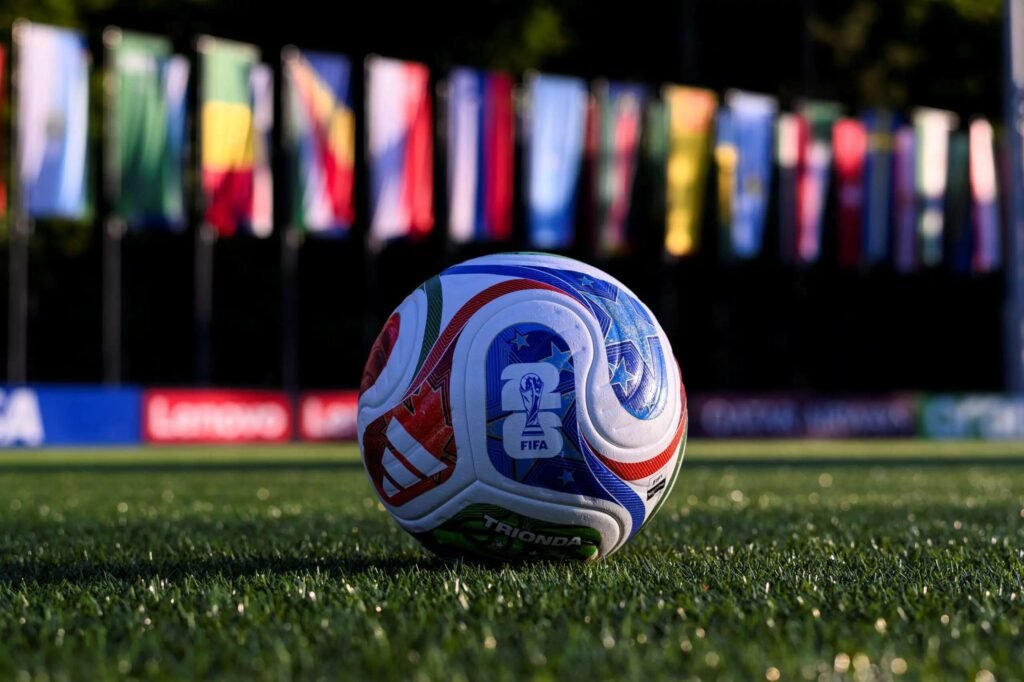
Let’s take a journey through the history of the FIFA World Cup and explore how it has transformed into the global phenomenon we know today.
Humble Beginnings in 1930
The first FIFA World Cup took place in Uruguay in 1930, featuring just 13 teams. Organized by FIFA, the tournament marked the first international competition dedicated solely to men’s national football teams.
Travel at the time was challenging, and many European teams made long sea voyages to participate. Despite the limited number of nations involved, the tournament laid the foundation for what would become the biggest event in international football.
Growing Global Participation
As football’s popularity spread across continents, more countries sought the opportunity to compete on the world stage.
The tournament gradually expanded:
- From 13 teams in 1930
- To 16 teams for several decades
- Then 24 teams in 1982
- Later 32 teams beginning in 1998
The expanded format allowed more nations from Africa, Asia, North America, and Oceania to participate, making the World Cup a truly global competition and giving emerging football nations a chance to showcase their talent.
Higher Standards of Competition
Modern football has become faster, more tactical, and physically demanding than ever before.
Advancements in coaching, sports science, nutrition, fitness training, and performance analysis have significantly improved the quality of play. Teams now spend years preparing for the tournament using detailed data analysis and advanced scouting methods.
As a result, the gap between traditional football powerhouses and emerging nations has narrowed, making every match more competitive and unpredictable.
Technology Changes the Game
One of the biggest transformations in recent World Cups has been the introduction of technology.
Video Assistant Referee (VAR) has helped officials review crucial decisions involving goals, penalties, red cards, and mistaken identity. Goal-line technology has also eliminated uncertainty by instantly confirming whether the ball has completely crossed the line.
Although these innovations remain topics of debate among fans, they have improved decision-making accuracy and increased fairness during matches.
Better Stadiums and Fan Experience
World Cup stadiums have evolved into architectural masterpieces equipped with cutting-edge technology, enhanced security, and improved accessibility.
Modern venues feature:
- High-definition video screens
- Comfortable seating
- Advanced lighting systems
- Sustainable construction methods
- Enhanced fan entertainment
Digital ticketing, mobile applications, and real-time match updates have also transformed the experience for supporters attending matches.
The Rise of Women’s Football
While the men’s FIFA World Cup remains the most-watched football event globally, women’s football has experienced tremendous growth.
The FIFA Women’s World Cup has expanded significantly in popularity, attracting larger audiences, increased investment, and greater media coverage. This growth reflects football’s expanding reach and its commitment to creating opportunities for athletes worldwide.
A Truly Global Cultural Event
Today’s FIFA World Cup is about much more than football. It has become a celebration of culture, diversity, and national pride.
Fans travel from around the world to support their teams, while billions more watch matches on television and streaming platforms.
Opening ceremonies, fan festivals, social media engagement, and cultural performances have turned the tournament into a month-long global celebration.

The World Cup also provides host nations with opportunities to showcase their culture, tourism, and infrastructure to an international audience.
Looking Toward the Future
The FIFA World Cup continues to evolve alongside the sport itself. Advances in artificial intelligence, player performance tracking, broadcasting technology, and fan engagement are shaping the future of the tournament.
Expanding participation allows more countries to dream of competing on football’s biggest stage, while innovations in sustainability and stadium design are helping make future tournaments more environmentally responsible.
Final Thoughts
From its modest beginnings in 1930 to its status as one of the world’s largest sporting events, the FIFA World Cup has undergone an extraordinary transformation. Expanded participation, improved technology, higher levels of competition, and a truly global audience have made the tournament more exciting and inclusive than ever before.
Despite all the changes, the heart of the FIFA World Cup remains the same: bringing nations together through a shared love of football. Every tournament creates unforgettable moments, celebrates exceptional talent, and inspires future generations of players and fans. As the competition continues to evolve, its legacy as the world’s greatest football event remains stronger than ever.






Leave feedback about this