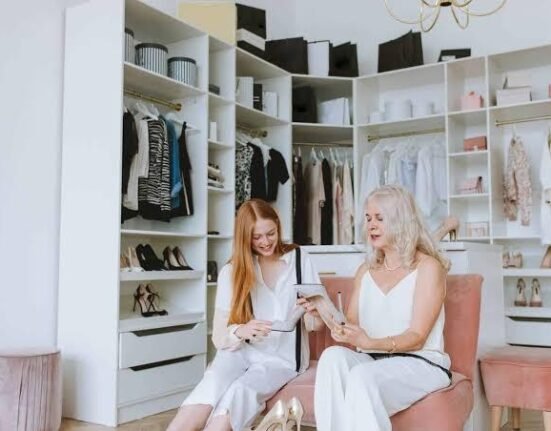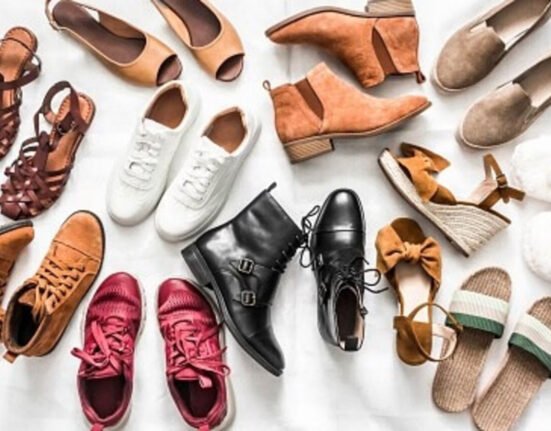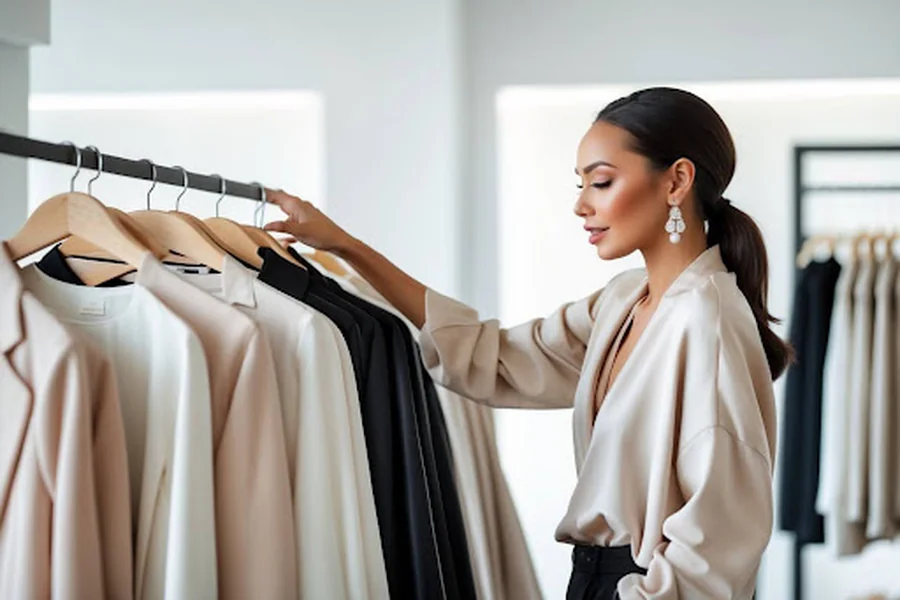
Fashion has never moved faster. Social media, influencer culture, and rapid product cycles have created an endless stream of micro-trends—those short-lived styles that appear suddenly and disappear just as quickly. At the same time, many shoppers are rediscovering the value of timeless wardrobes built around classic pieces that remain stylish for years. Today’s smartest fashion enthusiasts are learning how to strike a balance between chasing new trends and investing in clothing that offers long-term value.
Micro-trends are often fueled by viral moments on platforms like TikTok or Instagram. A specific color palette, silhouette, or accessory can dominate feeds for a few weeks before being replaced by the next big thing. These trends can be exciting because they allow people to experiment with fresh looks and express their creativity. For younger consumers especially, micro-trends provide a fun way to explore different fashion identities without long-term commitment. However, their rapid turnover can lead to overconsumption and wardrobes filled with items that quickly feel outdated.

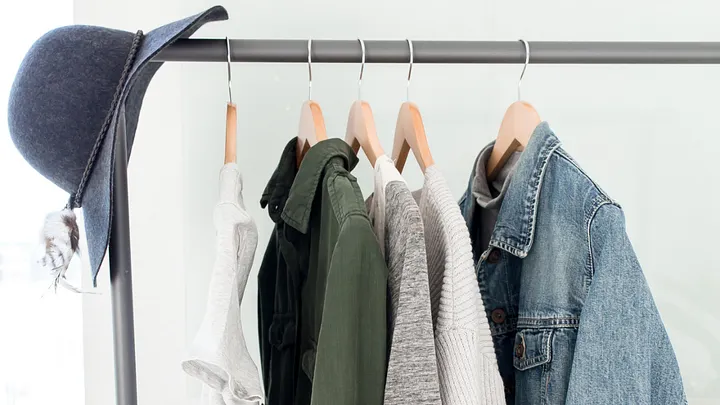
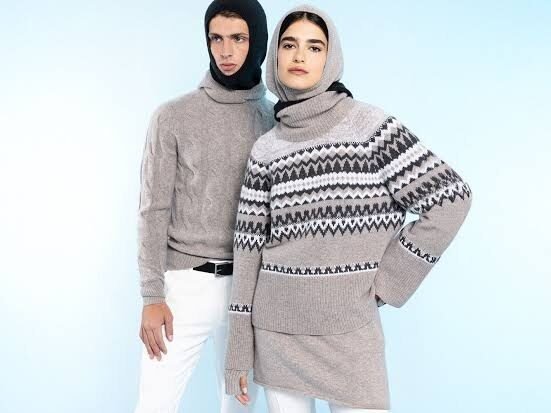
On the other hand, timeless wardrobes focus on versatility, quality, and longevity. Classic pieces such as tailored blazers, neutral-toned trousers, white shirts, and well-fitted denim rarely go out of style. These garments serve as reliable foundations that can be worn across seasons and occasions. Many fashion experts recommend investing in high-quality basics because they offer greater durability and adaptability compared to trend-driven items. Over time, a thoughtfully curated wardrobe reduces the need for frequent replacements, saving both money and resources.
The key difference between micro-trends and timeless fashion lies in purpose. Micro-trends are often about capturing a specific cultural moment, while timeless pieces emphasize enduring style. A smart shopper understands that both have a place in modern fashion. Instead of avoiding trends entirely, many consumers choose to incorporate them through accessories or affordable items that can be easily rotated out when styles change. This approach allows individuals to stay current without compromising the stability of their core wardrobe.
Financial considerations also influence where shoppers choose to invest. Timeless pieces often require a higher initial cost due to superior materials and craftsmanship. However, their long lifespan makes them more cost-effective over time. Micro-trend items, while usually less expensive, can add up quickly if purchased frequently. By prioritizing quality staples and limiting trend-driven purchases, shoppers can create a balanced wardrobe that remains stylish without constant spending.
Sustainability is another important factor shaping fashion investment decisions. The environmental impact of fast fashion has prompted many consumers to rethink their buying habits. Timeless wardrobes support a more sustainable approach by encouraging fewer purchases and longer product lifecycles. Meanwhile, mindful engagement with micro-trends—such as thrifting, renting, or swapping clothing—can help reduce waste while still allowing for creative expression.
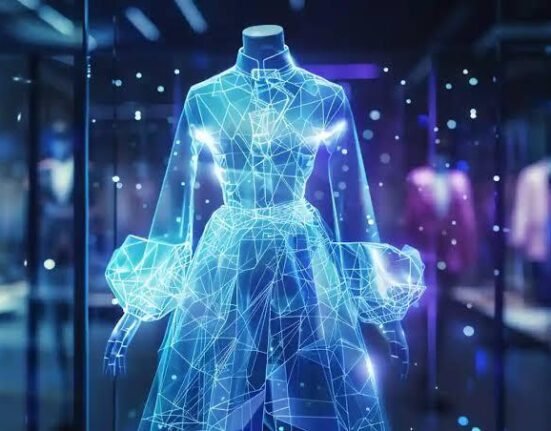
Technology and digital platforms are also changing how people approach fashion investments. Online resale markets make it easier to buy and sell both classic and trendy pieces, giving garments a second life. Capsule wardrobe planning apps and virtual styling tools help shoppers visualize outfits before making purchases, encouraging more intentional buying decisions. These innovations empower consumers to build wardrobes that reflect both personal style and practical needs.
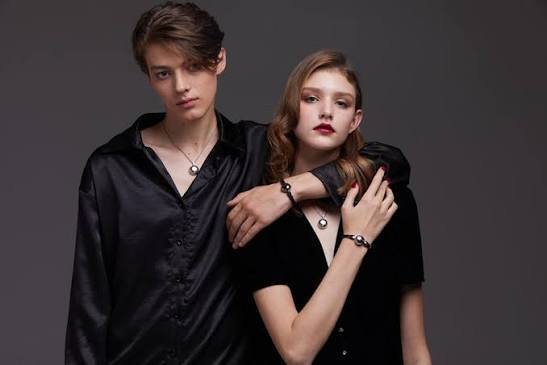
Another emerging strategy among smart shoppers is the concept of “trend layering.” Instead of fully committing to a short-lived trend, individuals incorporate subtle elements into existing outfits. For example, pairing a classic outfit with a trendy bag, statement shoes, or bold jewelry allows people to experiment without replacing their entire wardrobe. This technique keeps looks fresh while maintaining the reliability of timeless clothing.

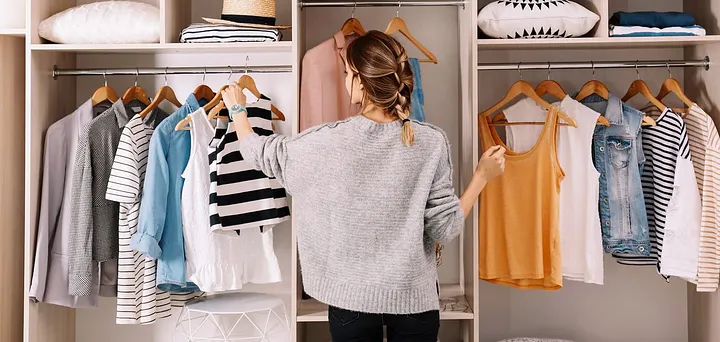
Ultimately, the debate between micro-trends and timeless wardrobes is not about choosing one over the other—it is about balance. Fashion is meant to be expressive and enjoyable, but it also benefits from thoughtful planning and long-term vision. By investing in quality basics while selectively embracing trends, shoppers can create wardrobes that feel current without becoming cluttered or wasteful.
As fashion continues to evolve, the most successful style strategies will be those that blend creativity with practicality. Smart shoppers recognize that timeless pieces provide stability, while micro-trends offer moments of fun and experimentation. Together, they form a wardrobe that adapts to changing tastes while remaining grounded in lasting style—a perfect balance between fast fads and forever fashion.