

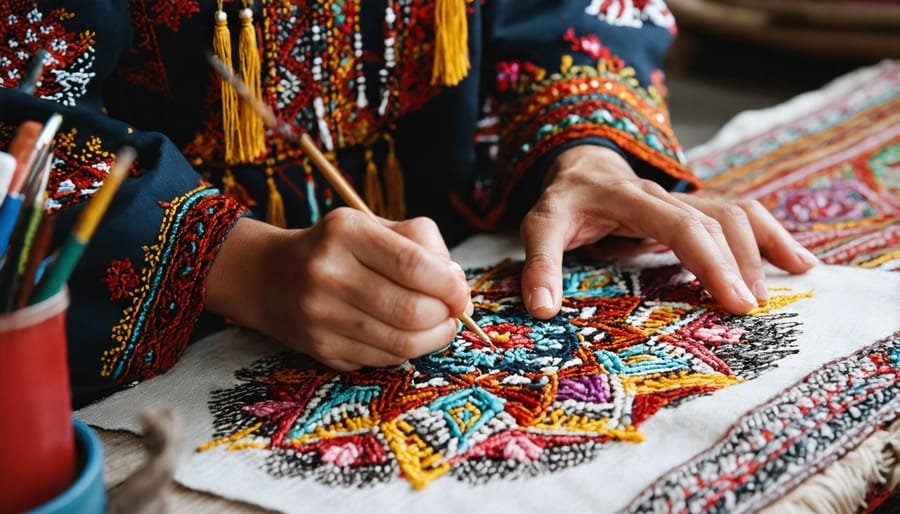
Fashion is more than clothing—it is a living language, a form of storytelling passed from one generation to the next. Across continents, cultures express themselves through textiles, silhouettes, colors, and craftsmanship that preserve memory and identity. Today, cultural fashion is stepping into the global spotlight not as a trend, but as a meaningful artistic dialogue. It offers a bridge between past and present, tradition and innovation, community and individuality.
This cultural renaissance is not about nostalgia. It reflects a growing desire for authenticity, slower craftsmanship, and the rediscovery of roots. As people around the world turn toward pieces with soul, cultural fashion is shaping a new era—one in which heritage becomes a source of creativity rather than a relic of the past.
The Poetry of Traditional Textiles
Every culture has its own textile poetry—made not with words, but with threads, hands, and centuries of knowledge.
In Peru, Quechua weavers craft textiles filled with geometric symbols that honor mountains, crops, and deities.
In Indonesia, batik artisans use wax and dye to create intricate, fluid artworks that reflect nature and philosophy.
In Morocco, handwoven rugs tell intergenerational stories of family, fertility, and protection.
In Japan, indigo dyeing reflects patience, precision, and meditative craftsmanship.
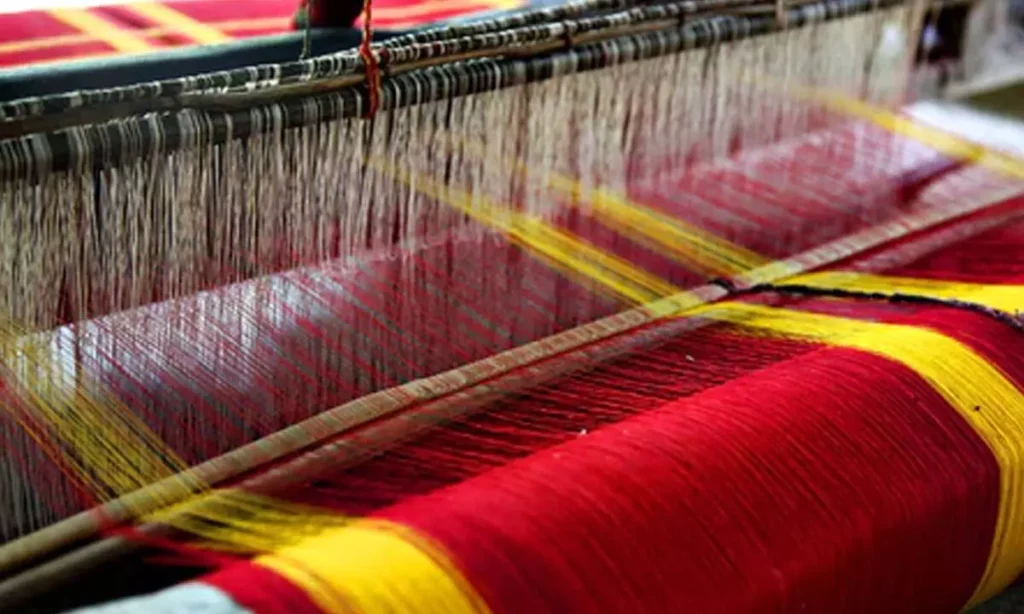
These textiles are far more than decorative. They’re maps of identity, carrying stories that could never be fully captured in books. Modern designers are increasingly partnering with these artisan communities, giving traditional textiles a wider audience while preserving the skills behind them.
Silhouettes Born From Place and Purpose
Cultural silhouettes often emerge from the land itself. Climate, mobility, ceremony, and craftsmanship all influence how garments are shaped.
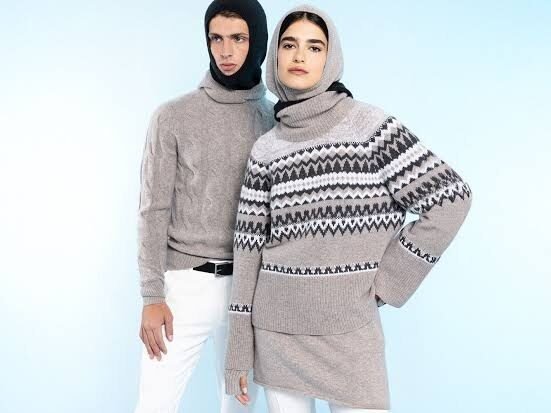
The layered garments of the Himalayas reflect cold mountain winds.
The airy kaftans and abayas of the Middle East respond to desert heat.
The structured hanbok echoes Korean philosophy: balance, dignity, and harmony.
The Maasai shuka wraps allow freedom of movement when herding across savanna landscapes.
These silhouettes weren’t created for beauty alone—but their elegance has influenced global fashion in striking ways. Designers now look to these traditional forms to inspire comfort-focused clothing, architectural draping, and pieces that blend function with artistry.
The Symbolism Behind Cultural Colors
Color carries emotion—but in cultural fashion, it carries meaning as well.
In many Indigenous cultures across the Americas, red symbolizes life-force and protection.
In parts of India, yellow is linked with blessings, prosperity, and celebration.
In the Pacific Islands, deep blues mirror the ocean, which anchors community identity.
In Nordic regions, earthy browns and greens echo forests, fjords, and long winters.
When contemporary fashion uses these palettes, it’s not just tapping into aesthetic appeal—it is echoing landscapes, histories, and worldviews.
Patterns With Purpose
Motifs in cultural fashion are rarely random. They’re encoded messages, blessings, and memories.
Celtic knotwork symbolizes eternity and interconnectedness.
Akan Adinkra symbols carry proverbs and philosophical ideas.
Aboriginal prints represent Dreamtime stories and land connections.
Turkish kilim patterns express protection, fertility, and family lineage.
These patterns, when thoughtfully integrated into modern clothing, become visual narratives—wearable pieces of history that honor their origins.
Cultural Fashion in Modern Wardrobes
Around the world, people are embracing cultural fashion not only for special occasions, but as part of everyday life.
A Kenyan beaded bracelet paired with denim.
A Guatemalan huipil worn over modern trousers.
A Japanese-inspired wrap jacket styled with sneakers.
A hand-embroidered Palestinian tatreez scarf layered over a simple dress.
These fusions celebrate heritage while embracing contemporary style. They show that cultural fashion doesn’t need to be locked behind glass—it can live, evolve, and inspire.
Ethical Appreciation, Not Appropriation
As cultural fashion grows globally, the importance of respect cannot be overstated. Ethical appreciation means:

- learning about the origins of a garment
- crediting the culture that created it
- purchasing directly from artisan communities
- understanding the meaning behind motifs
- supporting designers rooted in those traditions
Respect ensures that cultural fashion remains a celebration—not a distortion.
A Future Woven With Heritage
Cultural fashion is shaping a new, more conscious era of style. It reminds us that clothing is not just material—it is memory, artistry, resilience, and identity.
In a world that often moves too fast, cultural fashion invites us to slow down and listen to the stories woven into every stitch.





Leave feedback about this