Shopping secondhand isn’t just a trend—it’s a smart, sustainable way to build a wardrobe that’s both stylish and environmentally conscious. Vintage shops, thrift stores, and online resale platforms offer treasures that can rival high-end boutiques. But the challenge lies in navigating this world without sacrificing your personal style. The good news? With a few strategies, you can score amazing pieces, reduce waste, and elevate your wardrobe—all without compromise.
1. Know Your Style Before You Shop
Before hitting the racks or scrolling through resale apps, define your personal style. Are you classic, edgy, minimalist, or eclectic? Understanding your preferences helps you avoid impulse buys that won’t get worn.

Pro tip: Create a “wish list” of items you’re looking for—specific colors, silhouettes, or wardrobe staples. This ensures your secondhand finds enhance your existing wardrobe rather than clutter it.
2. Embrace the Hunt
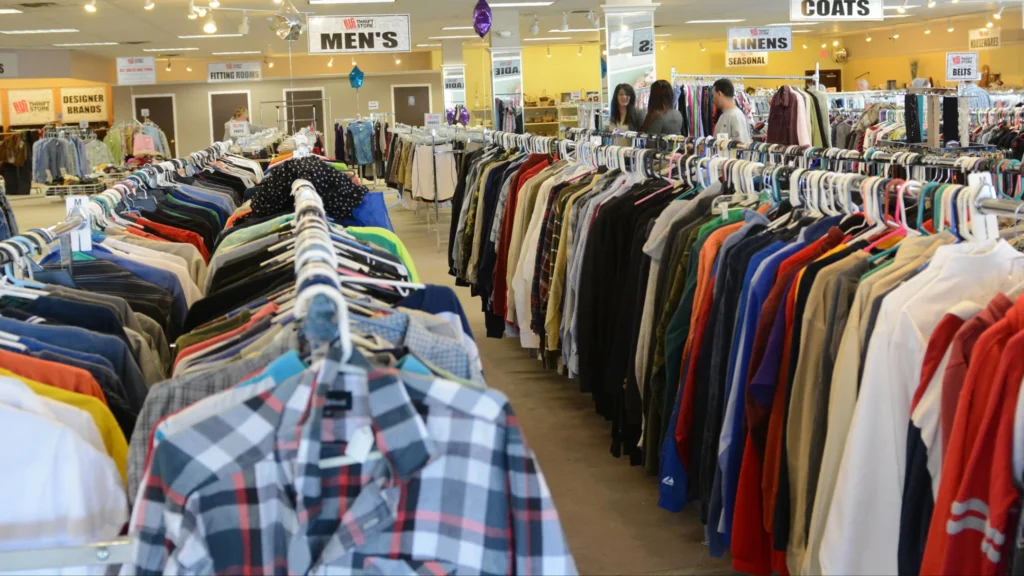
Secondhand shopping is part treasure hunt, part patience game. You might not find the perfect piece immediately, but persistence pays off.
- Thrift Stores: Visit regularly. Inventory changes weekly, so checking often increases your chances of scoring gems.
- Online Marketplaces: Platforms like Poshmark, Depop, ThredUp, and Vestiaire Collective allow you to search by size, brand, and style. Set alerts for items on your wish list.
The thrill of the hunt is part of the experience, and it makes finding a statement piece even more satisfying.
3. Prioritize Quality Over Quantity
Just because an item is affordable doesn’t mean it’s a good buy. When shopping secondhand, pay attention to fabric, stitching, and overall condition.
Look for:
- Natural fabrics like wool, silk, and cotton
- Well-made seams and intact zippers
- Minimal signs of wear or stains
Quality items last longer, maintain their shape, and elevate your wardrobe effortlessly. Think of it as investing in timeless pieces at a fraction of the price.
4. Don’t Shy Away from Alterations
Even the most perfect vintage find may need minor tweaks—like hemming, adjusting the fit, or replacing buttons. A skilled tailor can transform a good piece into a wardrobe staple tailored just for you.
Pro tip: Budget for alterations when shopping secondhand. A small investment can make an off-the-rack piece feel bespoke.
5. Mix Secondhand with Modern Pieces
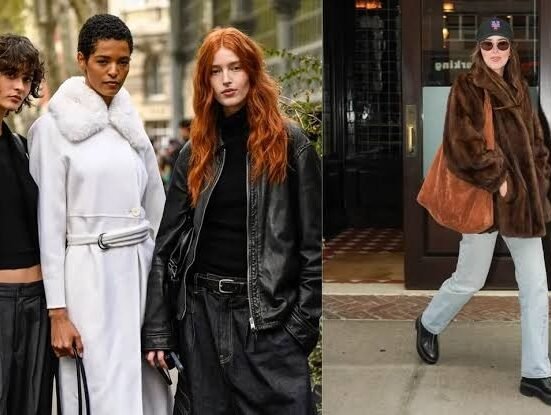
Secondhand shopping doesn’t mean everything in your outfit has to be vintage. Mix and match pre-loved items with contemporary pieces for a fresh, curated look.
- Pair a vintage blouse with high-waisted trousers
- Style a thrifted blazer over a modern slip dress
- Combine retro denim with new sneakers
This approach keeps your wardrobe feeling current while allowing you to incorporate unique, sustainable finds.
6. Be Mindful of Sizing
Sizes in vintage and secondhand clothing vary widely, often differing from modern standards. Always check measurements, and if possible, try items on. Don’t focus solely on the labeled size—fit matters more than the number on the tag.
Pro tip: Keep a measuring tape handy and know your measurements for reference when shopping online.
7. Check the Return Policy
When buying online, verify the seller’s return policy. Some platforms allow returns or exchanges if items don’t fit or meet expectations. This reduces the risk of ending up with pieces you can’t wear.
8. Invest in Key Secondhand Staples
Certain wardrobe items work especially well when sourced secondhand:

- Denim: Vintage jeans often have unique washes and fits.
- Leather Jackets & Bags: High-quality leather improves with age.
- Statement Coats: A bold secondhand coat can define your entire look.
- Designer Pieces: Pre-loved designer items are often significantly cheaper than new and maintain their luxury appeal.
Focusing on staples ensures your secondhand finds are both practical and stylish.
9. Clean and Care for Your Finds
Always wash, dry clean, or sanitize secondhand items before wearing. Proper care ensures they last longer and maintain their quality, helping you maximize your investment.
Final Thoughts
Secondhand shopping is a sustainable, stylish, and rewarding way to build a wardrobe. By knowing your style, prioritizing quality, embracing alterations, and blending vintage with modern pieces, you can curate a collection that feels current, personal, and eco-conscious.
In a world where fashion often feels disposable, secondhand shopping is a statement—not just about style, but about valuing quality, individuality, and the planet. With a little patience and a keen eye, you can look effortlessly chic while making a positive impact.