


Urban sports culture has always had a pulse of its own — raw, creative, and deeply rooted in community. From pickup basketball on cracked concrete courts to skateboarding through city plazas, urban sports were born not in pristine stadiums but in alleyways, playgrounds, and streets. Over the years, however, what began as underground or grassroots movements have made their way to the global stage, transforming not just the way sports are played, but how they’re seen and celebrated around the world.
The Birthplace: Streets as Stadiums
In cities around the globe, limited space and resources have never stopped young athletes from carving out their own playing fields. Whether it’s a football match in a dusty lot in Rio de Janeiro or BMX bikers weaving through traffic in Tokyo, the streets have long been a canvas for athletic creativity. These informal settings breed innovation — no two courts are the same, no game ever goes by the book. Urban sports culture emphasizes style, flair, and improvisation, qualities that often get muted in professional arenas.
More than just physical outlets, these spaces also became hubs for social interaction, identity, and expression. Urban sports offered an escape from economic hardship, a way to build confidence, and a medium to create community. In many neighborhoods, becoming skilled in a particular sport could earn respect and recognition far beyond a win-loss record.
The Influence of Hip-Hop and Streetwear

Urban sports culture didn’t evolve in isolation. It grew alongside music, fashion, and youth subcultures — most notably, hip-hop. The aesthetic of urban athletes, from oversized jerseys and sneakers to fitted caps and gold chains, mirrored the beats and rhymes that echoed from boom boxes and car stereos. Basketball players dressed like rappers, skateboarders launched streetwear brands, and the line between sport and lifestyle blurred into one.
This fusion of sport and culture helped urban sports capture the attention of brands and media. What once seemed niche was now cool, and marketable. Today, sneakers worn on city courts are fashion staples on runways and in malls. Brands like Nike, Adidas, and Supreme have built empires by tapping into the authenticity of urban sports culture.
From Fringe to Mainstream
Skateboarding, parkour, freestyle football, streetball — many of these once-underground activities are now showcased on global stages. Skateboarding debuted as an official Olympic sport in Tokyo 2020, bringing athletes who once honed their skills in public parks to the world’s most prestigious sporting event. Similarly, breakdancing (now called “breaking”) is set to feature in the Paris 2024 Olympics.
These shifts mark a recognition of not just the physical skill involved, but the cultural richness of urban sports. They’re no longer seen as rebellious or outside the norm — they are celebrated for their authenticity, individuality, and creativity.
Challenges and Commercialization
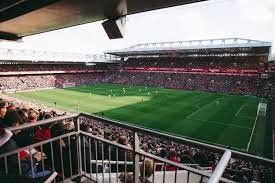
But with mainstream acceptance comes growing pains. Many in the original communities of urban sports worry that the essence is being diluted. Stadiums and sponsorships bring rules, restrictions, and sometimes a loss of the grassroots spirit that made these sports unique. The commercialization of urban sports can create tensions between authenticity and profit — between staying true to the street and adapting to the spotlight.
Additionally, gentrification and urban redevelopment threaten the very spaces where urban sports were born. Basketball courts are turned into parking lots, skate spots are fenced off, and public areas are increasingly policed. As these communities fight to preserve their spaces, it becomes clear that protecting the culture also means protecting the places where it thrives.
The Future of Urban Sports Culture
Despite the challenges, the future of urban sports culture looks dynamic and influential. Technology is amplifying its reach — with social media platforms allowing athletes to showcase their skills, gain sponsorships, and build followings without ever setting foot in a stadium. Young athletes no longer wait for scouts or leagues to validate them. A viral video can do more than a tournament win.
Cities around the world are also beginning to recognize the importance of inclusive, accessible spaces for youth sports. Skate parks, urban gyms, and multi-sport courts are being integrated into urban planning, creating opportunities for the next generation of athletes to rise — from the streets, with style, on their own terms.




Leave feedback about this