

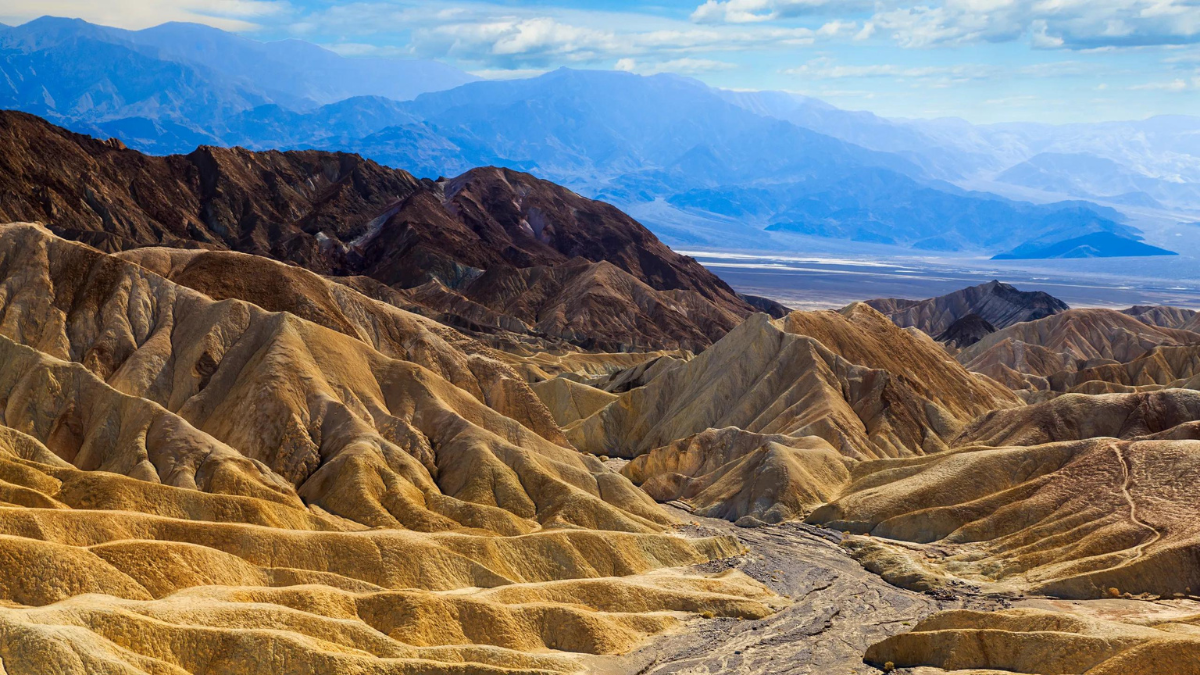
Death Valley, situated in the arid expanses of California, is a remarkable and enigmatic region known for its extremes and intriguing phenomena. As the largest national park in the contiguous United States, this vast desert area offers a wealth of captivating features that go well beyond its notoriety as the hottest and driest place on Earth.
This harsh yet mesmerizing desert encompasses much more than just a vast stretch of sand and rock. With its extreme temperatures, mysterious sailing stones, and the breathtaking beauty of super blooms, Death Valley showcases the incredible wonders nature can craft in the harshest of environments.
Check out some of these interesting facts about Death Valley that’ll leave you amazed.
1. Largest National Park in Contiguous US
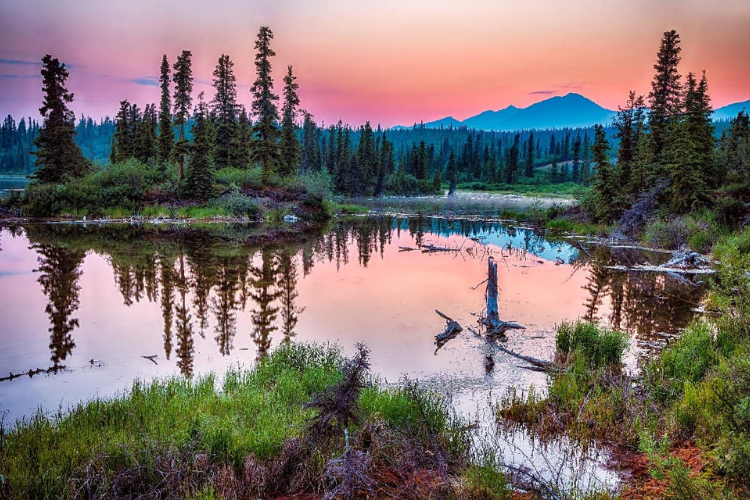
Death Valley National Park, covering more than 3.4 million acres, is the largest national park in the contiguous United States. Its extensive area features a diverse range of landscapes, including salt flats, sand dunes, and rugged mountains, offering a wealth of natural wonders to explore.
2. Lowest Point in North America
Badwater Basin is located within the Death Valley and claims the title of the lowest point in North America, plunging to an astounding 282 feet below sea level. As visitors stand on the vast salt flats, surrounded by the Panamint Mountains, they get the surreal experience of being at the continent’s lowest point.
3. Hottest Place on Earth
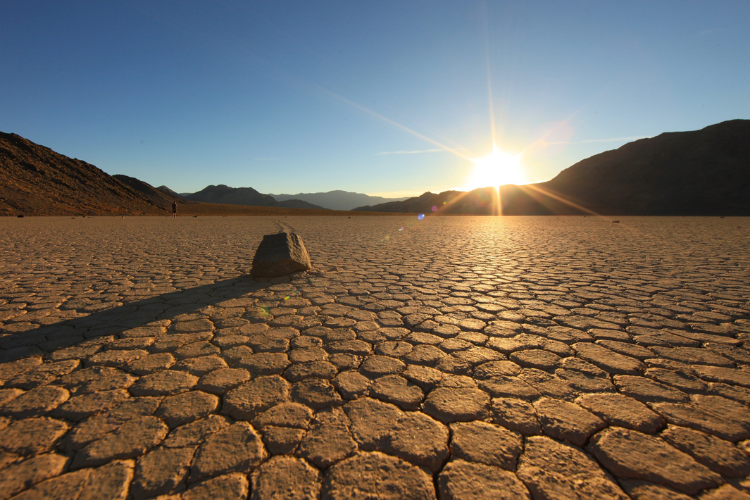
With its reputation for extreme temperatures, Death Valley has earned the distinction of being the hottest place on Earth. In 1913, Furnace Creek in Death Valley set the record for the highest air temperature ever recorded at a scorching 134°F (56.7°C). The relentless sun and heat waves contribute to the desert’s iconic, otherworldly landscape.
4. Driest Place in North America
While Death Valley is renowned for its high temperatures, it is equally famous for its arid conditions, earning the title of the driest place in North America. Rainfall here is scarce, and the landscape is dotted with salt flats and dry lake beds, contributing to the desolation that characterizes this unique desert ecosystem.
5. Wildlife is abundant in Death Valley
Despite its harsh reputation, Death Valley supports a surprising variety of wildlife that has adapted to its extreme conditions. Bighorn sheep traverse the rugged mountain terrain, while coyotes, kit foxes, and even the elusive desert tortoise thrive in this seemingly inhospitable environment. Birdwatchers also visit the park to observe the diverse bird species that inhabit Death Valley.
6. Tallest Sand dune in California
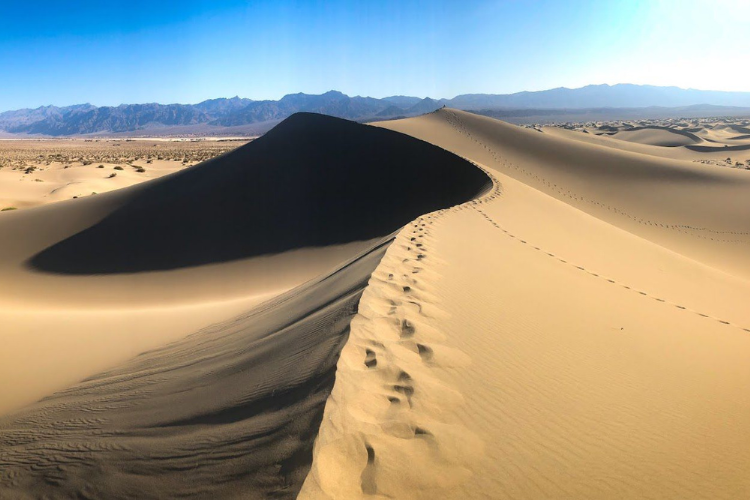
Mesquite Flat Sand Dunes, an iconic feature of Death Valley, is not only visually stunning but also harbors the tallest sand dune in California. Rising to heights of 100 feet, these undulating dunes create a mesmerizing landscape that shifts and transforms with the play of light and shadow, offering a unique experience for photographers and nature enthusiasts.
7. Wildflower Blooms in the Harsh Desert
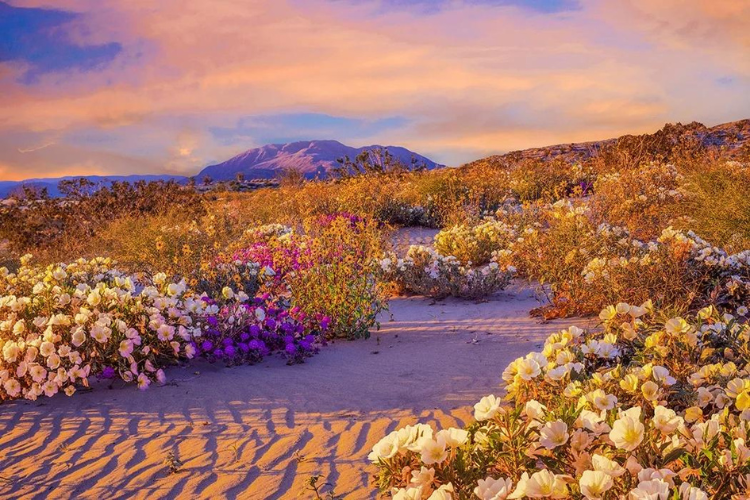
Despite its arid environment, Death Valley occasionally witnesses spectacular wildflower blooms, known as “super blooms.” These vivid displays occur after periods of heavy rainfall, turning the desert floor into a colorful tapestry. The resilience of these wildflowers highlights the hidden life that thrives in even the most unexpected places.




Leave feedback about this