

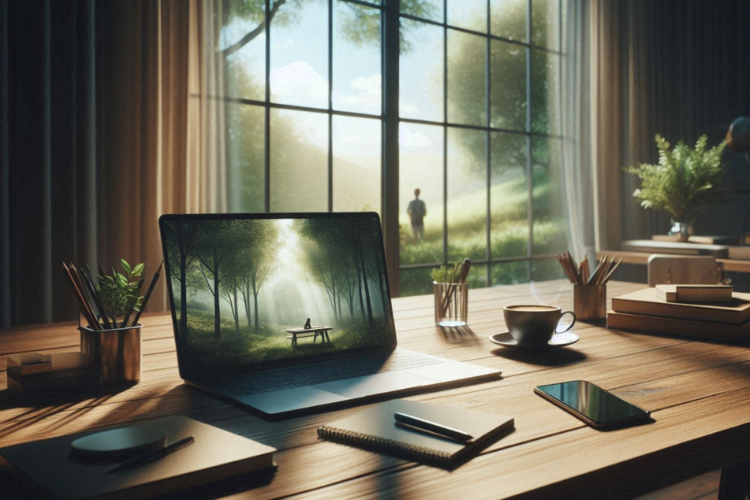
In an age where notifications never stop and screen time keeps rising, more people are turning toward a simpler, more intentional way of using technology. Welcome to the era of digital minimalism—a lifestyle that focuses on using tech with purpose rather than letting it control your time and attention.
As we move through 2026, digital minimalism is not about rejecting technology, but about creating a healthier relationship with it.
What is Digital Minimalism?

Digital minimalism is the practice of reducing unnecessary digital distractions and focusing only on tools and platforms that truly add value to your life. It’s about quality over quantity—using technology to support your goals, not derail them.
Why Digital Minimalism Matters in 2026
With the rise of AI tools, social media platforms, and constant connectivity, people are experiencing:
- Increased screen fatigue
- Reduced attention spans
- Mental burnout
- Difficulty maintaining work-life balance
Digital minimalism offers a solution by helping you regain control over your time and mental space.
Signs You Need a Digital Detox
- You check your phone constantly without purpose
- Social media leaves you feeling drained or anxious
- You struggle to focus on tasks without distractions
- Your screen time keeps increasing daily
If any of these sound familiar, it might be time to simplify your digital habits.
Practical Steps to Embrace Digital Minimalism
1. Declutter Your Apps
Remove apps that don’t serve a meaningful purpose. Keep only those that help you work, learn, or stay connected in a positive way.
2. Turn Off Non-Essential Notifications
Constant alerts break your focus. Disable notifications that aren’t urgent or important.
3. Set Screen Time Limits
Use built-in tools or apps to track and limit your daily usage.
4. Create Tech-Free Zones
Designate areas or times (like meals or before bed) where devices are not allowed.
5. Focus on Deep Work
Allocate distraction-free time blocks for important tasks to improve productivity.
Tools That Support Digital Minimalism

Some tools can actually help you reduce digital overload:
- Forest – Encourages focus by gamifying productivity
- Freedom – Blocks distracting apps and websites
- Notion – Keeps tasks and notes organized in one place
Using the right tools can help you stay intentional with your digital habits.
Benefits of Digital Minimalism
- Improved Focus: Fewer distractions mean better productivity
- Better Mental Health: Reduced stress and anxiety
- More Free Time: Time for hobbies, relationships, and self-care
- Stronger Relationships: More meaningful offline interactions
Balancing Technology and Life
Digital minimalism doesn’t mean going offline completely. Instead, it’s about:
- Using social media mindfully
- Setting boundaries with work communication
- Prioritizing real-world experiences
The goal is to make technology serve you—not the other way around.






Leave feedback about this