Why We Become EmotSports are often described as entertainment, but for millions of fans, they are much more than that. A match can make someone feel excitement, disappointment, pride, frustration, and even heartbreak within a matter of hours. Fans may celebrate victories as if they personally achieved them and feel genuinely disappointed after a loss.
But why do we become so emotionally attached to sports teams we don’t actually play for?
The answer lies in a fascinating combination of identity, community, memories, competition, and human psychology.
Sports Become Part of Our Identity
One of the biggest reasons fans become attached to teams is identity.
When someone says, “We won,” they aren’t necessarily talking about themselves. They are identifying themselves as part of the team and its wider community.
Supporting a particular club, national team, or franchise can become part of how someone describes themselves. The team’s colors, traditions, history, and symbols can become connected to the fan’s own sense of identity.
Over time, supporting a team can feel less like choosing entertainment and more like belonging to something.
The Power of Belonging
Humans naturally seek connection with others. Sports create communities where people can instantly feel connected, even when they have never met before.

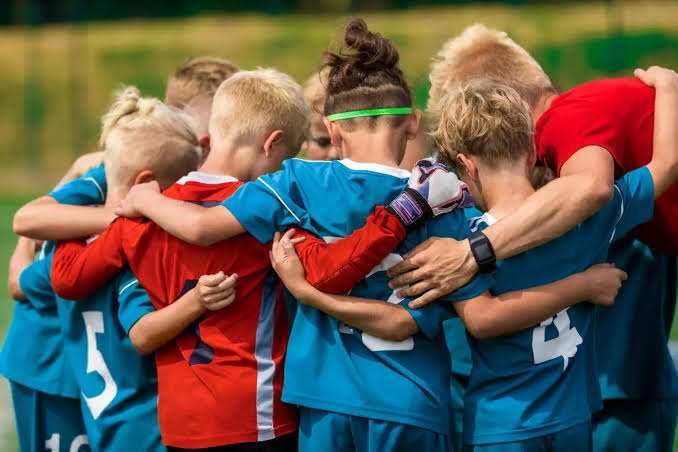
Think about what happens inside a stadium. Thousands of strangers wear the same colors, sing the same songs, celebrate the same goals, and react to the same moments.
The same thing happens online, in sports bars, at workplaces, and among friends.
A shared team creates an easy social connection. You may have very little in common with another fan, but your support for the same team gives you something meaningful to talk about.
Childhood Memories Matter
For many people, sports fandom begins during childhood.
A parent might introduce a child to a favorite team. A memorable match might be watched with siblings or friends. A particular player might become an early hero.
These experiences can create strong emotional associations.
Years later, watching that same team can bring back memories of family, childhood, school, friendships, or important moments in life. The emotional connection isn’t only about the sport anymore—it’s also about everything the sport represents.
The Emotional Roller Coaster
Sports are unpredictable, and that uncertainty makes them emotionally powerful.
A game can appear completely decided and then change within minutes. A last-second goal, unexpected comeback, dramatic finish, or controversial decision can create an intense emotional reaction.
This emotional unpredictability keeps fans invested.
If every match had a predictable outcome, sports would lose much of their appeal. The possibility of an unexpected result gives fans a reason to keep watching and hoping.
Rivalries Make the Connection Stronger
Sports rivalries can intensify emotional attachment.
When two teams have a long history of competition, fans often develop strong opinions about both sides. Winning against a major rival can feel more meaningful than an ordinary victory.
Rivalries also create stories that continue across generations. Fans inherit traditions, jokes, rivalries, and expectations from previous generations, making sports fandom feel like part of a larger history.
Shared Success Feels Personal
One interesting aspect of sports fandom is that supporters often experience a team’s success almost personally.
A championship can create feelings of pride, excitement, and celebration even though the fan wasn’t directly involved in winning it.
This happens because fans psychologically identify with the group. When the group succeeds, supporters can experience some of that success as their own.
The opposite can happen after a defeat. A painful loss can genuinely affect someone’s mood because the emotional investment is real.
Hope Keeps Fans Coming Back
Even after disappointment, fans often return.
Why?
Because sports provide hope.
A struggling team may have a new coach, promising young player, or upcoming season that could change everything. Fans imagine what might happen next.
This anticipation is a major part of the experience. Supporting a team isn’t only about remembering past victories; it’s also about believing that another great moment could be just around the corner.
Sports Create Lasting Memories
Ask a passionate sports fan about their favorite match, and they’ll often remember surprisingly specific details: where they watched it, who they were with, what happened, and how they felt.
Sports create shared experiences that become personal memories.
A championship watched with family, a dramatic comeback celebrated with friends, or a childhood match remembered years later can become part of someone’s life story.
Final Thoughts
Our attachment to sports teams isn’t simply about winning and losing. It’s about identity, belonging, memories, community, rivalry, hope, and shared experiences.
A team can connect generations, bring strangers together, and create emotions that remain long after the final whistle.
That’s why sports can mean so much to people. We may not be the ones scoring the goals or lifting the trophy, but when we support a team, its journey can become part of our own.
And perhaps that’s the real magic of being a sports fan: we don’t just watch the game—we become part of its story.ionally Attached to Sports Teams