

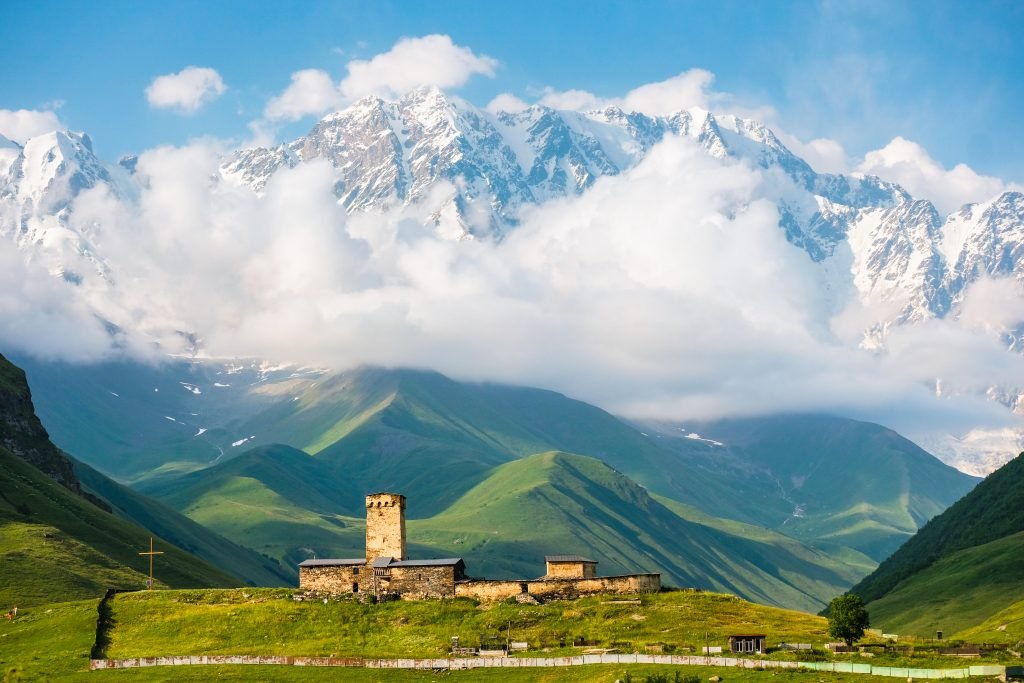
There are mountains that impress you, and then there are mountains that humble you. Georgia’s Svaneti region, tucked deep within the Caucasus, is the kind of place where the world feels larger, older, and wilder than you remembered. It is a land of stone towers, unmapped hiking trails, ancient villages, and peaks that slice into the sky like silver blades. Traveling here feels less like a vacation and more like stepping into a forgotten chapter of human history.
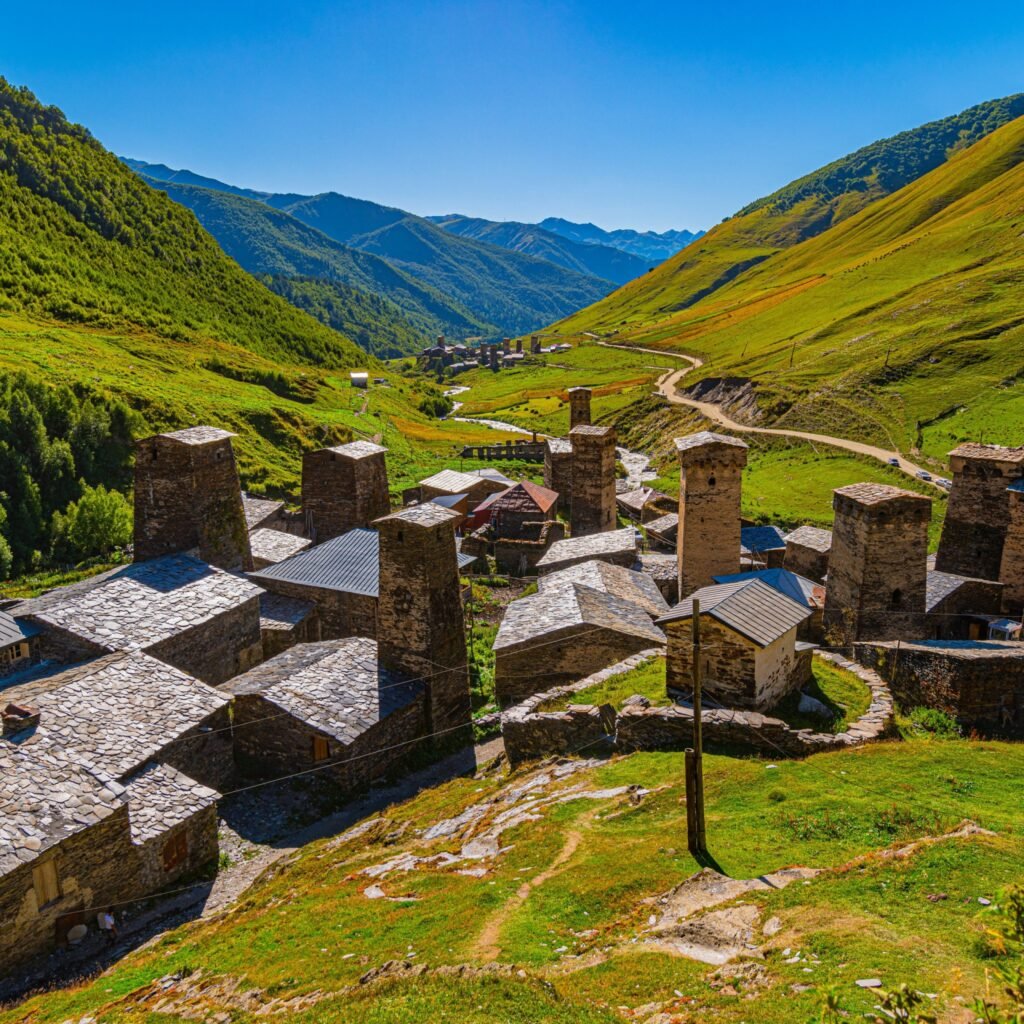
My journey began in Mestia, the cultural heart of Svaneti. The road leading there wound through steep valleys and narrow passes, with cliffs rising sharply on one side and rivers raging below on the other. When the town finally appeared—clustered between snow-dusted mountains—it looked almost surreal. Medieval Svan towers, tall and square, stood scattered throughout the village. Built centuries ago as both homes and defensive structures, they rise like stern guardians watching over the land.
I checked into a cozy guesthouse run by a local family who greeted me with warm bread, homemade cheese, and cherry jam. “Eat, rest,” the grandmother said, placing a steaming bowl of soup in front of me. Hospitality here felt less like customer service and more like being welcomed into someone’s life.
The next morning, crisp mountain air swept through Mestia as I set off on the famed hike to Ushguli, one of Europe’s highest continuously inhabited settlements. The trail began gently, weaving through meadows where horses grazed freely, their coats gleaming in the morning sun. Wildflowers dotted the grass—purples, yellows, and whites swaying in the breeze. As I climbed higher, the path narrowed, hugging cliffs while offering sweeping views of the massive Caucasus range.
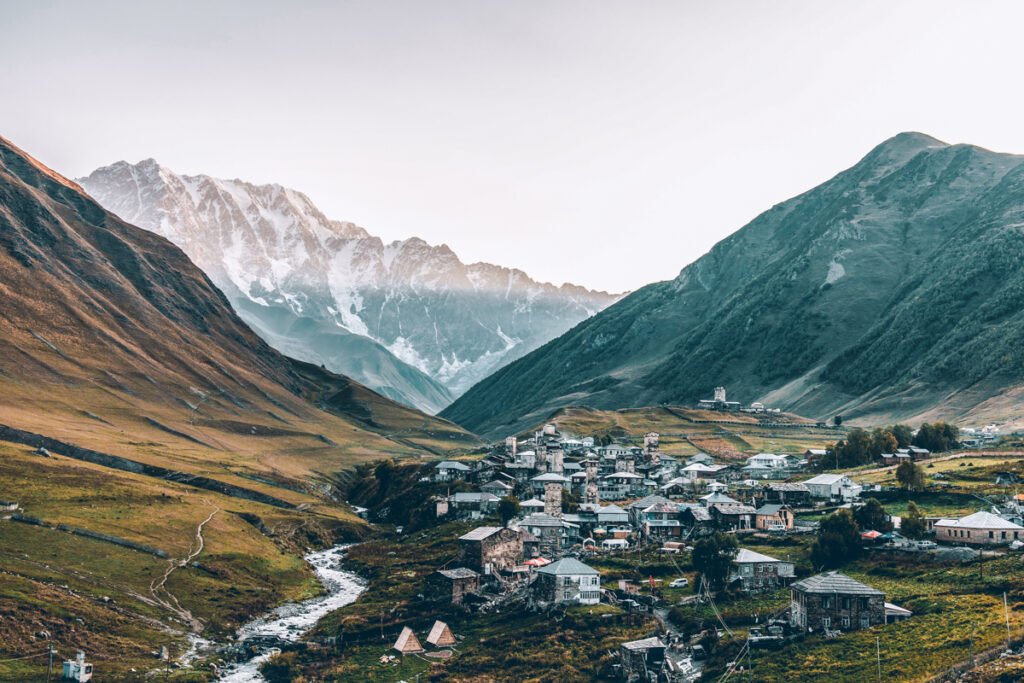
Several hours into the hike, I heard the distant clang of cowbells echoing across the valley. Soon, the ancient village of Ushguli revealed itself—stone houses with slate roofs, narrow dirt paths, and dozens of Svan towers rising proudly against the backdrop of Mount Shkhara, one of the tallest peaks in the region. The entire village felt like a living museum, untouched by modern rush.
Children ran barefoot through the streets, shepherds guided sheep across the hills, and elderly women wove traditional textiles with practiced hands. Life here unfolds slowly, in rhythms tied to land and weather. It is impossible not to feel grounded.
I visited a small home-turned-museum where a local woman explained the purpose of the medieval towers. “Protection,” she said simply. “From enemies, avalanches, storms—Svaneti always survived.” Her words held centuries of resilience.
That afternoon, I walked to a nearby viewpoint overlooking the Enguri River valley. The landscape stretched endlessly—glacial streams carving silver veins through grasslands, jagged peaks rising with dramatic intensity, and clouds drifting so close they felt within reach. I sat there for a long time, listening to nothing but the wind weaving through the mountains. It was the kind of silence that cleans the soul.
Back in Mestia the next day, I explored the Svaneti Museum of History and Ethnography, which houses ancient manuscripts, gold icons, weapons, and ceremonial artifacts. The exhibits told a story of a people fiercely proud of their heritage—isolated by mountains but deeply connected through tradition. The craftsmanship of the goldwork was astonishing, intricate and glimmering, as if time had barely touched it.
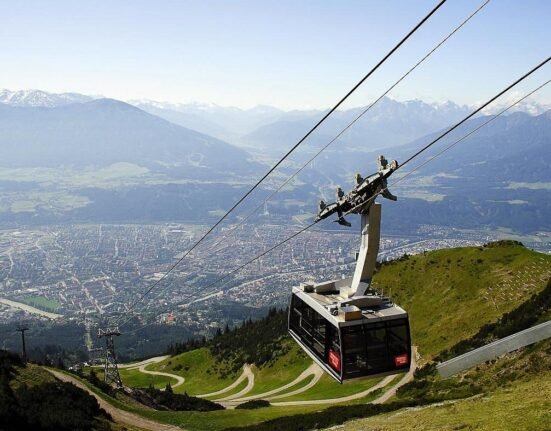
In the afternoon, I took a cable car up to Hatsvali Viewpoint. From the top, the panorama was nothing short of breathtaking—mountains unfolding in layer after layer of blue, grey, and white. The sun dipped behind the peaks, scattering golden light that turned snowcaps into glowing beacons. For a few minutes, the entire horizon looked aflame.
Evenings in Svaneti are simple and warm. Back at the guesthouse, I joined my hosts for dinner—khachapuri fresh from the oven, mint tea, and small glasses of homemade chacha, a local spirit. We talked about weather, local legends, and the mountains. “They watch us,” the grandfather said, nodding toward the window where silhouettes of the peaks stood in the fading light. “And we respect them.”
Leaving Svaneti felt like parting from a place that doesn’t fully belong to modern time. It is wild, ancient, and deeply alive—one of the rare corners of the world that still whispers its own secrets.
And once you’ve walked its trails, breathed its cold mountain air, and stood beneath its towering peaks, those whispers stay with you forever.


Leave feedback about this