In today’s fast-moving world, knowledge and skills are constantly evolving. Technologies change, industries transform, and new ideas emerge almost every day. Because of this rapid development, learning cannot stop after formal education. Instead, it must continue throughout our lives.
This concept is known as lifelong learning—the continuous pursuit of knowledge for personal and professional growth. People who embrace lifelong learning stay adaptable, improve their skills, and remain prepared for new opportunities.
What Is Lifelong Learning?
Lifelong learning refers to the process of acquiring knowledge and skills throughout one’s life, both formally and informally. It can include:

- Reading books and educational articles
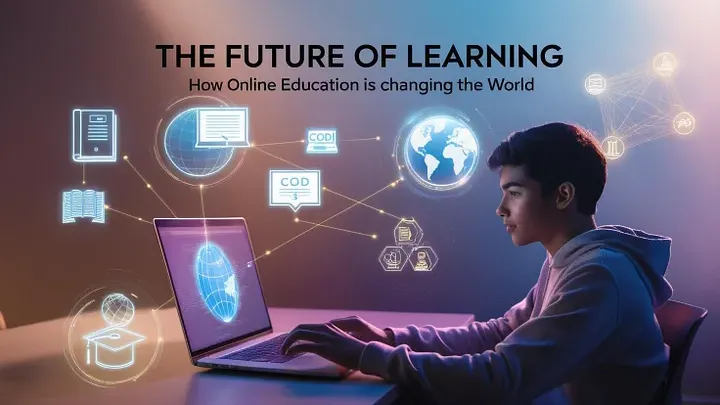
- Taking online courses
- Learning new professional skills
- Attending workshops or seminars
- Developing hobbies that expand knowledge
Unlike traditional education, lifelong learning is often self-directed and motivated by curiosity or personal goals.
Why Lifelong Learning Matters
1. Adapting to Technological Change
Technology is evolving faster than ever. Many jobs today require skills that did not exist a decade ago. Continuous learning helps individuals stay updated with modern tools and trends.
For example, professionals in fields such as marketing, programming, and business must constantly learn new techniques to remain competitive.
2. Improving Career Opportunities
Employers value individuals who are willing to learn and improve their abilities. People who invest in learning new skills often have better career prospects and higher chances of promotion.
Learning new languages, technical skills, or management techniques can significantly increase professional value.
3. Boosting Personal Confidence
Knowledge builds confidence. When individuals learn new skills or understand new subjects, they feel more capable of handling challenges and solving problems.
Continuous learning also helps people develop critical thinking and decision-making abilities.
4. Encouraging Personal Growth
Learning is not only about career success—it also enriches personal life. Studying history, literature, psychology, or science can broaden perspectives and deepen understanding of the world.
People who pursue knowledge often develop stronger curiosity and creativity.
Ways to Practice Lifelong Learning
Read Regularly
Books, blogs, research papers, and articles are excellent sources of knowledge. Reading regularly helps expand vocabulary, improve comprehension, and expose readers to new ideas.

Take Online Courses
Many educational platforms offer affordable or even free courses in subjects ranging from technology to arts and personal development.
Learn From Experience
Real-life experiences are powerful teachers. Traveling, volunteering, or working on new projects can provide valuable lessons that cannot always be found in textbooks.
Stay Curious
Curiosity is the foundation of learning. Asking questions, exploring new topics, and seeking different perspectives help keep the mind active and engaged.
The Role of Knowledge-Sharing Platforms
Online article platforms and knowledge-sharing websites play an important role in spreading information. These platforms allow writers and experts to publish informative articles for readers around the world, making knowledge more accessible to everyone.
Through such platforms, readers can discover new ideas, learn practical skills, and stay informed about different subjects.
Conclusion
Lifelong learning is no longer optional—it is essential in today’s rapidly changing world. Continuous learning helps individuals adapt to new challenges, build stronger careers, and develop deeper understanding of life.
By reading, exploring new ideas, and staying curious, anyone can become a lifelong learner. The more we learn, the better prepared we are to face the opportunities and challenges of the future.