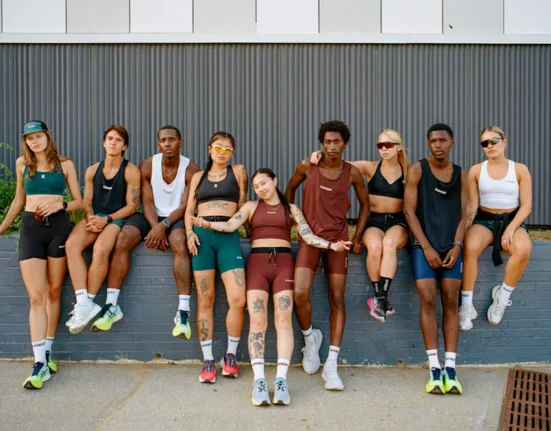
In 2025, the world of sports is more vibrant and unpredictable than ever. From groundbreaking performances on the field to innovative technology shaping how fans experience their favorite games, this year has proven that sports remain one of humanity’s most powerful connectors. Whether it’s football stadiums filled with roaring fans, AI-driven analytics changing coaching strategies, or emerging sports captivating new audiences, the global pulse of athletics continues to evolve—and inspire.
The Rise of AI and Data-Driven Performance
One of the biggest stories in sports this year is the widespread integration of artificial intelligence and advanced analytics. What began as simple player-tracking systems has now evolved into full-scale predictive modeling. Coaches and managers in leagues from the NBA to the English Premier League rely on data to assess fatigue, predict injuries, and optimize game strategies.


AI-powered wearables track everything from heart rate variability to micro-movements that reveal early signs of overtraining. This technological edge is giving rise to smarter, more efficient athletes who can prolong their careers and peak performances. Even fan engagement has become more data-driven, with AI customizing streaming highlights and fantasy sports suggestions based on personal preferences.
Women’s Sports Breaking Barriers
2025 is also a banner year for women’s sports. Attendance, sponsorships, and media coverage have reached record highs. The Women’s World Cup qualifiers have drawn record viewership, while the Women’s NBA (WNBA) continues to expand into international markets. Major brands are investing heavily in female athletes, not just for marketing but as global ambassadors of empowerment and equality.
In tennis, young stars like Coco Gauff and Emma Raducanu have become household names, inspiring a new generation of players. Meanwhile, women’s cricket and football have seen major pay parity discussions and policy changes, signaling a long-overdue shift toward fairness and recognition.
Football’s Global Fever
Football, the world’s most-watched sport, continues to dominate headlines. With the 2026 World Cup approaching, national teams are testing new tactics, and the transfer market has reached unprecedented levels of drama. Clubs like Real Madrid, Manchester City, and Bayern Munich continue to set standards of excellence, while emerging clubs in the Middle East and the U.S. are challenging traditional dominance with massive investments.
Messi and Ronaldo may be nearing retirement, but a new generation—led by Kylian Mbappé, Erling Haaland, and Vinícius Júnior—is keeping fans on their feet. Their agility, speed, and precision are pushing the boundaries of modern football. The sport’s global expansion has also brought sustainability into focus, with new eco-friendly stadiums and carbon-neutral tournaments leading the charge for a greener future.
The Olympic Countdown
All eyes are also on the 2028 Los Angeles Olympics, but the buildup is already visible in 2025. Qualification events have highlighted new athletic talent and surprising upsets. Sports like skateboarding, surfing, and breaking (breakdancing) continue to bring youth culture into the Olympic spotlight, blending traditional competition with creative expression.
This fusion of art and athleticism reflects how modern sports are changing. The Olympics are no longer just about medals—they’re about global unity, diversity, and storytelling through motion.
The Business of Sports and Global Fan Culture
Behind the scenes, the sports economy is booming. Sponsorship deals, streaming rights, and digital fan experiences are generating billions. Social media platforms such as TikTok and Instagram have transformed how fans interact with athletes, making them more accessible and relatable. Short-form video content has turned everyday moments—like locker-room laughs or pre-game rituals—into viral sensations.
E-sports also continues to blur the line between digital and physical competition. With massive arenas packed for gaming tournaments and million-dollar prize pools, professional gamers are now recognized as athletes in their own right.
Health, Wellness, and the Human Element
Amid all the technology and business, sports in 2025 are also embracing mindfulness and mental health. After years of discussion, major leagues now employ mental performance coaches and offer resources for athletes to manage pressure. Stars like Simone Biles and Naomi Osaka have helped break the stigma, reminding the world that true athletic excellence includes emotional balance and resilience.


A Year That Redefines the Game
From grassroots participation to global tournaments, sports in 2025 are evolving faster than ever. They’re no longer just about competition—they’re about connection, innovation, and inclusion. Fans are closer to the action, athletes are smarter and stronger, and the world is more united through the shared language of play.
In a world often divided by differences, sports continue to remind us of one simple truth: when the whistle blows, and the game begins, everyone—no matter who they are or where they come from—can be part of something extraordinary.