

Software is the backbone of the modern digital economy. From mobile apps and enterprise systems to cloud platforms and AI-driven tools, software continues to evolve at a rapid pace. As we step into 2026, innovation in this space is not just about faster development, it’s about smarter, more adaptive, and highly scalable solutions.
In this blog, we explore the major trends shaping the future of software and what they mean for businesses and users alike.
AI-Driven Software Development
Artificial Intelligence has become the most transformative force in software development. Today, AI tools can write code, detect bugs, and even automate testing processes. Studies show that a vast majority of companies are already integrating AI into their workflows, significantly boosting productivity and efficiency.
Key benefits of AI in software:
- Faster development cycles
- Automated debugging and testing
- Smarter applications with predictive capabilities
AI is also shifting the role of developers—from writing repetitive code to designing intelligent systems and overseeing AI-generated outputs.
Cloud-Native and Serverless Architecture
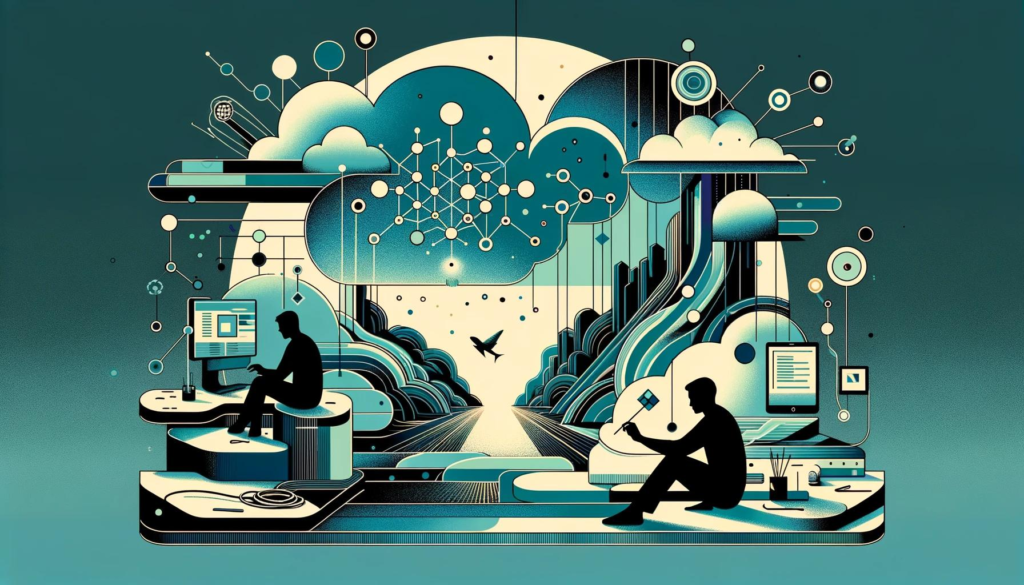
Cloud computing continues to dominate the software landscape. Modern applications are now built using cloud-native technologies such as microservices, containers, and serverless computing.
Why this matters:
- Scalability on demand
- Reduced infrastructure costs
- Faster deployment and updates
Businesses are increasingly moving away from traditional on-premise systems to flexible, cloud-based environments that support global operations and remote work.
Rise of Low-Code and No-Code Platforms
Software development is no longer limited to professional developers. Low-code and no-code platforms are enabling non-technical users to build applications with minimal coding knowledge.
Advantages include:
- Faster application development
- Lower costs
- Increased collaboration across teams
This trend is democratizing software creation and helping businesses innovate more quickly.
Cybersecurity and DevSecOps
As cyber threats continue to rise, security has become a top priority in software development. Modern applications are built with security integrated at every stage—a concept known as DevSecOps.
Key practices:
- Continuous security testing
- Real-time threat detection
- Secure coding standards
With data breaches becoming more frequent, secure software is no longer optional—it’s essential.
API-First and Integration-Ready Systems
In today’s interconnected digital ecosystem, software must work seamlessly with other tools and platforms. API-first development ensures that applications are built with integration in mind from the start.
This approach enables:
- Smooth communication between systems
- Faster innovation through third-party integrations
- Flexible and modular software design
Modern businesses rely heavily on integrated ecosystems rather than standalone applications.
Internet of Things (IoT) and Smart Software
The rise of IoT is driving the demand for software that can manage and process data from connected devices. With billions of devices expected in the coming years, software systems must be more intelligent and scalable than ever.
Use cases include:
- Smart homes and cities
- Industrial automation
- Healthcare monitoring systems
Software is becoming the central hub that connects and controls these smart environments.
Modular and Microservices Architecture
Gone are the days of monolithic applications. Modern software is built using microservices—small, independent components that work together.
Benefits:
- Easier maintenance and updates
- Improved scalability
- Faster development cycles
This modular approach allows businesses to adapt quickly to changing market demands.
Automation and Continuous Delivery
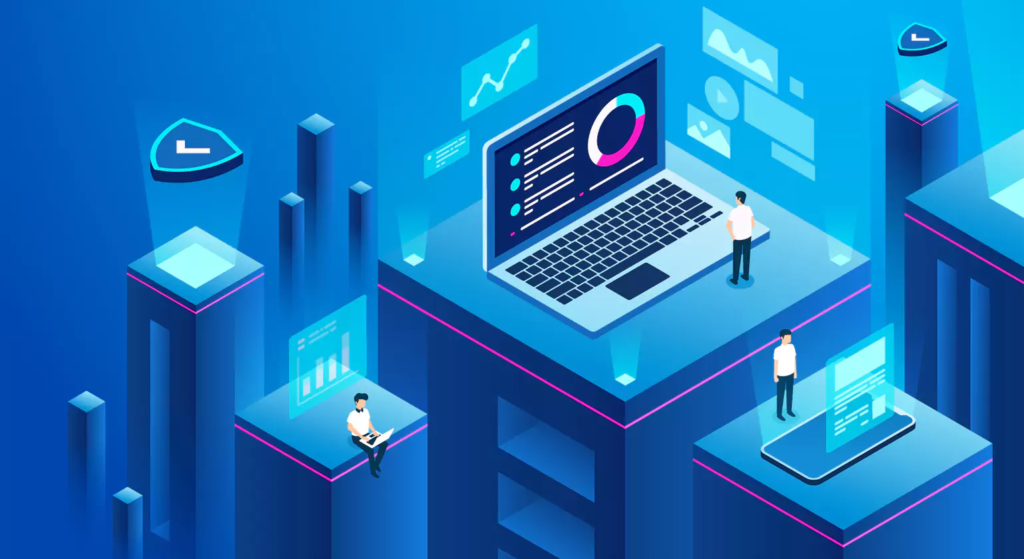
Automation is transforming how software is built and deployed. Continuous Integration and Continuous Delivery (CI/CD) pipelines ensure that updates are released quickly and reliably.
This leads to:
- Faster time-to-market
- Reduced human error
- Improved software quality
Automation is no longer a luxury—it’s a necessity in modern development.
Personalized and User-Centric Software
Modern users expect software that adapts to their needs. Personalization is becoming a key feature, powered by data analytics and AI.
Examples include:
- Customized dashboards
- Smart recommendations
- Adaptive user interfaces
This trend enhances user experience and increases engagement.





Leave feedback about this