As the world races to decarbonize its energy systems and meet climate targets, nuclear power is reemerging as a critical piece of the puzzle. But rather than building traditional massive nuclear plants, many countries and companies are turning to Small Modular Reactors (SMRs) — a new generation of compact, flexible nuclear reactors designed for the 21st century.
So, what are SMRs, how do they work, and why are they being hailed as the future of nuclear energy?
What Are Small Modular Reactors?

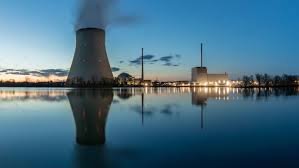
Small Modular Reactors are advanced nuclear power units that are smaller in size and output compared to conventional nuclear reactors. While traditional reactors typically generate 1,000 megawatts (MW) or more, SMRs usually produce between 50–300 MW of electricity.
The term “modular” refers to how these reactors are designed and built: much of the manufacturing takes place off-site in factories and then the reactors are transported and assembled on-site. This modular construction allows for faster deployment, improved quality control, and reduced costs compared to large-scale nuclear builds.
How Do SMRs Work?
SMRs operate using the same basic principles as conventional nuclear reactors:
- Nuclear fission is used to split atoms (usually uranium-235 or plutonium-239), releasing heat.
- This heat is used to create steam.
- The steam drives turbines that generate electricity.
However, SMRs incorporate modern technologies and safety features. Some use light-water cooling systems similar to existing nuclear plants, while others are exploring advanced designs like:
- Molten salt reactors
- High-temperature gas reactors (HTGRs)
- Lead-cooled fast reactors
These advanced systems offer potential benefits like higher efficiency, passive safety (requiring no operator action in emergencies), and the ability to use different fuels — including waste from other reactors.
Why Are SMRs Considered the Future of Nuclear?
1. Enhanced Safety
Modern SMRs are designed with passive safety systems that automatically shut down the reactor or cool it without human intervention. Many are built underground or in containment vessels to limit radiation exposure risks.
2. Lower Costs and Faster Build Times
Traditional nuclear plants often face delays and budget overruns. SMRs, built off-site in factories, promise shorter construction timelines and reduced capital investment — potentially opening up nuclear power to a wider range of countries and private investors.
3. Scalability and Flexibility
Unlike large plants, SMRs can be added incrementally to meet growing energy demand. They’re also well-suited for remote locations, islands, or industrial use cases (like powering mines or desalination plants).
4. Low Carbon and Reliable
Like all nuclear power, SMRs offer zero carbon emissions during operation and provide reliable, 24/7 base-load power — making them an ideal complement to intermittent renewables like wind and solar.
Where Are SMRs Being Developed?
Several countries and companies are leading the charge in SMR development:
- United States: Companies like NuScale Power and TerraPower (backed by Bill Gates) are advancing designs with regulatory support from the U.S. Nuclear Regulatory Commission.
- Canada: Has made SMRs a core part of its national energy strategy and aims to deploy them in remote communities and industrial areas.
- United Kingdom: Rolls-Royce is developing SMRs to support the UK’s net-zero goals and replace aging reactors.
- China & Russia: Already have operational or near-complete SMR projects, particularly for remote or military applications.
Challenges and Concerns


Despite the promise, SMRs face several hurdles:
- Regulatory complexity: Licensing new designs remains slow and expensive.
- High initial cost per kWh: While cheaper than large nuclear plants, SMRs are still more expensive than some renewables without subsidies.
- Nuclear waste: SMRs still produce radioactive waste, although some designs may reduce or recycle it.
- Public perception: Nuclear power still faces skepticism and resistance due to historical accidents and safety concerns.
The Bottom Line
Small Modular Reactors represent a bold, flexible, and potentially game-changing evolution in nuclear energy. With growing global energy demand, a need for low-carbon baseload power, and pressure to decarbonize quickly, SMRs offer a compelling alternative to fossil fuels and massive nuclear infrastructure.
If successful, they could reshape how we generate energy — not just for nations with large power grids, but for rural communities, isolated industries, and even developing countries seeking reliable electricity without carbon emissions.