Online shopping has changed dramatically over the past few years. What once meant searching through product pages, adding an item to a cart, and waiting for delivery has evolved into a much more interactive and personalized experience.
In 2026, e-commerce is becoming less about simply buying products online and more about how technology, convenience, content, and personalization come together to influence what we discover and ultimately purchase.
Here are some of the biggest trends shaping the online shopping experience this year.
1. AI Is Becoming Part of the Shopping Journey
Artificial intelligence is moving beyond the background of e-commerce websites.
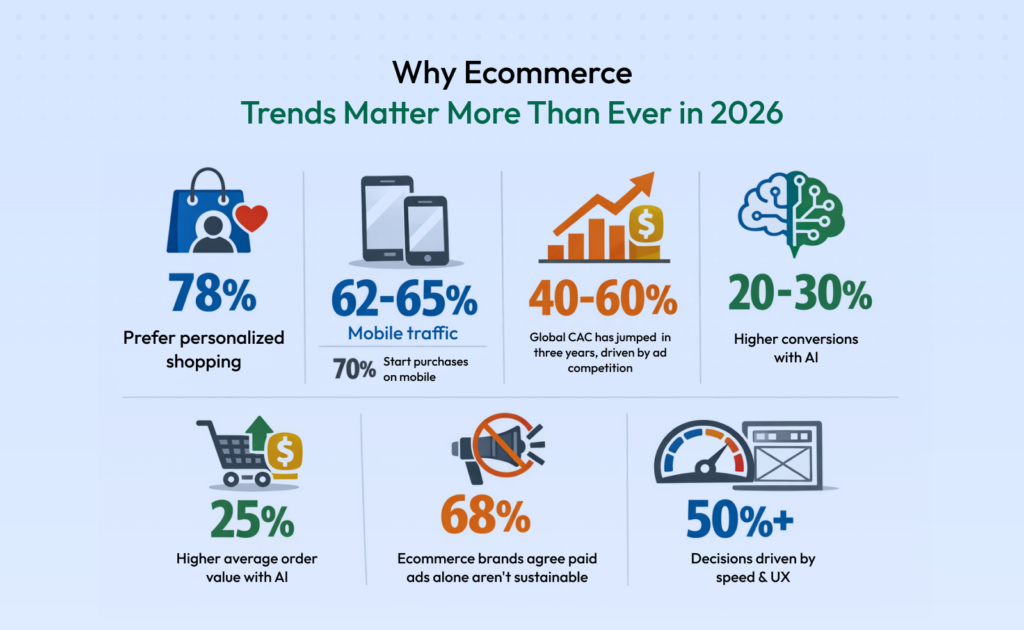
AI-powered tools can help shoppers discover products, compare options, find recommendations, and navigate large product catalogs. Instead of spending hours searching for exactly what they want, consumers can increasingly describe what they’re looking for in more natural language.

For example, someone might search for “comfortable shoes for walking and travel” rather than entering a specific product name.
This shift could make online shopping feel more like having a personal shopping assistant.
2. Personalization Is Getting Smarter
Online stores have long recommended products based on browsing and purchasing history. But personalization is becoming increasingly sophisticated.
Shoppers may see recommendations influenced by their preferences, previous interactions, location, and shopping behavior.
When done well, personalization can make online stores feel less overwhelming by helping consumers discover products that are genuinely relevant to them.
The challenge for retailers is finding the balance between useful recommendations and an experience that feels intrusive.
3. Social Media Is Becoming a Shopping Destination
The line between social media and e-commerce continues to blur.
Consumers increasingly discover products through short-form videos, creators, reviews, tutorials, and social posts. Instead of actively searching for a product, shoppers may encounter it while scrolling through content.
This makes product discovery feel more organic and entertainment-driven.
For brands, it also means that engaging content can be just as important as traditional advertising when it comes to attracting attention.
4. Video Is Influencing Purchase Decisions
Photos remain essential, but video can show shoppers much more.
A short demonstration can reveal how a product looks in real life, how clothing moves, how furniture fits into a room, or how a beauty product is applied.
This additional visual information can help reduce uncertainty—particularly for products that are difficult to evaluate from static images alone.
5. Virtual Experiences Are Growing
Technology is also helping consumers visualize products before buying them.
Virtual try-ons and augmented-reality experiences allow shoppers to preview certain products in a more realistic context. For example, shoppers may be able to see how glasses look on their face or how a piece of furniture could appear in their home.
While these technologies aren’t available for every product or retailer, they represent an important direction for e-commerce.
6. Convenience Remains King
Despite all the technological developments, one of the biggest reasons people shop online hasn’t changed: convenience.
Consumers want simple navigation, multiple payment options, transparent delivery information, easy returns, and a checkout process that doesn’t feel unnecessarily complicated.

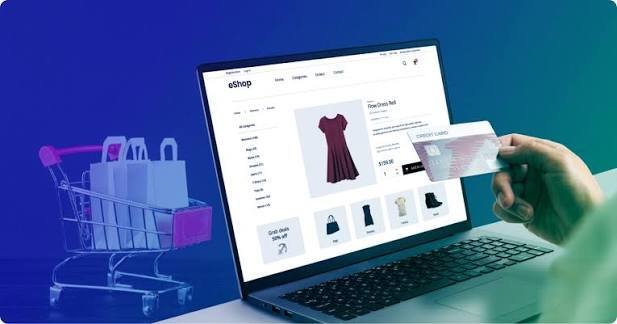
The smartest e-commerce innovations are often the ones that quietly make shopping easier.
7. Consumers Are Becoming More Conscious
Price and convenience still matter, but shoppers are increasingly paying attention to factors such as product quality, materials, brand values, packaging, and longevity.
This is particularly noticeable in categories such as fashion, beauty, food, and home goods.
Rather than simply asking, “How much does it cost?” consumers may also be asking, “Is it worth buying?”
8. Reviews Continue to Build Trust
Online shoppers can’t physically touch or test most products before purchasing. Reviews therefore remain one of the most important sources of reassurance.
Detailed customer feedback, photographs, ratings, and product demonstrations can help shoppers understand what a product is actually like beyond the marketing description.
Authentic experiences are becoming increasingly valuable in a crowded digital marketplace.
The Future of Shopping Is More Personal
E-commerce in 2026 is becoming more interactive, personalized, visual, and convenient.
AI can help shoppers discover products, social media can introduce them to new brands, video can demonstrate products, and virtual experiences can reduce uncertainty. At the same time, consumers continue to value something much simpler: trust.
Ultimately, the future of online shopping isn’t about replacing the human side of shopping with technology.
It’s about using technology to make discovering, evaluating, and buying the things we need—or simply love—feel easier, faster, and more enjoyable.