

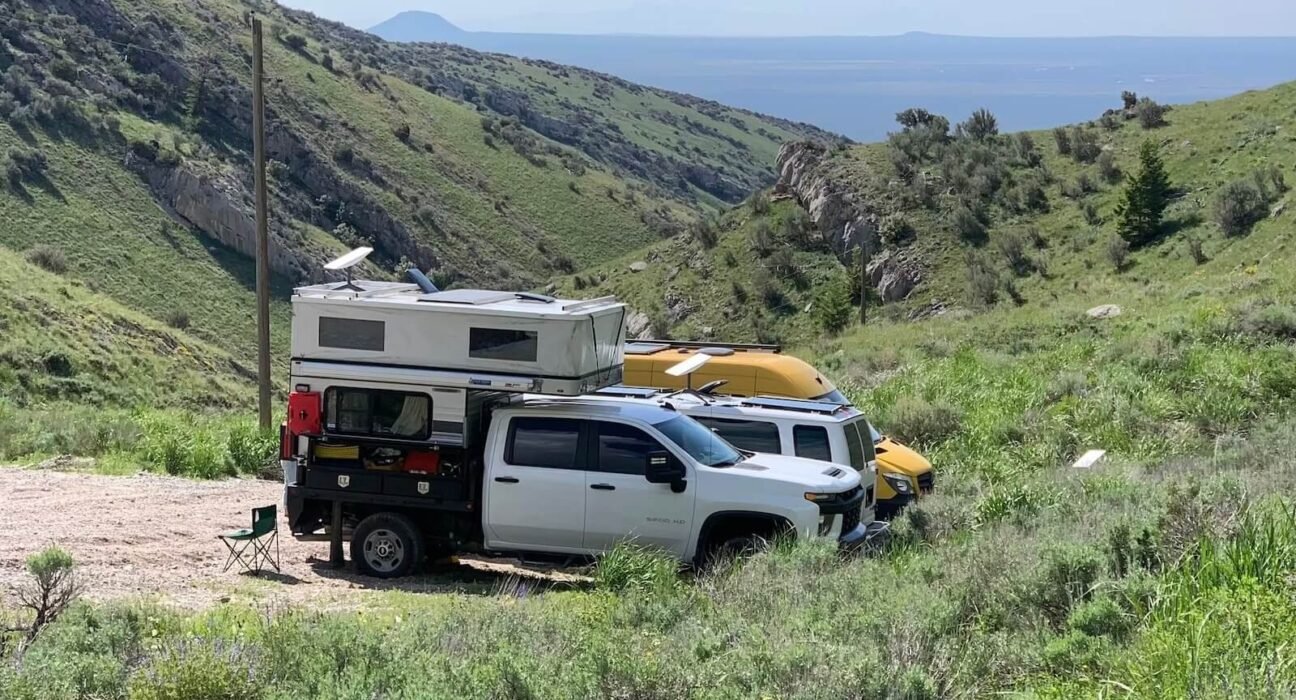
For decades, travelers venturing into the world’s most remote corners had to make a choice — adventure or connectivity. Mountain tops, deserts, islands, and far-flung rural areas often meant saying goodbye to the internet. But now, thanks to Starlink, that’s changing. The world’s most ambitious satellite internet project is rewriting what it means to travel off the grid — allowing explorers, digital nomads, and long-term travelers to stay connected wherever they roam.
What Is Starlink?
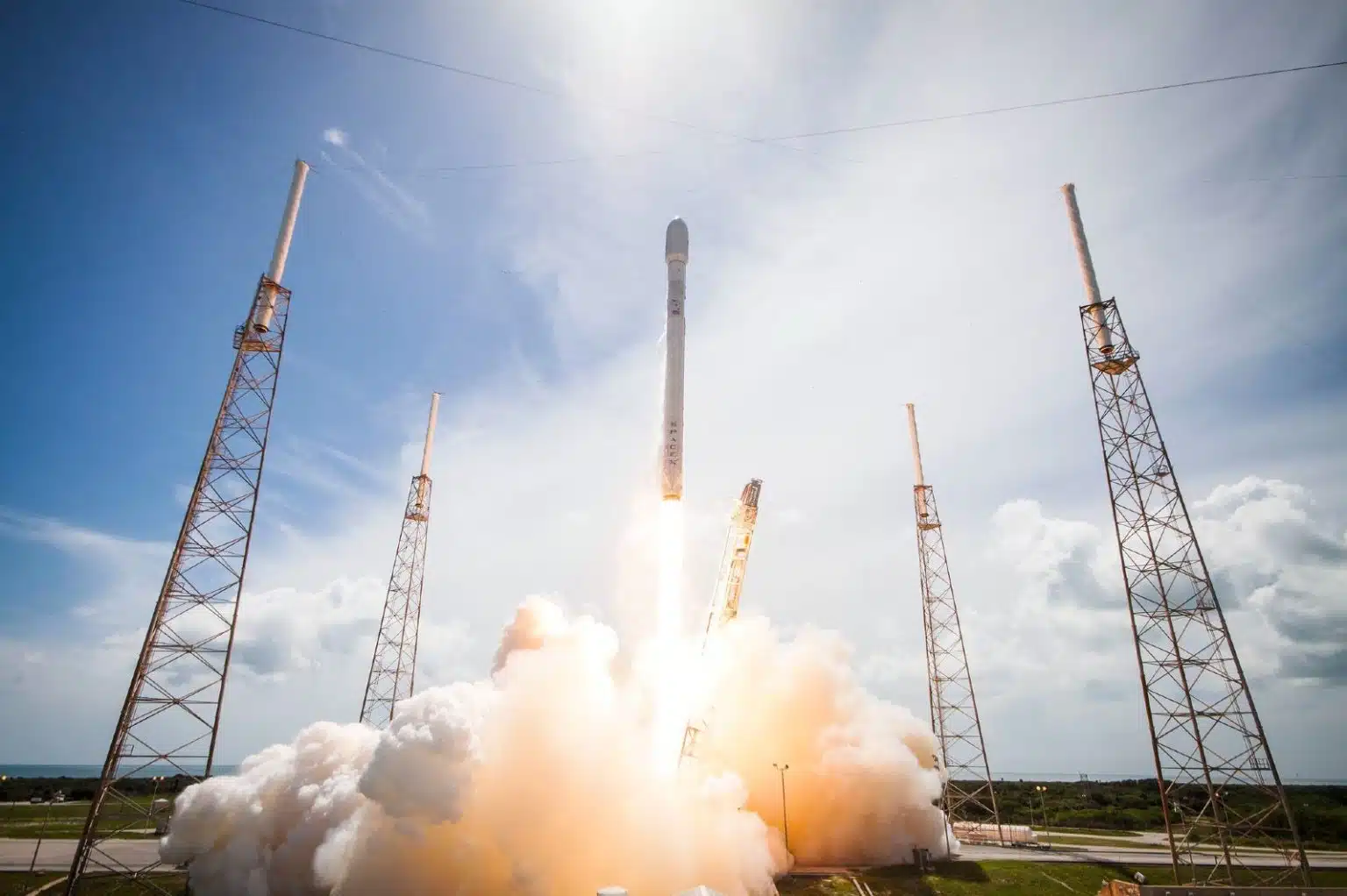
Starlink is a satellite internet network developed by SpaceX, the company founded by Elon Musk. Instead of relying on ground-based cables or cell towers, Starlink connects users via a constellation of thousands of small satellites orbiting the Earth in low Earth orbit (LEO).
This network provides high-speed, low-latency internet access to almost every corner of the planet — from the Arctic to the middle of the Pacific Ocean. It’s especially transformative for areas that have long been “dead zones” for traditional internet connections.
In simple terms: if you can see the sky, you can get online.
The Game-Changer for Remote Travel
For remote travelers, Starlink opens up an entirely new level of freedom. Imagine camping in the Himalayas, exploring Iceland’s highlands, or working from a cabin in the Australian outback — all while maintaining a stable internet connection.
Before Starlink, satellite internet was slow, expensive, and often unreliable. Traditional services like Inmarsat or HughesNet couldn’t deliver the speed needed for modern digital life. Starlink’s technology changes that, offering speeds that rival home broadband — typically 100–250 Mbps, with latency as low as 20–40 milliseconds.
This means remote travelers can now:
- Work remotely without worrying about signal loss.
- Stream videos, upload photos, and video call from almost anywhere.
- Navigate using real-time maps and stay updated on weather conditions.
- Stay safe and reachable in emergencies.
Starlink Roam: Internet on the Move
To make travel even easier, SpaceX introduced Starlink Roam — a plan designed specifically for travelers, van-lifers, and explorers. The portable kit includes a compact dish, router, and cables that can be set up in minutes.
Starlink Roam works anywhere the service is available, and it can even be used on boats or RVs with Starlink Maritime and Starlink Mobility options. For full-time travelers or remote workers on the go, it’s a reliable way to maintain internet access without depending on local providers.
Whether you’re driving across continents or sailing between islands, Starlink ensures you’re never disconnected from the rest of the world.
Empowering Digital Nomads
The rise of digital nomadism has created a global movement of professionals who work online while exploring new places. But reliable Wi-Fi has always been the biggest challenge.
With Starlink, digital nomads can now live and work from anywhere — whether it’s a mountain village in Peru, a beach in Indonesia, or the Mongolian steppe. The idea of needing to stay near a city for decent internet is fading fast.
This also opens up opportunities for rural communities to attract new types of visitors — remote workers seeking peace, nature, and adventure without sacrificing connectivity.
Helping Local Communities
Starlink isn’t just transforming travel — it’s also helping remote communities thrive. In many parts of Africa, South America, and Asia, traditional broadband infrastructure has been too expensive or difficult to install.
Now, with Starlink, schools, hospitals, and small businesses in these areas can access high-speed internet for the first time. This has enormous potential for education, telemedicine, and economic development.
As tourism returns to remote regions, travelers and locals alike benefit from better communication, navigation, and digital access.
Challenges and Limitations
Of course, Starlink isn’t perfect yet. The equipment cost (around $500–$600 for the kit) and monthly subscription fee can be expensive for some travelers. Additionally, power access is needed to run the dish and router — something not always available in wilderness areas.
Coverage continues to expand, but some regions are still awaiting service approval or signal improvements. And like all satellite systems, Starlink’s performance can be affected by weather, obstructions, or heavy network traffic.
Still, for many travelers, the trade-off is well worth it.
The Future of Global Connectivity
As SpaceX continues to launch more satellites — with a goal of over 40,000 in orbit — coverage and performance will only improve. Future versions of Starlink are expected to offer faster speeds, smaller equipment, and even mobile integration for smartphones.
For travelers, that means a world where “no service” zones become a thing of the past.
Final Thoughts
Starlink is redefining the way we experience remote travel. It’s no longer about choosing between adventure and connectivity — you can now have both. From digital nomads to explorers, it empowers people to stay connected while embracing the planet’s most breathtaking and isolated destinations.
Whether you’re hiking in Patagonia or sailing across the Caribbean, the stars above might just be your Wi-Fi signal — thanks to Starlink.






Leave feedback about this