

In a world that often demands speed and productivity, a relaxing yoga session focused on deep stretching offers a chance to slow down and reconnect with your body. Unlike fast-paced workouts, deep stretch yoga emphasizes gentle movements, long-held poses, and mindful breathing. The goal is not to push yourself to extremes but to release tension, improve flexibility, and create a sense of calm that lasts long after the session ends.
Why Deep Stretch Yoga Matters
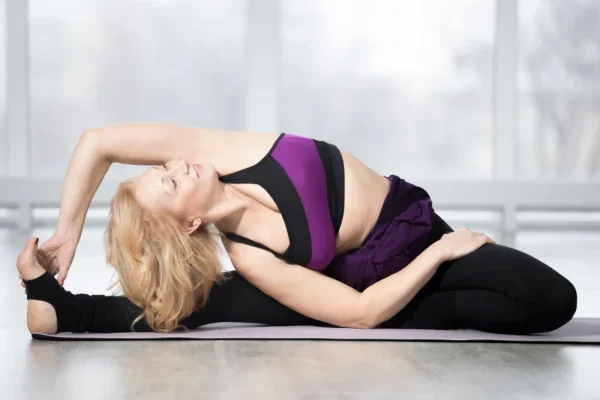
Deep stretch yoga, often inspired by restorative or yin practices, works on the body’s connective tissues rather than just the muscles. Holding poses for longer periods allows tight areas — such as hips, hamstrings, shoulders, and lower back — to gradually open. This slow approach helps reduce stiffness caused by long hours of sitting, repetitive movements, or daily stress.
Mentally, deep stretching encourages relaxation. When movements are slow and intentional, the nervous system shifts toward a calmer state. This can lower stress levels, improve focus, and even enhance sleep quality.
Preparing Your Space and Mind
Before starting your session, create a peaceful environment. Choose a quiet area with enough room to move freely. Soft lighting, calming music, or natural sunlight can enhance the relaxing atmosphere. Yoga props such as blankets, bolsters, or blocks are helpful for supporting the body during longer holds.
Begin by sitting comfortably and taking a few deep breaths. Inhale slowly through your nose and exhale gently, allowing your shoulders to drop. This initial pause signals your mind to shift away from daily worries and toward the present moment.
Gentle Warm-Up to Ease Into Stretches
Start with light movements that awaken the body without strain. Simple neck rolls, shoulder circles, and gentle spinal twists help increase circulation and prepare muscles for deeper stretches. A few rounds of slow cat-cow movements can warm up the back and encourage mindful breathing.
The goal of this warm-up is not intensity but awareness. Pay attention to how your body feels and move at a pace that feels comfortable.
Deep Stretch Poses to Try
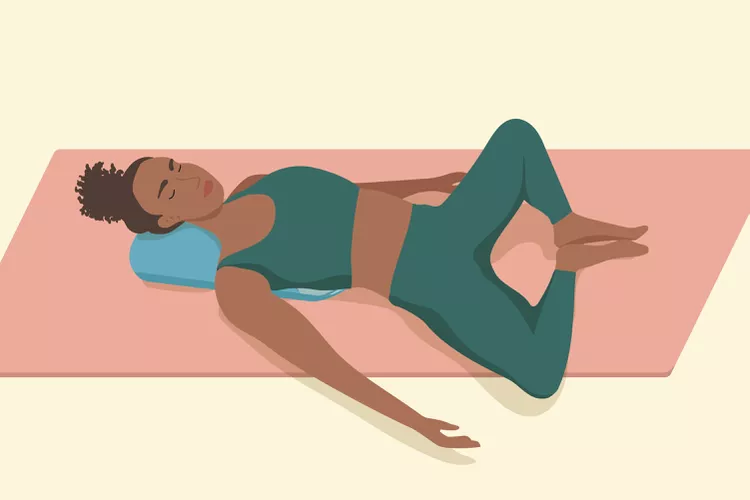
Once your body feels ready, transition into longer-held poses. A seated forward fold gently stretches the hamstrings and lower back while encouraging relaxation. A low lunge with support under the knee can open the hips and thighs. Reclined twists release tension along the spine, while child’s pose provides a restful stretch for the back and shoulders.
Hold each pose for one to three minutes, focusing on slow, steady breathing. If you feel discomfort rather than a gentle stretch, ease out slightly or use props for extra support. The goal is softness, not strain.
The Power of Breath and Stillness
Breath plays a central role in deep stretch yoga. Slow inhalations create space within the body, while long exhalations encourage muscles to release tension. Some practitioners find it helpful to imagine their breath flowing into tight areas, helping them soften over time.
Moments of stillness are equally important. Instead of rushing from pose to pose, allow yourself to settle fully into each stretch. This quiet time can feel meditative, helping you become more aware of subtle sensations and emotional shifts.
Ending With Relaxation
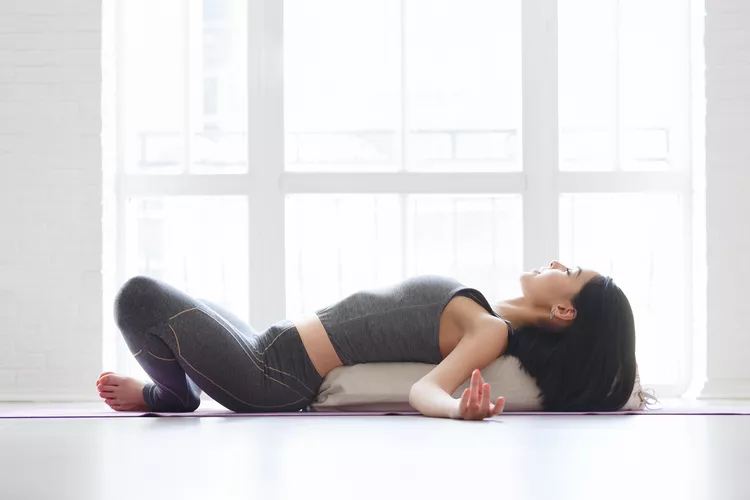
After completing your stretches, take a few minutes to rest in a comfortable lying position. Close your eyes and allow your body to absorb the benefits of the practice. This final relaxation phase, often called savasana, helps integrate physical release with mental calm.
Focus on the natural rhythm of your breath and notice any changes in how your body feels — perhaps lighter, warmer, or more relaxed.
Benefits Beyond the Mat
Regular deep stretch yoga sessions can improve flexibility, posture, and mobility over time. They may also reduce muscle soreness and help prevent injury by keeping joints supple and balanced. Beyond the physical advantages, many practitioners find that this gentle form of yoga fosters patience, mindfulness, and emotional resilience.
Making It a Sustainable Habit
You don’t need a long or complicated routine to experience the benefits. Even a 20–30 minute session a few times a week can make a noticeable difference. Listen to your body, adjust poses as needed, and approach each practice with curiosity rather than expectation.
A relaxing yoga session focused on deep stretch is more than just exercise — it’s a form of self-care. By slowing down, breathing deeply, and moving gently, you create space to release both physical tension and mental stress. Over time, this simple yet powerful practice can help you feel more balanced, flexible, and connected to yourself — both on and off the mat.






Leave feedback about this