


Video games aren’t just about mechanics and storytelling — they are carefully crafted emotional experiences. From the calming blues of a peaceful landscape to the pounding drums of a boss battle, developers use color, sound effects, and music as powerful tools to influence how players feel. These elements work together to guide reactions, build immersion, and create unforgettable moments that stay with players long after the game ends.
The Psychology of Color in Games
Color is often the first emotional signal players receive when entering a game world. Warm colors like red, orange, and yellow tend to create excitement, urgency, or danger. Cool tones such as blue and green can evoke calmness, mystery, or sadness. Bright and saturated palettes may feel playful and energetic, while darker tones often signal tension or fear.
Game designers carefully choose color schemes to shape player expectations. For example, peaceful farming and life simulation games frequently use soft pastel palettes to encourage relaxation, as seen in titles like Animal Crossing: New Horizons. On the other hand, atmospheric games such as Journey rely on shifting colors to communicate emotional progression without heavy dialogue.
Color also guides gameplay. Red lights might signal danger zones, glowing green objects may represent health or safety, and muted tones can indicate hidden or secret areas. Even subtle changes in lighting — like a sunset fading into darkness — can signal emotional transitions in a story.
Sound Effects: The Invisible Emotional Layer
While color sets the visual mood, sound effects bring the world to life. Footsteps echoing in an empty hallway can create tension, while the gentle rustle of leaves can feel calming and immersive. Sound design often works subconsciously, influencing how players react before they even realize it.
Horror games are particularly famous for using sound to manipulate emotions. Sudden loud noises or eerie background sounds increase anxiety and anticipation. Meanwhile, cozy or casual games rely on soft ambient audio — birds chirping, waves crashing, or wind blowing — to create relaxing environments.
Sound also provides feedback that reinforces player actions. The satisfying “click” of a completed puzzle or the triumphant chime after a victory strengthens feelings of accomplishment. Without these audio cues, many game mechanics would feel less rewarding or impactful.
Music: The Emotional Heartbeat of Gameplay
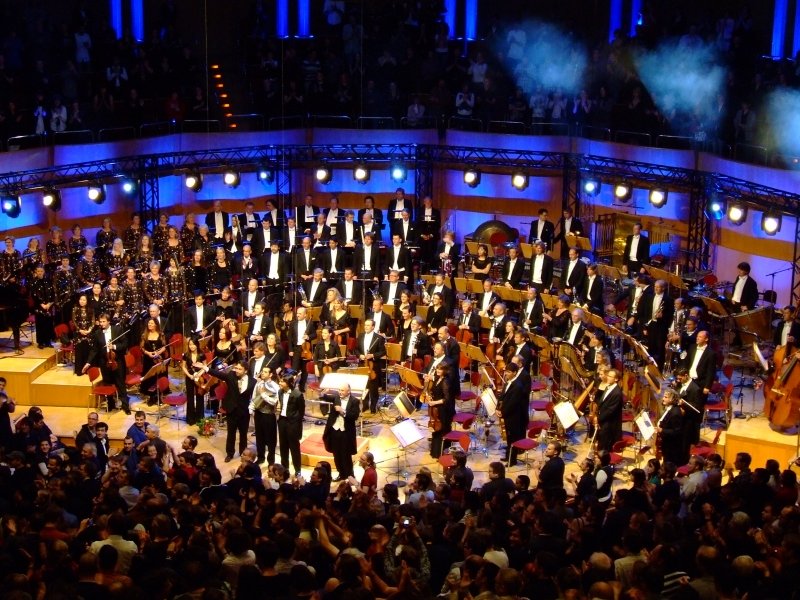
Music is perhaps the most powerful emotional tool in gaming. A strong soundtrack can turn a simple scene into a deeply moving experience. Fast-paced rhythms elevate adrenaline during action sequences, while slow piano melodies can make reflective moments feel personal and emotional.
Consider the sweeping orchestral score of The Legend of Zelda: Breath of the Wild, which uses subtle music during exploration to enhance a sense of wonder and solitude. In contrast, games like Undertale use dynamic musical themes that change depending on player choices, creating a strong emotional connection to characters and storylines.
Modern games often use adaptive music systems that shift based on gameplay. As enemies approach, music intensifies; when players reach safety, the soundtrack softens. These transitions happen seamlessly, helping players feel emotionally synchronized with the action.
The Power of Combined Sensory Design
The real magic happens when color, sound, and music work together. Imagine entering a dark cave: the screen turns cool and shadowy, distant echoes bounce through the environment, and a low, ominous melody begins to play. Even before anything happens, players feel tension and anticipation.
Developers often design entire scenes around emotional arcs. A bright sunrise with uplifting music might signal hope, while a sudden shift to darker visuals and dissonant sound can foreshadow danger. These sensory cues guide players through emotional journeys without relying solely on dialogue or narration.
Emotional Design and Player Connection
Games that master sensory design create stronger bonds with players. Emotional engagement encourages empathy for characters, deeper immersion in the story, and memorable gameplay experiences. When a soundtrack triggers nostalgia or a color palette makes a scene feel comforting, players become more invested in the virtual world.

Developers also consider cultural associations with color and sound. Certain musical instruments or color combinations may carry specific emotional meanings depending on cultural context, allowing designers to communicate feelings across global audiences.
Looking Ahead: The Future of Emotional Game Design
As technology advances, emotional design in gaming is becoming more sophisticated. Virtual reality adds spatial audio and immersive lighting, while artificial intelligence can adapt music and visuals based on player behavior or emotional responses. Future games may even analyze biometric data to adjust color schemes or soundtracks in real time, creating deeply personalized experiences.
Ultimately, color, sound, and music are more than decorative elements — they are storytelling tools that shape how players feel and remember games. By blending visual and auditory design, developers create worlds that resonate emotionally, transforming gameplay into a powerful sensory journey where every note, shade, and sound tells part of the story.






Leave feedback about this