

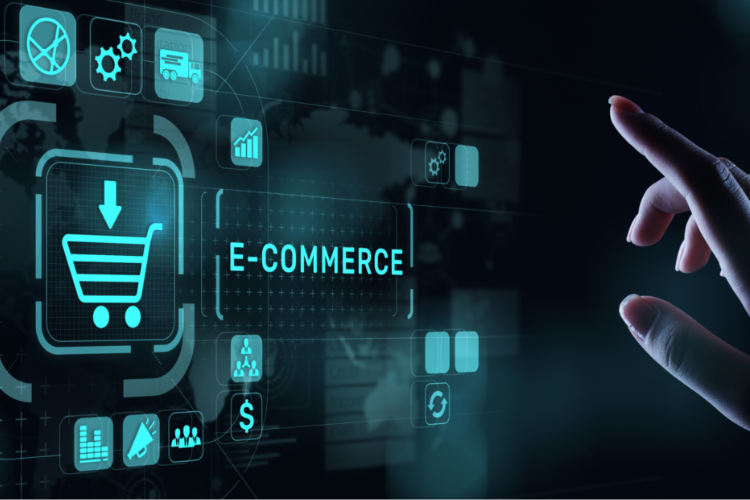
E-commerce has transformed the way people buy and sell products. What once started as a convenience has now become a necessity, with millions of consumers preferring online shopping over traditional retail.
As technology continues to evolve, e-commerce is not just growing—it’s reshaping the entire retail landscape.
What is E-commerce?
E-commerce (electronic commerce) refers to buying and selling goods or services over the internet. It includes everything from small online stores to large global marketplaces.
Common types of e-commerce models include:

- B2C (Business to Consumer): Online stores selling directly to customers
- B2B (Business to Business): Transactions between businesses
- C2C (Consumer to Consumer): Platforms where individuals sell to each other
- D2C (Direct to Consumer): Brands selling directly without intermediaries
Each model plays a key role in the digital economy.
Why E-commerce is Growing Rapidly
The rise of e-commerce is driven by several factors:
- Increased smartphone and internet usage
- Convenience of shopping anytime, anywhere
- Wide variety of products and easy comparison
- Fast delivery and flexible payment options
Consumers today value speed, convenience, and choice, all of which e-commerce provides.
Key Trends Shaping E-commerce
1. Mobile Commerce (M-commerce)
More people are shopping through mobile devices, making mobile-friendly websites and apps essential.
2. AI & Personalization
Online stores now use artificial intelligence to recommend products based on user behavior and preferences.
3. Social Commerce
Platforms like social media are becoming shopping hubs, allowing users to buy products directly.
4. Fast & Flexible Delivery
Same-day and next-day delivery options are becoming more common, improving customer satisfaction.
5. Sustainable Shopping
Consumers are increasingly choosing eco-friendly products and brands.
Benefits of E-commerce
E-commerce offers advantages for both businesses and customers:
For Customers:
- Easy access to a wide range of products
- Competitive pricing
- Convenience and time-saving
- Reviews and ratings for better decisions
For Businesses:
- Global reach
- Lower operational costs
- Data-driven decision making
- Opportunities for scaling quickly
Challenges in E-commerce
Despite its growth, e-commerce comes with challenges:
- High competition
- Trust and security concerns
- Managing returns and logistics
- Maintaining customer loyalty
Businesses must constantly adapt to stay competitive in this fast-moving space.
Tips for Success in E-commerce
Whether you’re a shopper or a seller, these tips can help:
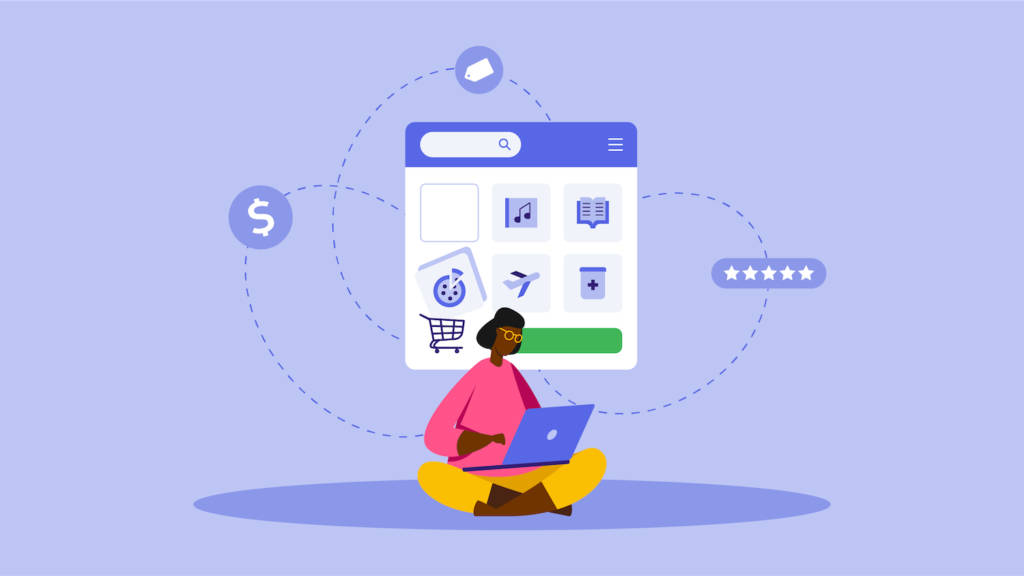
For Shoppers:
- Compare prices before buying
- Check product reviews and ratings
- Use secure payment methods
- Be aware of return policies
For Sellers:
- Focus on customer experience
- Optimize website speed and design
- Use digital marketing strategies
- Provide clear product information
The Role of Technology
Technology is at the heart of e-commerce. From payment gateways to inventory management systems, digital tools make online business efficient and scalable.
Innovations like AI, automation, and data analytics are helping businesses deliver better, faster, and more personalized experiences.





Leave feedback about this