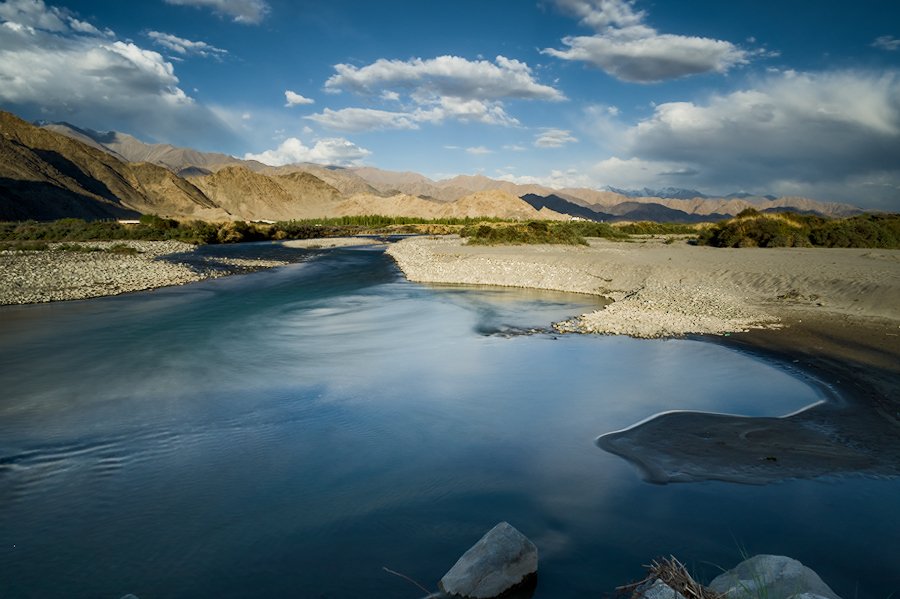
Some destinations feel like crossroads—not just geographically, but culturally. Dunmira Crossing, a vibrant riverside city in the heart of central Ardava, is one such place. Built at the confluence of three winding rivers, the city has been a gathering point for merchants, musicians, storytellers, and travelers for more than a thousand years. Today, Dunmira remains a living tapestry of cultures, its traditions shaped by every person who has ever passed through its gates.
The first thing you notice about Dunmira Crossing is the soundscape: water flowing beneath stone bridges, merchants singing rhythmic market calls, street performers plucking spirited melodies on handmade instruments. It is a city in constant conversation with itself. The rivers act not only as natural boundaries but as cultural veins, carrying influences from the northern hills, the western coast, and the desertlands farther south.
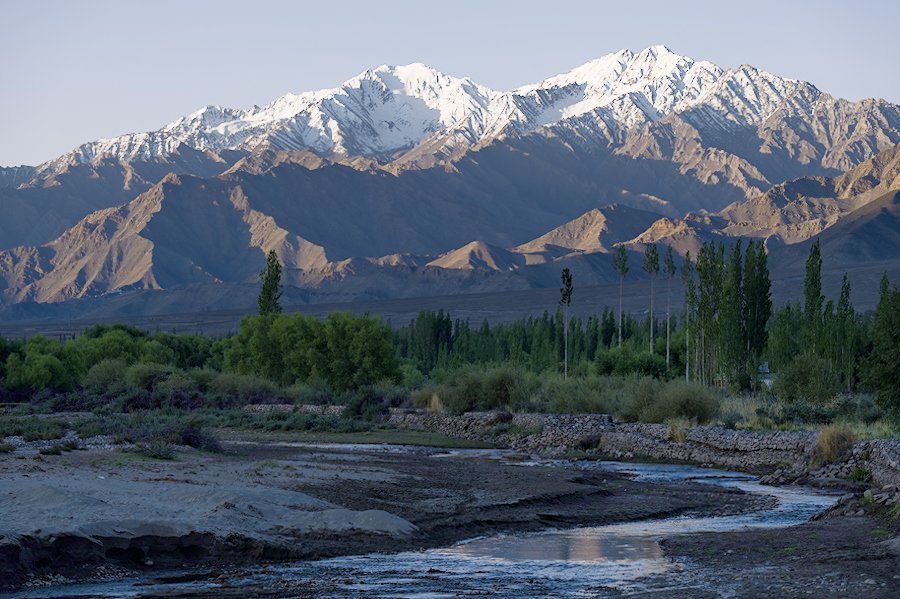
Your journey begins at The Triad Bridges, architectural marvels that connect the old quarters to the newer districts. Each bridge is adorned with carvings reflecting the heritage of the communities that built them—spiral sun motifs, intricate knotwork, and animal symbols believed to protect the flow of life. Locals say the bridges hold the “memory of footsteps,” a poetic way of expressing the generations of people who have crossed them.
From the bridges, wander into Harborwind Market, a bustling, colorful maze of stalls. This is the heart of Dunmira’s cultural fusion. Northern traders sell hand-woven wool cloaks dyed in earthy tones, while desert artisans offer bright glass beads and copper jewelry etched with geometric patterns. Central Ardavan potters display bowls glazed in shades inspired by the rivers—deep green, pale gray, and sky blue. The air is thick with aromas: spiced rice, roasted chickpeas, citrus cakes, and herbal stews simmering in clay pots.
For a deeper look into Dunmira’s artistic legacy, head to the House of Echoes, a cultural center housed in an old riverside mansion. Inside, you’ll find three floors dedicated to the performing arts traditions of the region. Visitors can watch rehearsals of River Steps, a dance style characterized by fluid arm movements and rhythmic foot tapping that mimics the flow of water. There’s also the River Reeds ensemble, a musical group that uses flutes made from reeds harvested along the banks. Their harmonies are soft, haunting, and unforgettable.
One of the city’s most treasured traditions is The Lantern Chorus, a cultural ritual held every second evening along the River Sarya. Locals gather with paper lanterns painted in motifs representing their family lineage—waves, moons, leaves, and spirals. As the sun dips, a storyteller stands on a stepped platform and narrates ancient myths of the rivers’ creation while participants light their lanterns. Once the tale ends, hundreds of lanterns are released into the river, drifting like drifting galaxies on the dark water. It’s not just beautiful—it’s deeply symbolic, celebrating unity, ancestry, and the continual flow of culture.
Food in Dunmira is an experience in itself. At The Willow Hearth Inn, meals are served in traditional style: community tables where strangers become conversation partners. The city’s signature dish, river-herb pilaf, blends influences from all three regions—aromatic spices from the south, wild herbs from the northern forests, and a slow-cooked preparation style borrowed from the central plains. Don’t miss the dessert known as “Flow Cakes,” delicate pastries filled with berry syrup and shaped like miniature rivers winding around each other.
For handicrafts, visit Maker’s Row, a long stretch of old warehouses now converted into artisan studios. Here, you can watch ceramicists carve swirling patterns inspired by river currents, metalworkers forge ceremonial knives with ornate handles, and textile artists weave shawls using dyed threads that reflect the city’s multicultural essence. Many studios welcome travelers to participate in short workshops—perhaps weaving a small wall hanging or molding your own ceramic cup.

As the day cools, make your way to Stone Lantern Square, the social hub of evening life. Musicians gather here to play the lyrin harp, hand drums, and reed flutes. Couples dance, children chase each other between lantern poles, and elders sit outside tea stalls sipping honey-ginger tea. The atmosphere is warm, communal, and filled with laughter.
Before leaving, spend a morning at The Confluence Sanctuary, a tranquil garden built at the exact spot where the three rivers meet. Considered sacred in local belief systems, the sanctuary is a place of reflection. Travelers often write wishes or gratitude notes on biodegradable paper and release them into the water as a symbolic offering to the rivers that brought so many cultures together.
Dunmira Crossing is more than a destination—it’s an experience shaped by countless influences, traditions, and stories. It’s a place where cultures don’t just coexist; they blend, evolve, and celebrate one another. For travelers seeking a deeply immersive cultural journey, this riverside city offers a rare and memorable connection to the living heritage of an entire region.