
Breakouts can be frustrating, especially when you’re investing time and money into a skincare routine. Many people assume acne is caused only by hormones or diet, but everyday skincare habits can also trigger clogged pores, irritation, and recurring pimples. Sometimes, the products meant to improve your skin are actually making it worse.
Understanding these common mistakes can help you build a routine that supports clear, healthy skin instead of working against it.
Over-Cleansing Your Face
Washing your face too often is one of the most common skincare mistakes. Many people with oily or acne-prone skin cleanse multiple times a day, believing it will remove excess oil and prevent pimples.
In reality, over-cleansing can strip the skin’s natural protective barrier. When this barrier becomes damaged, the skin may produce even more oil to compensate, leading to clogged pores and increased breakouts.
For most people, cleansing twice a day—morning and night—is enough.
Using Harsh Scrubs
Physical scrubs with large or rough particles can create tiny tears in the skin and cause irritation. Aggressive exfoliation may temporarily make the skin feel smoother, but it can also increase redness, inflammation, and acne flare-ups.


Instead of harsh scrubs, consider gentler chemical exfoliants such as salicylic acid or lactic acid, and use them only as directed.
Skipping Moisturizer
A common myth is that oily or acne-prone skin does not need moisturizer. However, dehydrated skin can become irritated and may produce additional oil, which can contribute to breakouts.
Choose a lightweight, non-comedogenic moisturizer that hydrates without clogging pores. Ingredients such as hyaluronic acid, glycerin, and ceramides are excellent options for many skin types.
Applying Too Many Active Ingredients
Retinol, vitamin C, salicylic acid, benzoyl peroxide, glycolic acid, niacinamide—the skincare world is full of powerful ingredients. The mistake happens when people use several strong actives at the same time without understanding how they interact.
Overloading the skin with active ingredients can damage the skin barrier, causing redness, peeling, sensitivity, and acne-like irritation.
Introduce new products gradually and give your skin time to adjust before adding another active ingredient.
Not Removing Makeup Properly
Sleeping with makeup on is a classic breakout trigger. Foundation, concealer, sunscreen, and other products can mix with oil, sweat, and environmental pollutants, creating the perfect environment for clogged pores.
A thorough nighttime cleanse is essential. If you wear heavy makeup or water-resistant sunscreen, consider double cleansing with an oil-based cleanser followed by a gentle water-based cleanser.
Touching Your Face Frequently
Your hands come into contact with phones, keyboards, door handles, and countless other surfaces throughout the day. Constantly touching your face transfers bacteria, oil, and dirt onto the skin.

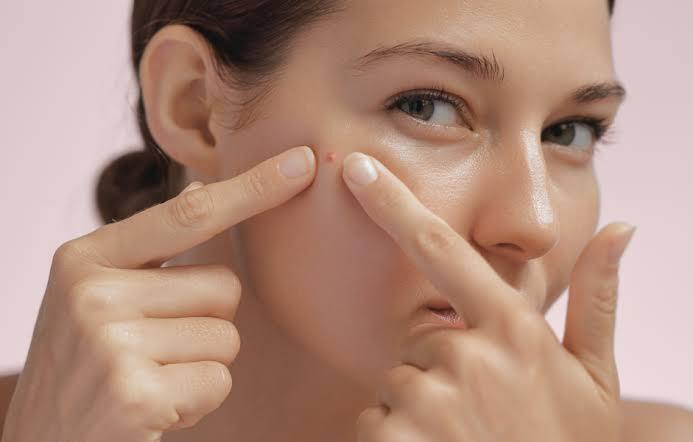
This habit can worsen existing breakouts and contribute to new ones, especially around the chin and jawline. Try to be mindful of face-touching and clean your phone regularly.
Ignoring Sunscreen
Many people avoid sunscreen because they think it feels greasy or causes pimples. However, skipping sunscreen can lead to inflammation, post-acne marks, and long-term skin damage.
The key is choosing the right formula. Look for non-comedogenic, oil-free sunscreens designed for acne-prone skin. Gel or lightweight fluid textures are often more comfortable for oily skin types.
Changing Products Too Frequently
Skincare trends move quickly, and it’s tempting to try every viral product. Unfortunately, constantly switching products makes it difficult to identify what is helping or harming your skin.
Most skincare products need several weeks to show noticeable results. Give a new product at least 4–6 weeks unless it causes severe irritation or an allergic reaction.
Using Dirty Pillowcases and Towels
Even the best skincare routine can be undermined by poor hygiene habits. Pillowcases collect oil, sweat, hair products, and bacteria, while damp towels can become breeding grounds for microorganisms.
Change pillowcases at least once or twice a week and use a clean towel specifically for your face.
Popping Pimples
Squeezing pimples may seem satisfying, but it often pushes bacteria and inflammation deeper into the skin. This can lead to larger breakouts, scarring, and dark marks that take months to fade.
Instead, use spot treatments containing benzoyl peroxide or salicylic acid, and allow the blemish to heal naturally.
Final Thoughts
Clear skin is not just about using expensive products—it’s about avoiding habits that quietly contribute to breakouts. Over-cleansing, harsh exfoliation, skipping moisturizer, mixing too many active ingredients, and neglecting hygiene can all interfere with your skin’s ability to heal.
The best approach is a simple, consistent routine built around gentle cleansing, proper hydration, sun protection, and patience. When in doubt, remember that healthy skin usually responds better to balance than to aggressive treatment. Small changes in your daily habits can make a surprisingly big difference in reducing breakouts and achieving calmer, clearer skin over time.