

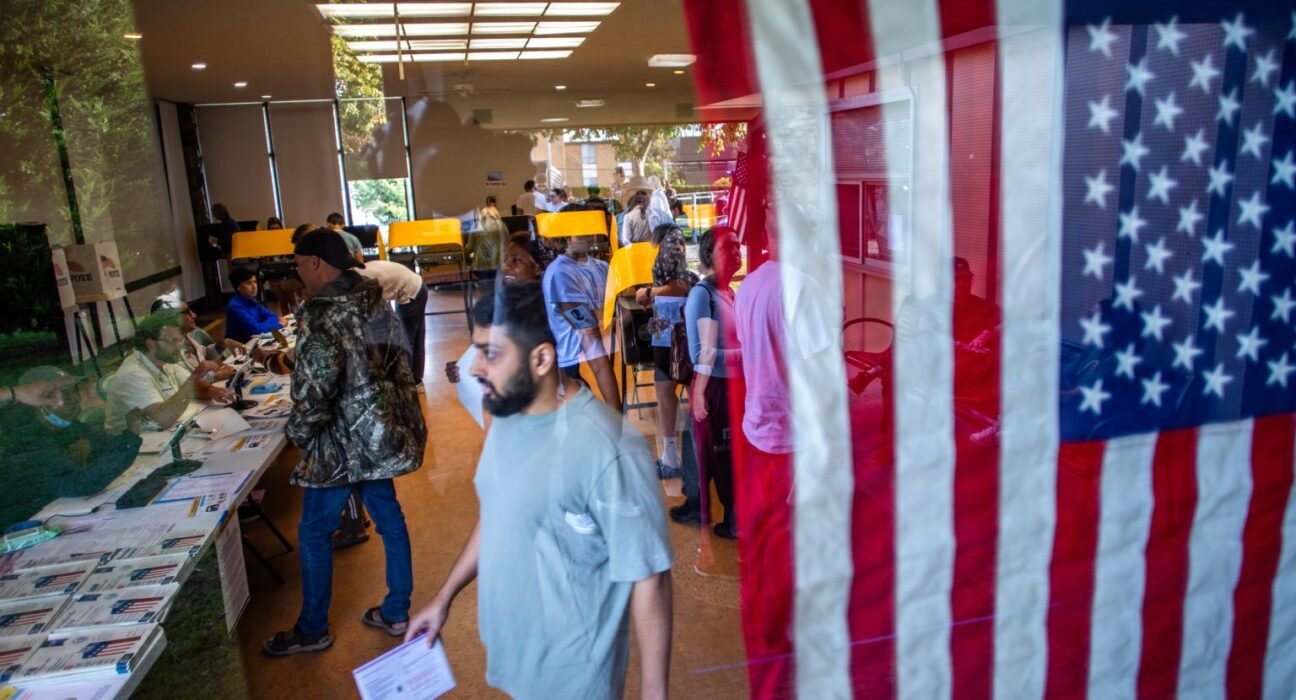
Elections are no longer just domestic political events. In an interconnected world driven by trade, security alliances, climate agreements, and digital economies, election cycles in key countries can significantly influence global policy direction. When major powers head to the polls, markets react, diplomatic strategies shift, and international organizations prepare for possible changes in leadership and ideology.
From economic policy to climate commitments, the ripple effects of elections are felt far beyond national borders.
The United States: A Global Policy Bellwether
As one of the world’s largest economies and a central player in global diplomacy, the United States holds enormous influence over international policy. Presidential and congressional elections often determine the country’s stance on trade agreements, military alliances, immigration, and environmental regulations.

A shift in leadership can mean changes in foreign aid priorities, defense commitments within NATO, and approaches toward major competitors such as China and Russia. U.S. elections also influence global financial markets, as investors anticipate policy adjustments in taxation, regulation, and monetary strategy.
Because the U.S. dollar serves as a global reserve currency, political shifts in Washington frequently impact global trade flows and economic confidence.
India: Rising Influence in Global Affairs
As the world’s largest democracy and one of the fastest-growing major economies, India plays an increasingly important role in shaping regional and global discussions. Indian elections influence domestic economic reforms, digital innovation policy, and defense strategy in the Indo-Pacific region.
India’s approach to technology regulation, renewable energy expansion, and manufacturing partnerships has global implications. With its growing population and expanding middle class, policy continuity or change in New Delhi can affect supply chains, investment flows, and geopolitical alliances.
The European Union: Policy Through Collective Leadership
Elections across member states of the European Union can reshape the bloc’s overall policy direction. While the EU operates as a union, national elections in influential countries such as Germany and France often steer broader regional agendas.
Issues like climate regulation, trade tariffs, digital privacy laws, and migration policy are frequently debated during election seasons. A surge in nationalist or pro-integration parties can alter Europe’s stance on global trade partnerships and environmental commitments.
Given the EU’s regulatory power, shifts in European political leadership often impact multinational corporations and international standards.
The United Kingdom: Post-Brexit Political Dynamics
Since leaving the European Union, the United Kingdom has carved its own path in trade and foreign policy. General elections determine how aggressively the UK pursues new trade agreements, defense cooperation, and financial sector reforms.
The country remains a major financial hub, and its policy shifts can influence currency markets and international banking regulations.
China: Leadership Decisions Beyond Elections
While China does not follow a Western-style multiparty electoral system, leadership transitions and party congresses significantly affect global policy direction. Decisions related to trade, technology exports, and geopolitical strategy often reverberate across continents.
China’s economic policies, infrastructure investments through global initiatives, and stance on regional security issues have direct consequences for emerging markets and developed economies alike.
Economic Markets React Quickly
Financial markets tend to respond immediately to election outcomes. Currency fluctuations, stock market volatility, and commodity price shifts often reflect investor expectations about regulatory or fiscal changes.
For example:
- Trade-friendly administrations may boost export-driven sectors.
- Climate-focused governments may accelerate renewable energy investments.
- Protectionist policies can disrupt global supply chains.
Investors and multinational corporations closely monitor election cycles to anticipate regulatory environments and adjust strategies accordingly.
Climate Policy and Global Agreements
Elections also shape international climate action. Countries that elect leaders prioritizing sustainability often strengthen commitments under global climate frameworks, while others may reconsider targets or timelines.
Because climate change requires collective action, domestic electoral outcomes can either accelerate or slow global environmental progress.
Technology and Digital Regulation
Another area influenced by elections is digital governance. Governments worldwide are debating data privacy laws, artificial intelligence regulations, and cybersecurity frameworks. Electoral outcomes determine whether countries adopt stricter oversight or more innovation-friendly policies.
Given the global nature of digital platforms, regulatory decisions in one country can set precedents internationally.
Why Election Cycles Matter Globally
In today’s interconnected landscape, no nation operates in isolation. Election results in influential countries shape trade agreements, military alliances, environmental commitments, and financial stability worldwide.
Political transitions bring new priorities, fresh negotiations, and sometimes dramatic policy reversals. For businesses, investors, and citizens alike, understanding global election cycles is essential to anticipating economic and diplomatic shifts.
Final Thoughts
Elections may begin as national decisions, but their consequences extend far beyond borders. Whether in the United States, India, Europe, the United Kingdom, or China, leadership changes can redefine global cooperation, competition, and progress.
As countries prepare for upcoming election cycles, the world watches closely. In an era defined by interdependence, ballots cast in one nation often help shape the direction of global policy for years to come.





Leave feedback about this