


Plastic pollution is one of the most pressing environmental issues of our time. It litters oceans, clogs waterways, and accumulates in landfills, posing a grave threat to wildlife and ecosystems worldwide. But beyond the visible damage, plastic pollution is now influencing something even more profound: the course of animal evolution itself.
Scientists are beginning to uncover how the widespread presence of plastic in natural habitats is forcing animals to adapt—sometimes in surprising and rapid ways. This unintentional experiment in evolution could have far-reaching consequences for biodiversity, ecosystems, and even human health.
How Plastic Pollution is Changing Animal Behavior
Plastic doesn’t biodegrade like natural materials; instead, it breaks down into smaller pieces called microplastics, which can be ingested by a wide range of animals. These plastics infiltrate the food chain from tiny plankton to large predators.
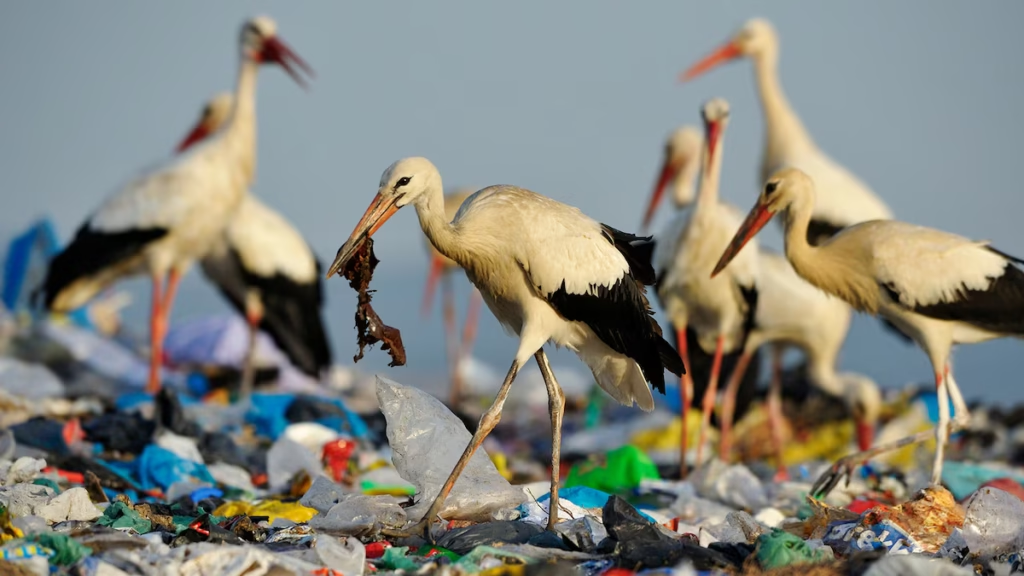
Some animals have started using plastic in their environments in unusual ways. For instance, seabirds and marine turtles often mistake plastic debris for food, leading to injury or death. But in some cases, animals are changing behaviors to survive in these new conditions. For example, certain fish have been observed feeding on plastic particles when their natural food sources decline due to habitat degradation.
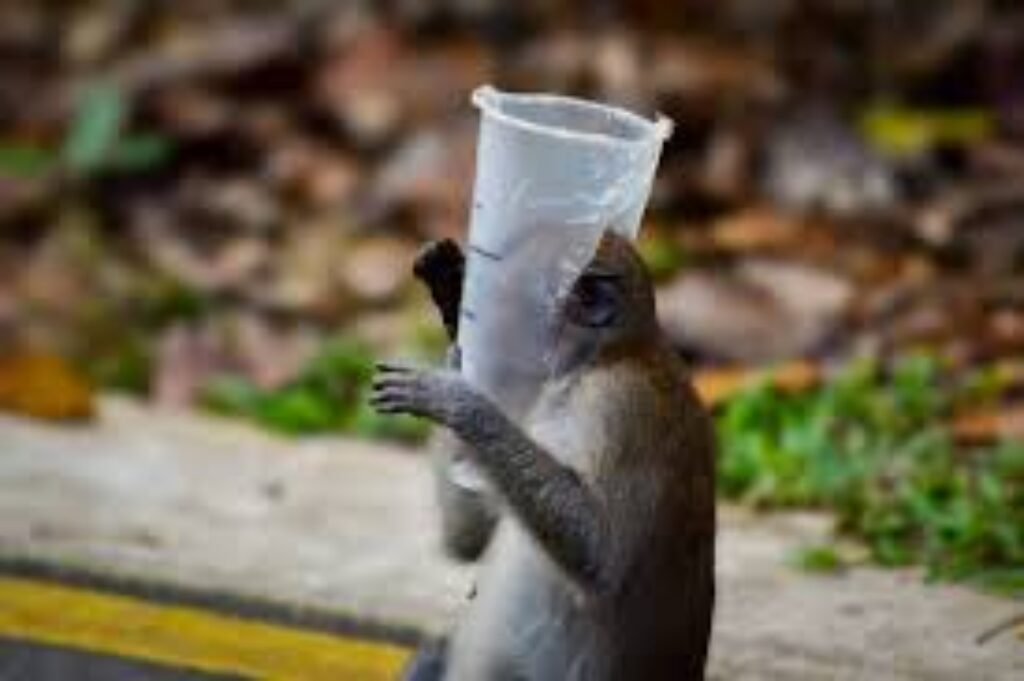
On land, some birds and mammals have incorporated plastic into their nests or shelters, altering traditional nesting materials. While this may seem resourceful, it can impact the survival of their offspring because plastic behaves differently than natural materials.
Evolutionary Pressure from Plastic
These behavioral changes are just the beginning. Over time, plastic pollution can create evolutionary pressure that favors animals better adapted to cope with plastic-laden environments.
Take the example of some marine species that have developed the ability to tolerate or even digest certain plastics or the chemicals associated with them. While rare, research is ongoing into microbes and invertebrates that can break down plastics, potentially paving the way for evolutionary pathways that incorporate these adaptations.
Similarly, animals that avoid or ignore plastic waste may have a survival advantage over those that do not, leading to shifts in population dynamics and traits. This kind of selective pressure can drive evolutionary changes, sometimes over surprisingly short periods.
Plastic Pollution’s Impact on Reproductive Success
One of the most significant ways plastic pollution affects evolution is through reproductive success. Animals that ingest plastic may suffer reduced fertility, developmental problems in offspring, or increased mortality rates.
For example, studies have shown that microplastics can accumulate in the tissues of fish and marine mammals, affecting their hormonal balance and reproductive systems. These effects can reduce the chances of successful reproduction, altering population structures over time.
Species that find ways to avoid these negative impacts—or even thrive despite them—may become more prevalent. This selection process influences the gene pool and can lead to evolutionary divergence.
The Hidden Consequences for Ecosystems
As animals evolve in response to plastic pollution, entire ecosystems may shift in unexpected ways. Changes in predator-prey relationships, species distributions, and community dynamics are all possible.
For instance, if a key species becomes less reproductive due to plastic exposure, the animals that depend on it may struggle, potentially causing cascading effects throughout the food web.
Additionally, species that thrive in plastic-polluted environments might outcompete others, reducing biodiversity. This loss of biodiversity can weaken ecosystems’ resilience to other stressors like climate change and habitat loss.
What Can We Do?
The idea that plastic pollution is driving animal evolution may sound alarming, but it also underscores the urgency of addressing this global crisis. Reducing plastic waste at its source, improving waste management, and supporting cleanup efforts are critical steps.
Innovative solutions like biodegradable plastics, improved recycling technologies, and public awareness campaigns can help slow the tide of pollution.
Moreover, supporting scientific research is essential to understanding how plastic pollution impacts wildlife and ecosystems. This knowledge can inform conservation strategies aimed at protecting vulnerable species and habitats.



Leave feedback about this