

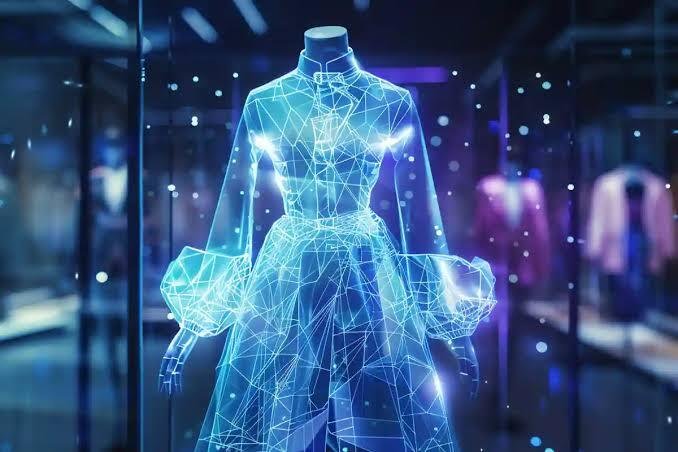
Fashion has always been shaped by creativity, culture, and changing consumer preferences. Today, technology is becoming an equally important influence. Artificial intelligence (AI) is transforming the fashion industry by helping brands understand customers, create designs, manage inventory, personalize shopping experiences, and even rethink how fashion is produced.
What once seemed like futuristic technology is increasingly becoming part of the everyday fashion ecosystem.
Predicting Fashion Trends
One of the most interesting applications of AI is trend forecasting. Fashion brands traditionally rely on designers, researchers, social media, runway shows, and consumer behavior to predict what shoppers will want next.
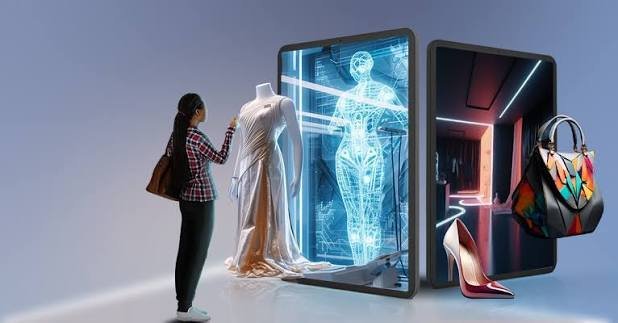
AI can analyze huge amounts of data from online searches, social media activity, shopping patterns, and digital content to identify emerging preferences. By recognizing patterns, AI can help brands anticipate popular colors, silhouettes, fabrics, and styles.
This allows companies to respond more quickly to changing consumer interests rather than relying entirely on traditional forecasting methods.
Helping Designers Create New Ideas
AI isn’t necessarily replacing designers. Instead, it can act as a creative assistant.
Designers can use AI-powered tools to explore different patterns, color combinations, garment shapes, and visual concepts. A single idea can be transformed into multiple variations, allowing designers to experiment more quickly.
This can reduce the time spent on repetitive creative tasks while giving designers more opportunities to refine their ideas and develop distinctive collections.
The human element remains essential because fashion is ultimately about emotion, culture, identity, and storytelling—areas where human creativity continues to play a central role.
Personalized Shopping Experiences
Have you ever noticed how online stores seem to understand what you might like? AI plays a major role in making this possible.
Fashion websites can use AI to analyze browsing history, previous purchases, preferences, and shopping behavior. Based on this information, platforms can recommend products that are more relevant to individual customers.
Personalized recommendations can make online shopping faster and more convenient. Instead of scrolling through hundreds of products, shoppers may receive suggestions that better match their personal style.
Virtual Styling and Fitting
AI is also changing how people try clothes online. Virtual styling tools can recommend outfits by combining different garments and accessories based on a customer’s preferences.
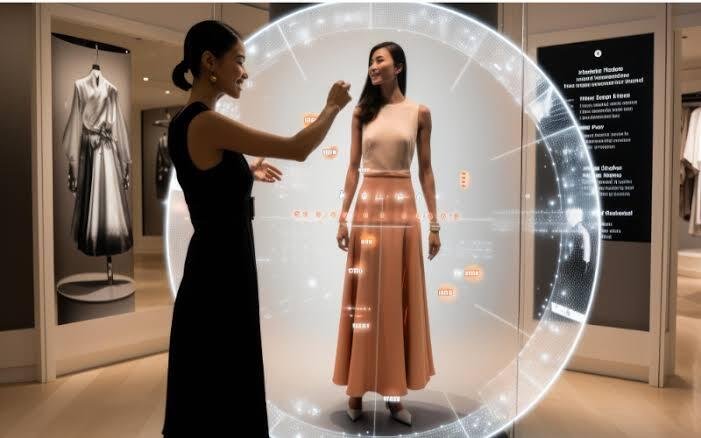
Virtual fitting technologies are another developing area. These tools can help shoppers visualize how particular garments might look on them before making a purchase.
While virtual fitting cannot completely replace physically trying on clothing, it has the potential to make online shopping more interactive and reduce uncertainty.
Smarter Inventory Management
Fashion brands often face a difficult challenge: producing enough products to meet demand without creating excessive unsold inventory.
AI can help businesses analyze historical sales, seasonal patterns, customer behavior, and current demand to make more informed inventory decisions.
Better forecasting can help brands avoid overproduction and improve the availability of products that customers actually want.
Supporting Sustainable Fashion
AI may also contribute to more sustainable fashion practices.
By improving demand forecasting and inventory management, AI can help reduce unnecessary production and waste. Technology can also assist brands in analyzing supply chains, identifying inefficiencies, and exploring more responsible production strategies.
However, AI alone cannot make fashion sustainable. Responsible materials, ethical manufacturing, recycling, and conscious consumer behavior remain equally important.
Improving Customer Service
AI-powered chatbots and virtual assistants are increasingly being used by fashion retailers to answer common questions about products, sizing, delivery, returns, and availability.
These tools can provide quick assistance at any time, while human customer service teams can focus on more complex issues that require personal attention.
The Future of AI in Fashion
The relationship between AI and fashion is likely to become even stronger as technology develops. From AI-assisted design and personalized styling to smarter production and virtual shopping experiences, artificial intelligence is changing almost every stage of the fashion journey.
At the same time, fashion cannot be reduced to data alone. Trends may be predicted by algorithms, but creativity, individuality, culture, and emotion continue to define what makes fashion meaningful.
Final Thoughts
AI is helping fashion become more personalized, efficient, and technologically advanced. It is giving designers new creative tools, helping brands understand consumers, improving online shopping, and potentially reducing waste.
The future of fashion is therefore unlikely to be purely human or purely technological. Instead, the most exciting possibilities may come from combining human creativity with AI’s ability to process information, identify patterns, and generate new possibilities.
In an industry built on constant change, AI may become one of fashion’s most influential tools—without taking away the imagination that makes fashion what it is.




Leave feedback about this