

For a long time, traveling across Germany meant choosing between the high-speed luxury of the national rail or the grueling hours of a cross-country drive. But as we move through 2026, the bright green fleet of Flix SE has fundamentally changed the math.
Whether you’re a student heading home for the weekend or a digital nomad exploring the Baltic coast, the combination of FlixBus and FlixTrain offers a level of flexibility and affordability that has made it the “people’s choice” for German transit. Here is the state of the green network today.
1. FlixTrain: The High-Speed Challenger
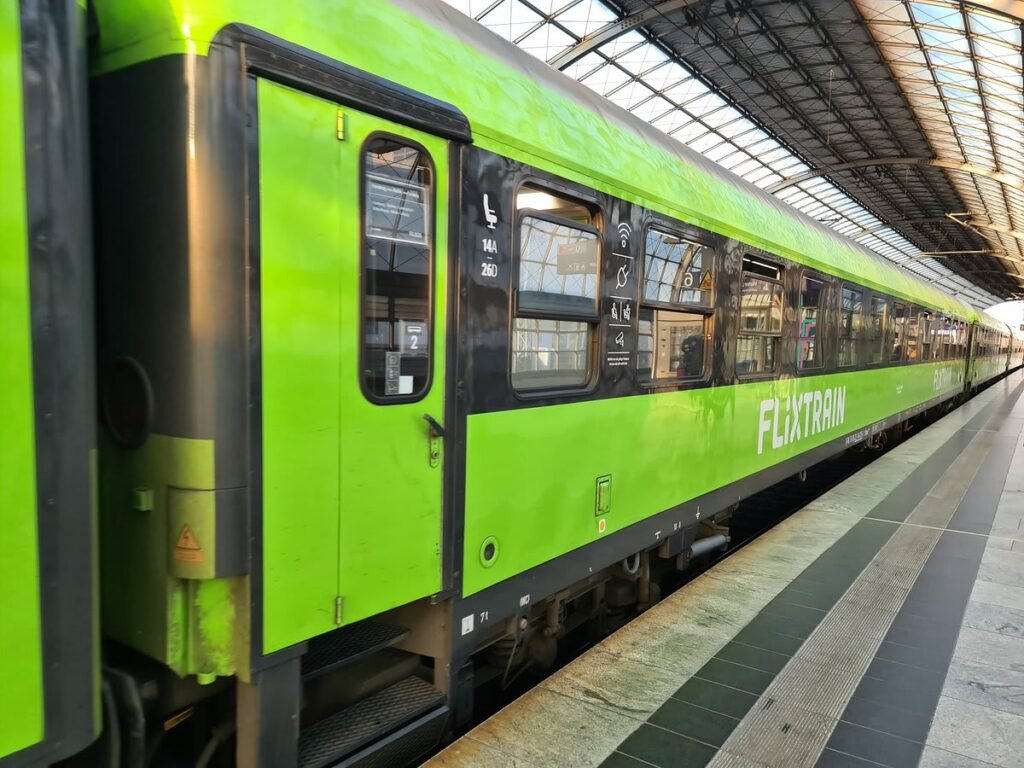
In 2026, FlixTrain is no longer just a “budget alternative”—it is a major long-distance network in its own right. While it has traditionally focused on refurbished carriages, the company has officially entered a new era.
- The Fleet Evolution: This year, FlixTrain has solidified its domestic focus, deploying its newly ordered high-speed trains exclusively within Germany. These units are designed for speeds up to 230 km/h, narrowing the gap with traditional express services.
- Modernized Comfort: The current fleet features air conditioning, superior legroom, and private power outlets at every seat. This is part of a massive push to supply the surging demand across Germany.
- Guaranteed Seating: Unlike other operators where a ticket doesn’t always equal a place to sit, every FlixTrain booking includes a guaranteed seat reservation at no extra charge.
2. FlixBus: Connecting the “Missing Middle”
While the trains handle the metropolitan hubs, the FlixBus network is the lifeblood of rural and mid-sized Germany.
- Expansive Reach: In 2026, the bus network reaches thousands of destinations in Germany that lack rail access. This is social sustainability in action, ensuring that residents in smaller towns aren’t dependent on private cars.
- Airport Integration: Following its investment in specialized airport-transfer platforms, FlixBus has significantly improved its shuttle services, making it the easiest way to get from a small village directly to Frankfurt, Munich, or Berlin airport.
- Onboard Amenities: Modern buses now feature reliable high-speed Wi-Fi, extra leg space, and expanded luggage allowances, making five-hour journeys feel significantly shorter.
3. The Digital “Super-App” Experience
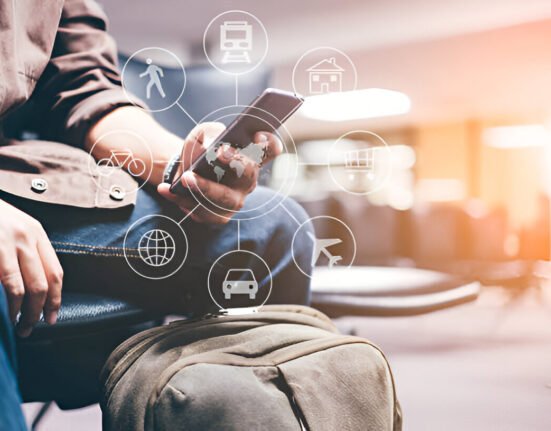
The real magic happens in the FlixBus & FlixTrain App. In 2026, the app has become a seamless travel assistant.
- Live Tracking: You can see exactly where your bus or train is in real-time, receiving push notifications about delays or platform changes before you even reach the station.
- Intermodal Booking: You can now book a “mixed” journey—taking a FlixBus from a small town to a hub like Berlin, then hopping on a FlixTrain to Cologne—all on a single digital ticket.
4. Sustainability: Driving Toward Net Zero
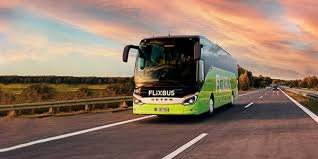
Flix SE has set ambitious goals to reach Net Zero by 2040 in Europe, and 2026 marks a major milestone in that journey.
- Clean Energy: Every FlixTrain in Germany currently runs on 100% renewable energy, making it one of the cleanest ways to cross the country.
- Fleet Innovation: On the roads, FlixBus is piloting over 120 coaches powered by alternative drive systems, including electric and biofuel hybrids. According to recent reports, traveling by coach rather than personal car can save up to 83% in CO2 emissions.
Final Verdict: Is it the Best Way to Travel?
If you are looking for the cheapest, most environmentally friendly way to see Germany, the answer is a resounding yes. While the national rail might offer slightly more “white-glove” amenities, the value proposition of Flix—with its dynamic pricing and vast network—is unbeatable.
Pro Tip: Book at least two weeks in advance. With dynamic pricing, tickets for popular Friday afternoon routes can rise quickly if you wait until the last minute. Pack light, download the app, and look for the green!




Leave feedback about this