

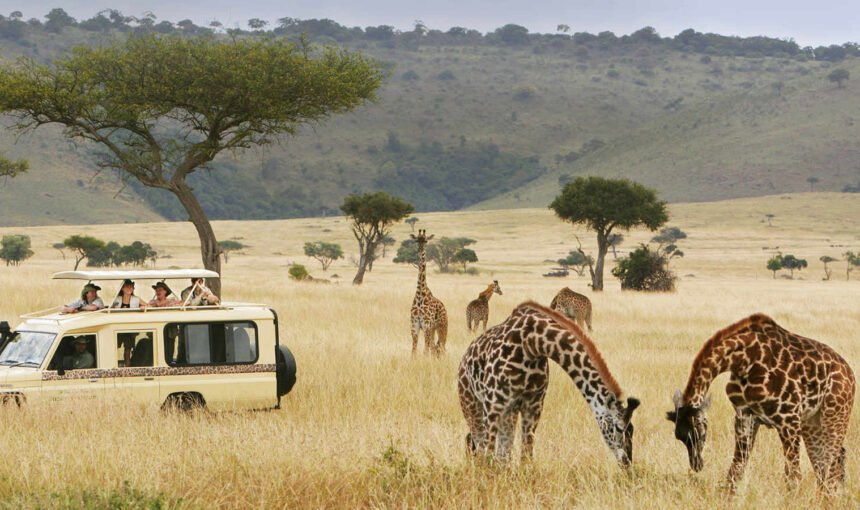
Africa is home to some of the most diverse and awe-inspiring wildlife on Earth. From sweeping savannas and dense rainforests to vast deserts and winding river systems, the continent’s varied landscapes provide habitats for countless species. Exploring African wildlife is not just about spotting iconic animals; it is about understanding ecosystems, conservation efforts, and the delicate balance that sustains life in the wild. Every safari, trek, or wildlife journey offers a deeper appreciation for nature’s beauty and resilience.
One of the most famous experiences in Africa is witnessing the “Big Five”—lion, elephant, leopard, rhinoceros, and buffalo. These animals have long captured the imagination of travelers and wildlife enthusiasts. Lions roam the grasslands in powerful prides, while elephants move gracefully across open plains, shaping their environment as they travel. Leopards, often elusive and solitary, rest in trees or quietly stalk their prey. Rhinos, though critically endangered, remain symbols of conservation efforts across several African countries. Cape buffalo, strong and unpredictable, complete the legendary group and demonstrate the strength of herd behavior in the wild.
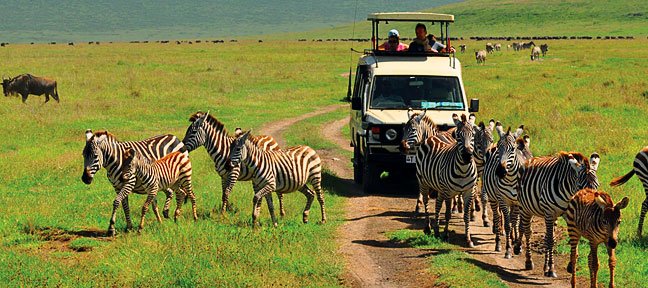
Beyond the Big Five, Africa is rich with countless other species that make each region unique. In East Africa’s Serengeti and Maasai Mara, millions of wildebeest and zebras participate in the Great Migration, one of the world’s most dramatic wildlife spectacles. Herds cross rivers filled with crocodiles, navigate vast plains, and follow seasonal rains in search of fresh grazing. Meanwhile, giraffes stretch toward treetops, antelope graze in open fields, and cheetahs sprint across the landscape in breathtaking displays of speed and agility.
Africa’s birdlife is equally remarkable, with thousands of species filling skies and wetlands. Flamingos gather in massive pink flocks along soda lakes, while majestic eagles soar high above savannas. Colorful kingfishers, hornbills, and bee-eaters add vibrant energy to riverbanks and forests. For birdwatchers, the continent offers endless opportunities to observe rare and beautiful species in their natural habitats.
The continent’s ecosystems vary dramatically from one region to another, each supporting its own wildlife communities. In Central Africa’s rainforests, gorillas and chimpanzees live among thick vegetation, offering unforgettable encounters for those who trek deep into the jungle. Southern Africa’s deserts and semi-arid regions, such as Namibia’s Namib Desert, host animals uniquely adapted to harsh conditions, including desert elephants, oryx, and meerkats. Along Africa’s coastlines and rivers, hippos, crocodiles, dolphins, and diverse marine life create equally fascinating wildlife experiences.
Conservation plays a crucial role in protecting Africa’s wildlife. National parks, reserves, and community-led initiatives work tirelessly to preserve habitats and prevent poaching. Organizations collaborate with local communities to promote sustainable tourism and wildlife protection, ensuring that future generations can continue to enjoy these natural treasures. Travelers who choose responsible tourism practices contribute directly to conservation efforts by supporting eco-friendly lodges, local guides, and educational programs.
Technology is also transforming how researchers and conservationists monitor wildlife populations. Drones, GPS tracking collars, and camera traps allow scientists to study animal behavior, migration patterns, and threats in real time. These tools help authorities respond quickly to environmental challenges and develop effective conservation strategies. Through science and collaboration, many endangered species are receiving increased protection and renewed hope.
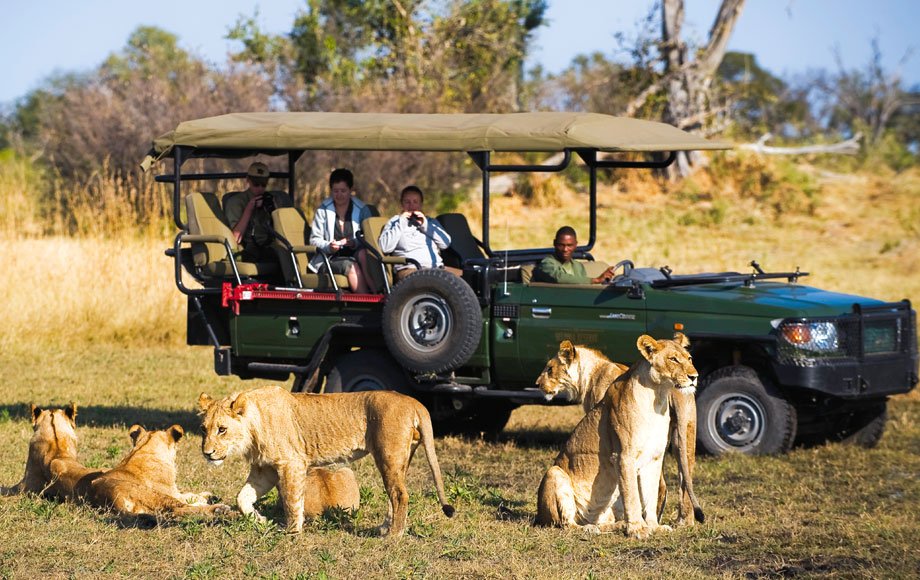
For travelers, exploring African wildlife is more than just a sightseeing adventure; it is an opportunity to connect with nature on a deeper level. Early morning game drives, quiet walks through bushland, and evenings spent listening to distant animal calls create unforgettable memories. Experiencing wildlife in its natural habitat fosters a sense of respect and responsibility for the environment.
Ultimately, Africa’s wildlife represents one of the planet’s greatest natural wonders. The continent’s extraordinary biodiversity, dramatic landscapes, and ongoing conservation efforts make it a destination unlike any other. By exploring responsibly and supporting preservation initiatives, visitors can help protect these incredible ecosystems while experiencing the magic of animals living freely in the wild. Africa’s untamed beauty reminds us of nature’s power, fragility, and the importance of safeguarding the world’s most remarkable creatures for generations to come.





Leave feedback about this