

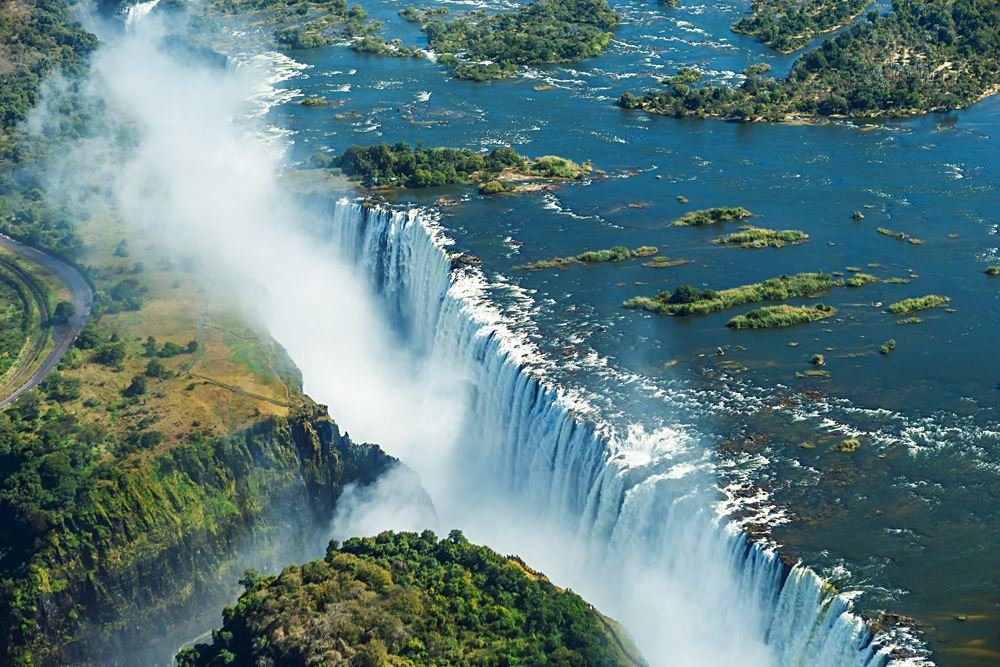
Iceland is often described as a land shaped by fire and ice, but it is water that gives the country its most dramatic voice. Across volcanic plains, glacial valleys, and ancient lava fields, waterfalls crash with a force that feels almost alive. These are not gentle cascades meant only for quiet admiration—they are raw, thunderous, and overwhelming. Icelandic waterfalls are beasts of nature, roaring reminders of the planet’s untamed energy.
A Landscape Built for Power
Iceland’s geography makes it uniquely suited for powerful waterfalls. Vast glaciers cover much of the interior, slowly grinding ice into meltwater that feeds powerful rivers. These rivers surge across uneven volcanic terrain, dropping suddenly over cliffs carved by time and tectonic movement. The result is a network of waterfalls that range from wide and furious to tall and hypnotic, each shaped by both ice and fire.
Unlike waterfalls in forested or tropical regions, Iceland’s falls often stand exposed, framed by stark rock, black sand, and open skies. This openness amplifies their presence—you don’t just see them, you feel them.
Dettifoss: Nature at Full Volume
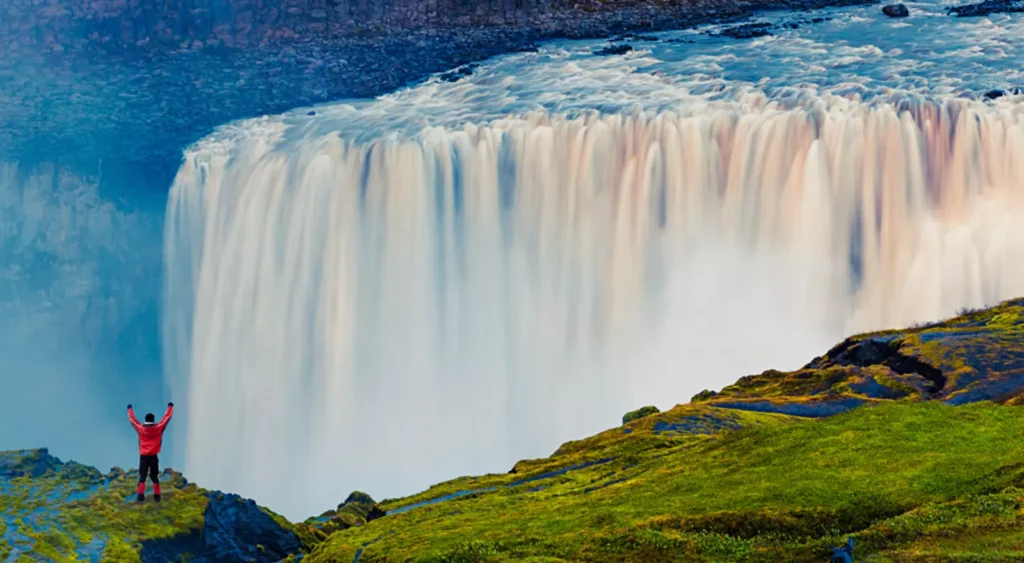
Often called Europe’s most powerful waterfall, Dettifoss is less about beauty in the traditional sense and more about sheer force. Located in northeast Iceland, it sends enormous volumes of glacial water crashing into a canyon with relentless energy. The ground vibrates beneath your feet, and the mist rises like smoke from the earth.
Standing near Dettifoss feels humbling. It strips away any illusion of human control and replaces it with awe. This is nature operating at full capacity, indifferent to who is watching.
Skógafoss: The Roaring Icon
On Iceland’s south coast, Skógafoss combines power with accessibility, making it one of the country’s most iconic waterfalls. Its wide curtain of water drops dramatically from a former coastline cliff, producing a constant roar that echoes across the flat landscape.
On sunny days, rainbows appear in the mist, softening the waterfall’s ferocity with moments of magic. Skógafoss shows how Icelandic waterfalls balance brutality and beauty—never fully one without the other.
Gullfoss: Controlled Chaos
Gullfoss, part of the famous Golden Circle route, feels like controlled chaos. The river Hvítá plunges in two stages into a rugged canyon, disappearing into a churning abyss below. From certain viewpoints, the water seems to vanish into the earth itself.
What makes Gullfoss especially striking is its unpredictability. Depending on the season, it can feel graceful or violently aggressive. In winter, ice clings to the edges; in summer, meltwater amplifies its power. It is a waterfall that changes mood without losing its authority.
Smaller Falls, Same Wild Spirit
Not all of Iceland’s waterfalls are massive, but even the smaller ones carry the same wild spirit. Seljalandsfoss allows visitors to walk behind its falling water, offering an intimate encounter with its force. Hidden waterfalls tucked into narrow canyons or moss-covered cliffs feel secretive, as if they belong more to the land than to tourists.
These lesser-known falls remind travelers that in Iceland, power doesn’t always announce itself loudly—it can also whisper, rush, and echo through solitude.
Waterfalls as Cultural Symbols
Icelandic waterfalls are more than natural attractions; they are woven into the country’s identity. They appear in folklore, photography, music, and storytelling, often symbolizing endurance, freedom, and the uncontrollable forces that shape life on the island.
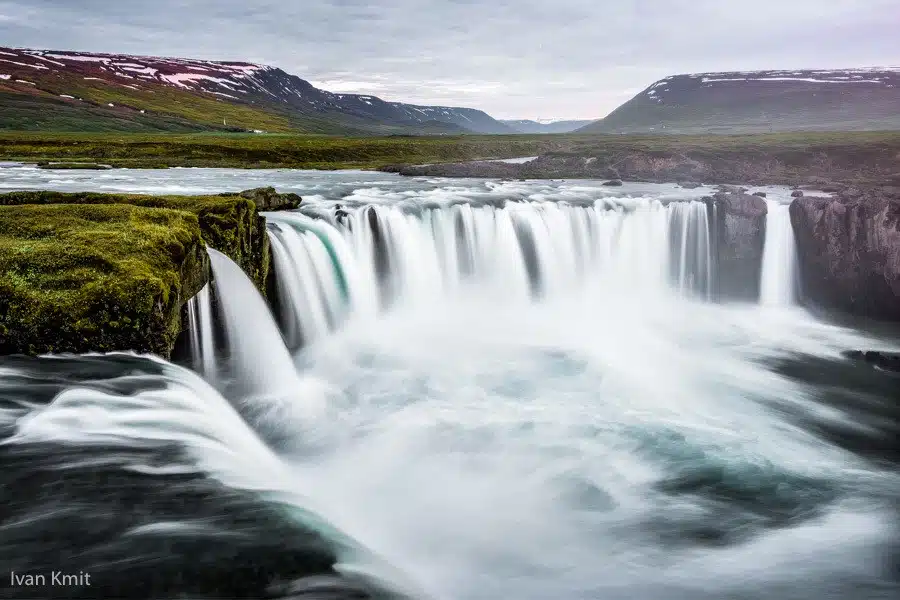
For Icelanders, these waterfalls are not just sights to be admired but constants—ever-present forces that have shaped roads, farms, and history itself.
Facing the Beast
To witness an Icelandic waterfall up close is to confront nature without filters. The spray soaks your clothes, the wind steals your breath, and the noise drowns out everything else. It’s a reminder that some places exist beyond human scale.
In a world increasingly controlled and curated, Iceland’s waterfalls remain defiantly wild. They don’t perform—they roar, crash, and surge on their own terms. And that is what makes them unforgettable.


Leave feedback about this