

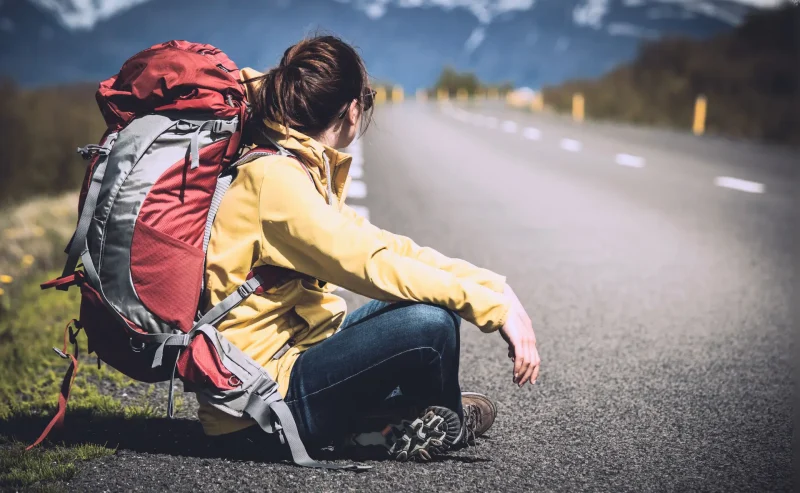
Slow travel is a growing movement that challenges the idea of rushing through destinations to check items off a list. Instead of focusing on how many places can be visited, slow travel emphasizes how deeply a place can be experienced. It is about staying longer, moving less, and forming genuine connections with people, culture, and surroundings.
At the heart of slow travel is the idea of presence. Travelers choose to spend extended time in one destination, allowing routines to develop naturally. Visiting the same café each morning, walking familiar streets, and recognizing local faces creates a sense of belonging. Over time, destinations begin to feel less like tourist spots and more like temporary homes.

Slow travel encourages a shift from sightseeing to living locally. Rather than rushing between attractions, travelers explore neighborhoods, local markets, and community spaces. Simple experiences—shopping for groceries, using public transport, or chatting with shop owners—become meaningful moments of cultural exchange. These everyday interactions often leave stronger impressions than famous landmarks.
One of the major benefits of slow travel is reduced stress. Without packed schedules or constant movement, travelers experience a calmer and more enjoyable journey. There is time to rest, reflect, and adapt to local rhythms. This relaxed pace allows travelers to truly absorb their surroundings instead of feeling overwhelmed or exhausted.
Slow travel is also closely linked to sustainability. Staying longer in one place reduces transportation-related environmental impact and eases pressure on overcrowded tourist destinations. Travelers are more likely to support local businesses, rent local accommodations, and engage in community-based experiences. This approach helps distribute tourism benefits more evenly and responsibly.
Food plays an important role in slow travel experiences. With more time available, travelers can explore regional cuisine deeply—learning where ingredients come from, trying seasonal dishes, or even taking cooking classes. Eating like a local rather than chasing popular food spots leads to richer culinary understanding and appreciation.
Cultural understanding grows naturally through slow travel. Spending time observing daily life reveals cultural nuances that short visits often miss. Travelers begin to understand local customs, communication styles, and social values. This deeper awareness fosters respect and empathy, making travel more meaningful and less superficial.
Slow travel is especially appealing to creatives, remote workers, and those seeking personal growth. With fewer distractions, travelers often find inspiration for writing, photography, or reflection. The slower pace creates space for mindfulness, self-discovery, and renewed creativity. Many travelers return home feeling mentally refreshed and emotionally fulfilled.
Flexibility is a defining feature of slow travel. Plans remain open, allowing spontaneous discoveries and changes. A recommendation from a local, a community event, or a scenic walk can easily become the highlight of the journey. This openness creates authentic experiences that cannot be planned in advance.
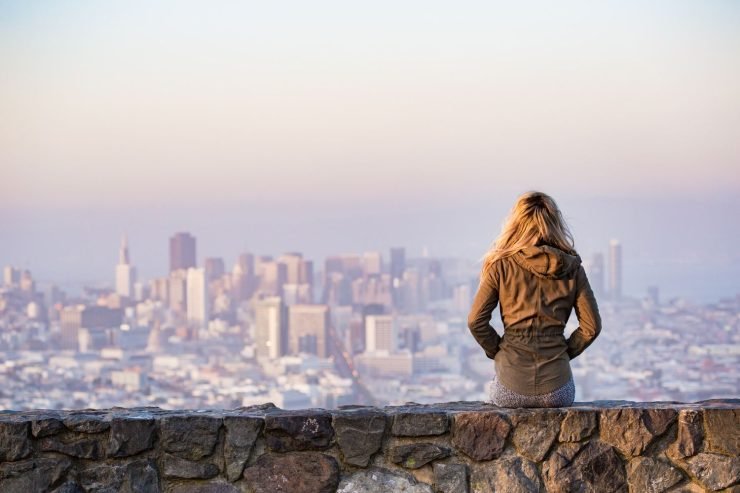
Accommodation choices often reflect the slow travel mindset. Apartments, guesthouses, homestays, and long-term rentals provide comfort and familiarity. These stays allow travelers to integrate into local life rather than remain isolated in tourist-centric spaces. Comfort and simplicity take priority over luxury and excess.
Ultimately, slow travel redefines the purpose of travel itself. It is not about escaping life, but about experiencing life differently. By embracing patience, curiosity, and presence, slow travel transforms journeys into meaningful chapters rather than fleeting moments. In a fast-moving world, slow travel reminds us that the most rewarding experiences often come when we choose to slow down and truly be where we are.



Leave feedback about this