

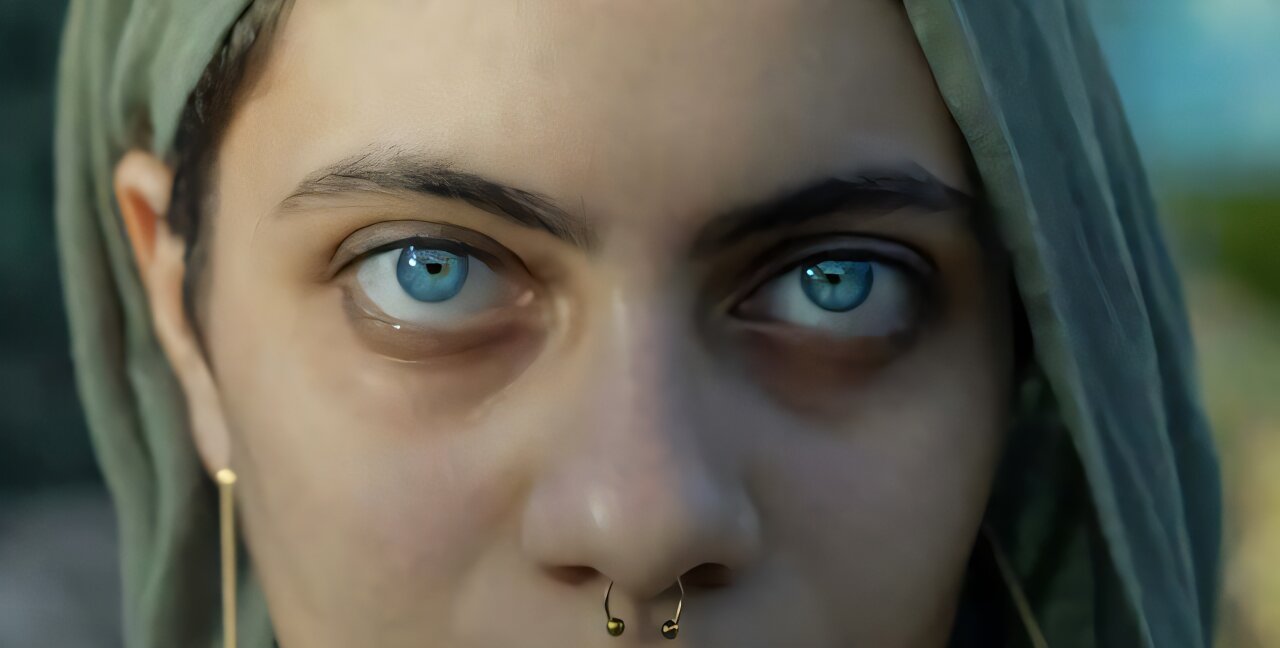
Have you ever wondered why some people have striking blue eyes while others have deep brown, sparkling green, or mysterious hazel? Eye color is one of the most noticeable human traits, but the science behind it is far more complex than most people think. It’s not just about a single gene—it’s about genetics, melanin, and light scattering working together to create the beautiful spectrum of colors we see.
The Role of Melanin
At the core of eye color lies melanin, the same pigment responsible for skin and hair color. Melanin is found in the iris, the colored part of the eye, and its concentration and distribution largely determine eye color:
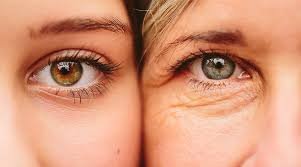
- Brown eyes: High levels of melanin make the iris appear dark brown or nearly black.
- Blue eyes: Very little melanin in the iris means light scatters more, producing a blue appearance.
- Green eyes: Moderate melanin combined with the way light scatters in the iris produces a greenish hue.
- Hazel eyes: A mix of melanin concentration and light scattering gives hazel eyes their shifting tones of brown, green, or gold.
In simple terms, the more melanin present, the darker the eyes; the less melanin, the lighter the color.
Genetics: More Than Just One Gene
For many years, scientists thought a single gene determined eye color. We now know it’s more complicated. Multiple genes work together to influence the amount and type of melanin in the iris.
Two major genes are key players:
- OCA2 gene: Located on chromosome 15, it controls melanin production in the iris. Mutations or variations in this gene can dramatically affect eye color, often leading to lighter eyes.
- HERC2 gene: Also on chromosome 15, this gene acts as a switch for OCA2. A small change in HERC2 can reduce OCA2 activity, resulting in blue instead of brown eyes.
However, scientists have identified at least 16 genes involved in eye color variation, which explains why eye color is not always easy to predict in children. For example, two parents with brown eyes can sometimes have a blue-eyed child if the right genetic combinations align.
The Illusion of Blue Eyes
Interestingly, no one actually has blue pigment in their eyes. The blue appearance comes from the way light scatters in the iris, similar to how the sky looks blue. This phenomenon, called the Tyndall effect, explains why people with very little melanin in their irises appear to have blue eyes.
Hazel and Green: The Rarer Shades
While brown eyes dominate globally—accounting for over 70% of the population—green and hazel are far less common. Green eyes result from a moderate amount of melanin combined with light scattering, making them one of the rarest colors. Hazel eyes, often shifting between brown, gold, and green, are even trickier, as they depend on both melanin distribution and the way light interacts with the iris at different angles.
Why Eye Color Changes Over Time
Eye color can also change. Many babies are born with blue or gray eyes because melanin production hasn’t fully developed. Over the first few years of life, melanin levels increase, often turning blue eyes brown or green. In adults, eye color usually stabilizes, but subtle changes can occur due to age, trauma, or medical conditions.
Evolution and Geography
Eye color also tells a story of human evolution. Dark brown eyes dominate in regions closer to the equator, where high melanin levels protect against intense UV light. In contrast, lighter eyes are more common in Europe, where reduced sunlight made heavy melanin protection less necessary. Some scientists believe lighter eyes may have offered evolutionary advantages in mating preferences, contributing to their spread.
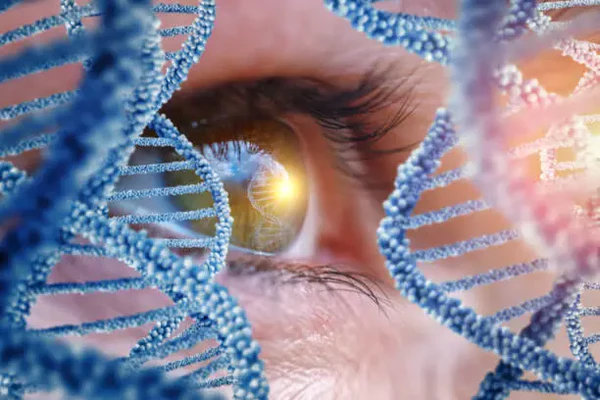
The Fascination with Eye Color
Beyond genetics and biology, eye color continues to captivate human imagination. From being linked to myths and legends to influencing modern beauty standards, eye color is more than just a genetic trait—it’s part of our identity and individuality.
Final Thoughts
Eye color is a stunning example of how science, genetics, and nature intertwine to create human diversity. Whether your eyes are brown, blue, green, or hazel, they are the product of complex genetic coding and light physics working together in harmony.
The next time you look in the mirror, remember: your eye color isn’t just about beauty—it’s about biology, ancestry, and evolution coming together to tell your story.






Leave feedback about this