


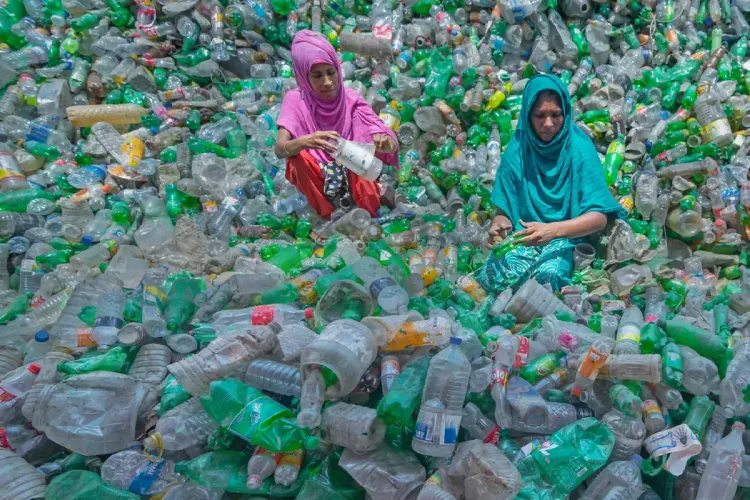
To tackle the global plastic pollution crisis, researchers at Shiv Nadar University have pioneered an innovative solution by developing sustainable polymers derived from industrial waste.
Professor Bimlesh Lochab and Dr. Sangeeta Sahu from the Department of Chemistry have introduced a groundbreaking category of waste-derived polymers with the ambitious goal of achieving carbon neutrality.
Utilizing elemental sulfur from petroleum refining industries and cardanol sourced from cashew nut industry waste, these polymers provide a sustainable alternative to traditional petrochemical-based plastics.
Remarkably, their synthesis involves minimal technical complexity, facilitating easier adoption across various industries.
The findings have been published in the ACS Journal.
The team described these polymers as belonging to the emerging category of vitrimers, known for their capability to be reshaped and reused indefinitely, much like the regenerative properties observed in human skin.
They demonstrate the ability to self-heal when exposed to specific temperatures, mimicking temperature-responsive wound healing processes.
Following the tenets of green chemistry, the research team foresees a broad spectrum of applications for these polymers derived from waste, such as flexible coatings, durable adhesives, and fire-resistant materials for battery technology.
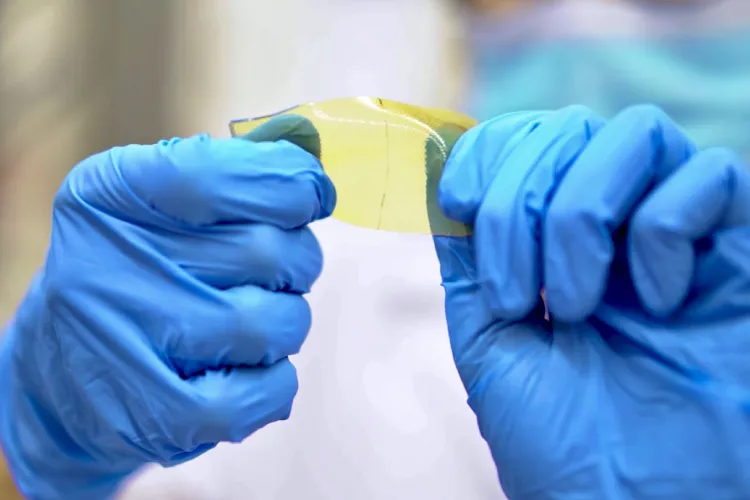
The key characteristics of the developed cardanol benzoxazine-sulfur polymer—Recycling, Reprocessing, Self-Healing, and Shape Recovery (R2S2)—highlight its versatility and potential to revolutionize various industries.
The polymer’s rebondable adhesive properties, impressive load-bearing capacity, and ability to recover shape highlight its revolutionary potential in addressing sustainability challenges. Dr. Bimlesh Lochab noted, “The material shows outstanding adhesion to metal surfaces such as aluminium-aluminium, steel-steel, and aluminium-steel hybrid substrates, demonstrating remarkable strength.”
After applying and using the adhesive on these metal substrates, they can be removed undamaged, thereby minimizing waste and increasing their potential for reuse.
Embracing Innovation Toward a Sustainable Future

Professor Lochab emphasized the importance of embracing innovation and rethinking conventional approaches to address the changing needs of society. Through investing in sustainable solutions and promoting collaboration among academia, industry, and policymakers, we can pave the way towards a more robust and environmentally friendly future.






Leave feedback about this